Editor's Review
The Ministry of Health has confirmed one additional Ebola case in Kenya, bringing the total number of confirmed cases to nine, including the first patient who died from the disease.
The Ministry of Health has confirmed one additional Ebola case in Kenya, bringing the total number of confirmed cases to nine, including the first patient who died from the disease.
In a statement on Tuesday, October 20, the Ministry said the latest case involves a 24-year-old man who is a close family member of the index case.
It said the patient was already in quarantine when he developed symptoms and was immediately isolated, tested and placed on treatment following confirmation of the infection.
"The new case is a known contact of the index case and was already in quarantine when he fell ill. All nine cases belong to one cluster, and as today there is no evidence of transmission outside this group," the statement read.
The Ministry of Health confirmed that the ninth case was identified on October 19, 2026, and that the patient received prompt medical attention after developing symptoms.
Read More
"The ninth case, a 24-year-old man is also a close family member of the first case, was confirmed on 19th October. He was isolated at the first sign of illness, tested and started on treatment immediately upon confirmation of his positive test result," the statement added.
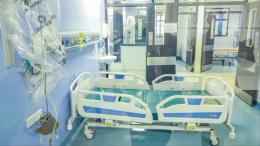
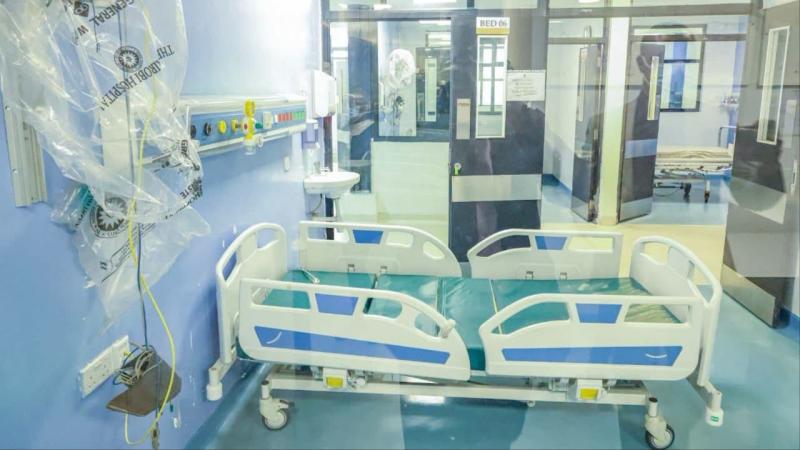
The Ministry said the eight surviving patients are responding well to treatment and remain under close medical supervision.
It added that the patients have shown significant improvement and are currently stable.
"Our patients are improving and responding well to treatment. All eight (8) patients are receiving appropriate supportive care from our dedicated clinical teams. All the patients have improved markedly and are currently stable under strict observation and treatment," the statement further read.
At the same time, the Ministry of Health said it had received 500 doses of medicines to support the treatment of all confirmed cases.
It also reported progress in contact tracing, noting that the number of contacts being monitored continues to rise as new cases are confirmed and additional contacts are identified.
"Contact tracing continues to widen. As each new case is confirmed, their contacts are added to the tracing list, and this explains the growing number of contacts," the statement noted.

According to the Ministry, as of October 20, 134 out of 135 identified contacts, representing 99.3 per cent, had been traced and placed in quarantine.
To strengthen preparedness, the government has distributed medical supplies to 12 very high-risk counties and 16 high-risk counties.
The supplies include personal protective equipment such as gowns, gloves, face shields and boots, as well as sample collection and transport kits, diagnostic kits and thermometers.
Despite the rising number of confirmed cases, the Ministry maintained that Kenya remains open to normal activities, with no restrictions imposed on travel, trade or public gatherings.
"Kenya remains open, with no restrictions on travel, trade or public gatherings. We ask every Kenyan to keep following the guidance of the Ministry of Health and to cooperate fully with the response," the statement affirmed.
The Ministry also announced that contacts who entered quarantine on October 6 and remain free of symptoms are expected to complete their 21-day monitoring period and begin returning home from the weekend of October 25.
"Contacts who entered quarantine on 6th of October and remain well will complete their 21-day monitoring period and begin returning home from this coming weekend, 25th October, having successfully completed quarantine.
"We thank them and their families for their patience, their patriotism and their contribution to protecting not only their families and communities, but also the nation and the wider world," the statement concluded.
Elsewhere, the United States has increased its travel advisory for Kenya from Level 2 to Level 3.
In a statement on Tuesday, October 20, the department urged American citizens to reconsider traveling to Kenya, citing health risks, crime, kidnapping, terrorism, unrest, and traffic safety
"Reconsider travel to Kenya due to risk of health, crime, kidnapping, terrorism, unrest, and traffic safety. Some areas have increased risk," the statement read.
The US Department of State cautioned US citizens against traveling to Eastleigh and Kibera due to the risk of crime and kidnapping.
It also advised American nationals not to travel to Garissa, Wajir, Mandera, Lamu, Tana River, or coastal areas north of Malindi due to the risk of kidnapping and terrorism.
The department listed West Pokot County and Western Turkana as other areas with crime risk in Kenya.
"Do not travel to Marsabit and Turkana Counties within 30 miles (50 kilometers) of the border with Ethiopia due to risk of unrest," the department added.
The US Department of State also highlighted Ebola cases in Kenya, noting that the US Centers for Disease Control and Prevention (CDC) had already issued an advisory.
The department further mentioned that medical services in Kenya are limited and medical facilities often lack sufficient medicine and equipment.