Editor's Review
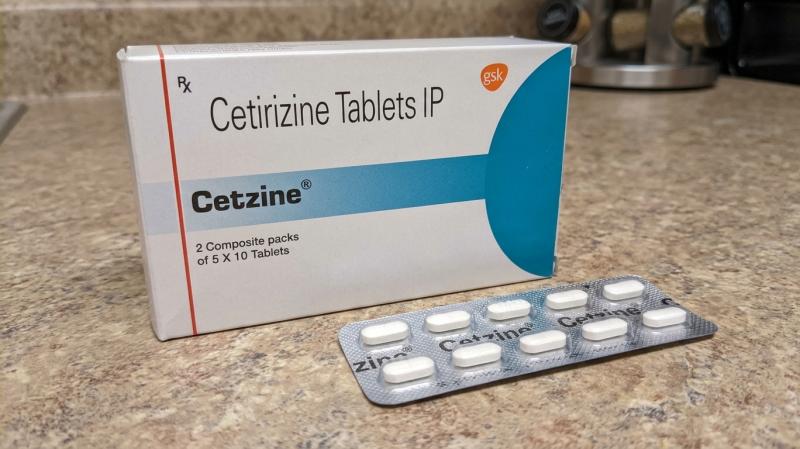
Pharmaceutical Society of Kenya (PSK) explained that cetirizine was an antihistamine designed to treat allergic reactions and was intended to be taken orally.
The Pharmaceutical Society of Kenya (PSK) has warned members of the public against using cetirizine tablets for vaginal tightening.
This follows the circulation of social media claims promoting the insertion of the allergy medication into the vagina.
Join our WhatsApp Channel for the latest news updates.
In a statement on Thursday, November 5, the professional body expressed concern over the growing misinformation surrounding the medicine, cautioning that the practice was medically inappropriate and could expose users to health complications.
"The Pharmaceutical Society of Kenya (PSK) has noted with concern recent discussions circulating on social media promoting the use of cetirizine, a commonly used antihistamine, for purported vaginal tightening, including claims encouraging the insertion of cetirizine tablets into the vagina.
Read More
"As the professional body representing pharmacists in Kenya, PSK wishes to clarify the appropriate use of cetirizine, address misinformation surrounding these claims, and remind the public of the importance of using medicines safely and for clinically appropriate purposes," the statement read.
PSK explained that cetirizine was an antihistamine designed to treat allergic reactions and was intended to be taken orally.
The medicine works by blocking histamine, a substance responsible for allergic symptoms such as sneezing, a runny nose, itchy eyes and skin reactions, including hives.
PSK emphasised that cetirizine had not been approved or tested for vaginal use or any other purpose outside its intended medical application.
It further dismissed the assumption that vaginal dryness could produce tightening, explaining that although antihistamines could cause dryness as a side effect, reduced lubrication did not strengthen vaginal muscles or change vaginal anatomy.
According to PSK, the practice could instead increase friction, discomfort and the possibility of tissue injury, making the purported benefits medically unfounded.
The society also warned against inserting oral cetirizine tablets into the vagina, noting that the medicines were formulated for swallowing and their ingredients had not been tested for use on delicate vaginal tissues.
PSK cautioned that the widespread availability of cetirizine should not be mistaken for an assurance that the medicine was harmless or suitable for every purpose.
It advised patients to take the medication strictly according to the instructions on its packaging or the guidance provided by a registered pharmacist or medical doctor.
The professional body also raised concerns about the growing reliance on social media for medical information, warning that the rapid spread of unverified health claims could expose members of the public to unnecessary risks.
Addressing individuals who might have already attempted the practice, PSK urged them to discontinue it and seek medical attention if they experienced complications.
"If you have already tried it. Stop. See a doctor if you have pain, bleeding, burning, itching, unusual discharge, or fever. Your health matters, and you will be treated with respect and without judgement," the statement added.
Beyond the health concerns, the society revealed that it had received reports of increased demand for cetirizine, price increases and stock shortages in some pharmaceutical outlets, raising concerns about access for patients who genuinely require the medicine to manage allergies.
"PSK is aware of reports of increased demand, price rises and stock shortages in some outlets. We urge pharmacies to keep to ethical pricing and to ensure that patients who genuinely need cetirizine for allergies are not left without their medicine.
"Members of the public should buy medicines only from premises licensed by the Pharmacy and Poisons Board (PPB), where a registered pharmacist is present," the statement further read.
This comes months after PSK raised concerns following the circulation of a viral video showing former Deputy President Rigathi Gachagua purchasing medicine at a pharmacy.
In a statement on Thursday, February 26, PSK said capturing footage of patients in such settings without their approval undermines healthcare ethics and confidentiality.
"The Pharmaceutical Society of Kenya (PSK) wishes to state clearly and unequivocally that recording any client within a pharmacy setting without consent constitutes a serious breach of privacy and healthcare confidentiality," the statement read.
PSK noted that pharmacies are not ordinary retail spaces but healthcare environments where clients are entitled to respect and protection of their personal information.
"Pharmacies are healthcare environments, and every individual seeking medicines or professional advice is entitled to dignity, discretion, and protection of their personal health information," the statement added.
The society reaffirmed to the public that regardless of their public standing, they are entitled to confidential healthcare services.
"Regardless of public profile or status, every Kenyan has the right to confidential healthcare. We therefore extend our regret over the apparent breach of privacy that has occurred," the statement concluded.