
Editor's Review
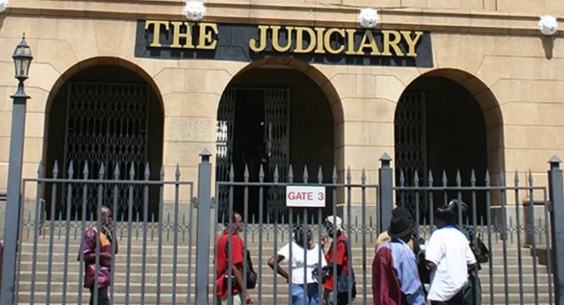
The High Court has affirmed the jurisdiction of the Copyright Tribunal to hear and determine disputes relating to copyright infringement and fair compensation.
The High Court has affirmed the jurisdiction of the Copyright Tribunal to hear and determine disputes relating to copyright infringement and fair compensation.
In a statement on Thursday, November 12, the Judiciary said the High Court upheld the tribunal’s statutory authority under the Copyright Act, Cap. 130, Laws of Kenya.
Join our WhatsApp Channel for the latest news updates.
According to the Judiciary, the ruling arose from judicial review proceedings instituted by legal representatives of US-based record companies and associated individuals, including Black Market Records LLC.
"The ruling arose from judicial review proceedings instituted by legal representatives of US-based record companies and associated individuals, including Black Market Records LLC, challenging the Copyright Tribunal's earlier decision affirming its jurisdiction over disputes involving Kenyan musicians and the record labels," the statement read.
Read More
In its determination, the High Court upheld the tribunal's authority to hear and determine copyright-related disputes, reinforcing the legal framework governing the protection and enforcement of intellectual property rights in Kenya.
"In its determination, the High Court upheld the Copyright Tribunal's jurisdiction, reinforcing its statutory mandate under the Copyright Act, Cap. 130, Laws of Kenya," the statement added.

The Judiciary said the decision is expected to strengthen access to justice for individuals and organisations involved in the creative industry.
"The decision marks an important milestone in strengthening access to justice for copyright owners, performers and other rights holders, particularly in disputes concerning the ownership, exploitation and commercialisation of creative works," the statement concluded.
Meanwhile, the High Court has cleared the way for refugees to access formal employment in Kenya, affirming their right to apply for and obtain work permits through the existing Class M work permit framework.
In a statement on Thursday, November 12, the Kenya National Commission on Human Rights (KNCHR) said the High Court at Milimani ruled against policies and administrative practices that created barriers to refugees seeking formal employment.
"The Court declared unconstitutional policies and administrative practices that create barriers to refugees’ access to work permits, finding that they amount to indirect discrimination and violate the constitutional right to human dignity," the statement read.
Following the ruling, the court directed the State Department of Immigration to review its existing policies and procedures governing work permit applications by refugees.
"The Court directed the State Department of Immigration to review and reform its policies, procedures and administrative practices governing Class M work permit applications by refugees," the statement added.
According to KNCHR, the reforms are expected to address administrative obstacles that have prevented refugees from accessing employment opportunities and participating in Kenya's formal labour market.
"These reforms are intended to establish a fair, transparent, accessible and accountable system, ensuring that refugees are not subjected to discriminatory administrative barriers that deny them opportunities to participate meaningfully in Kenya’s formal labour market," the statement further read.

-1794491155-md.jpg)




-1794491155-sm.jpg)