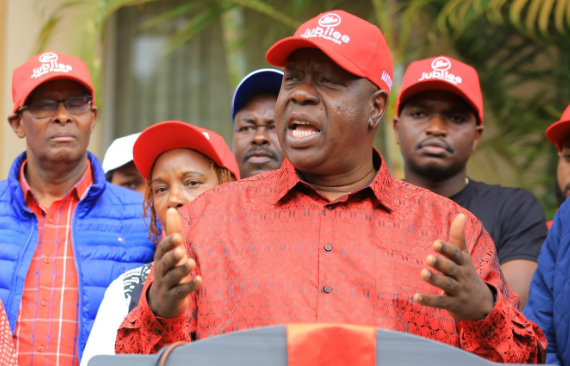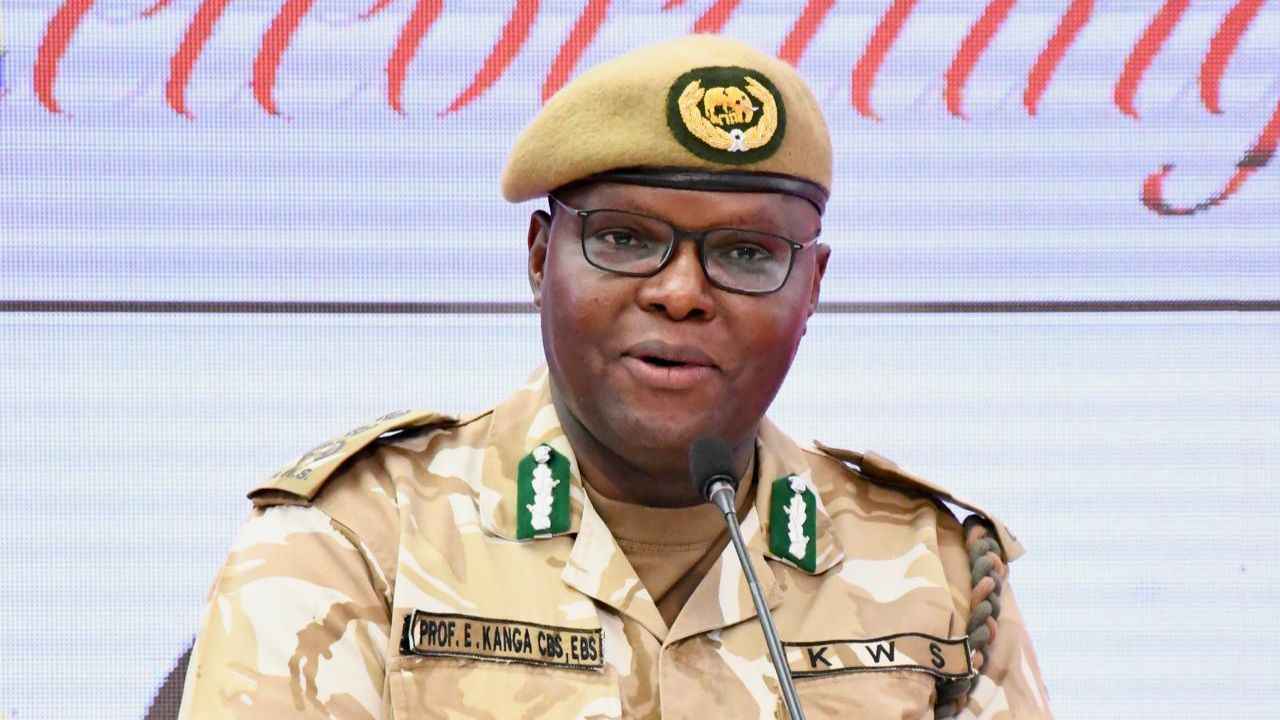
The government has announced that compensation payments to victims affected by demonstrations and public protests could begin within a week.
Speaking on Monday, June 15, Panel of Experts on Compensation of Victims of Demonstrations and Public Protests Chairperson Makau Mutua said the verification of beneficiaries was at an advanced stage.
"The panel is now subjecting all of these names to verification assisted by its AI integrated case management system and will be in a position your excellency to begin making payments in a short time as a week from today," he said.
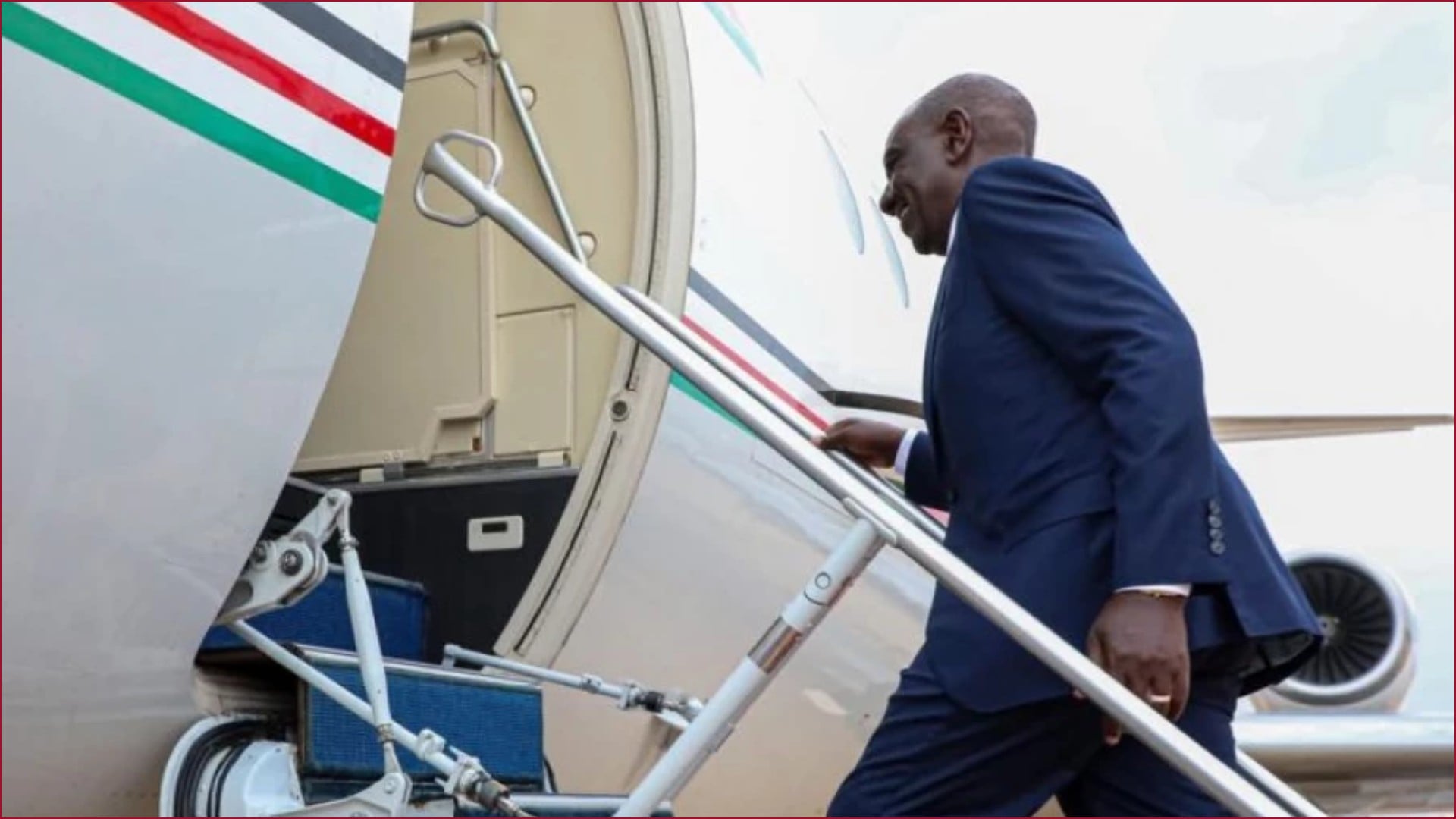
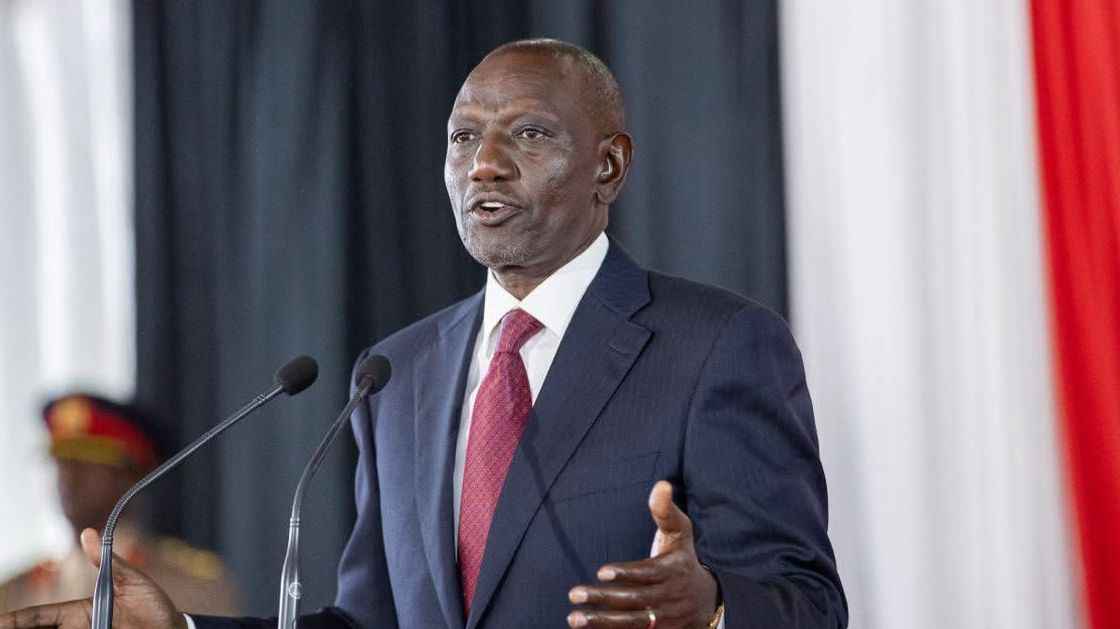
President William Ruto said the government had set aside Ksh2 billion to compensate individuals and groups who suffered losses or injuries during protests.
"We have allocated Ksh2 billion towards compensation and reparation for those who have suffered verified harm arising from protests, injured citizens, affected families, businesses lost and law enforcement officers injured in the course of their duties," he stated.
Read More
Ruto said the compensation initiative was intended to help the country move forward from a difficult period marked by loss and violations of rights.
"This marks the end of a painful chapter in our national life. There have been instances where the response to public demonstrations has resulted in excessive use of force, violation of rights and loss of life," he added.

Ruto noted that the payments should not be interpreted as placing a value on human life or condoning unlawful actions during demonstrations.
"These payments are not the price of life, pain or loss and neither are they a reward for violence, looting or unlawful conduct. This is the state’s acknowledgement that harm occurred, victims matter and that a nation heals by tending to its wounds rather than pretending they do it exists," he further said.
Meanwhile, Chief Justice Martha Koome raised concerns about the role of politics in violent demonstrations, noting that protests linked to political interests often end in unrest.
"Protests that have political connotation are the only ones that end up being violent. Politicians in this country are not many but how can they make our lives unbearable during protests?" she asked.
This comes months after Kenya National Commission on Human Rights (KNCHR) announced it has compiled a list of 1,224 victims of human rights violations for compensation.
In a statement on Wednesday, April 1, KNCHR said the list is currently undergoing verification to meet the eligibility criteria before it is submitted to President William Ruto.
"The commission has simultaneously been compiling a list of victims of human rights violations, which, upon verification, will be submitted to the President together with the Reparations Framework.
"So far, the Commission has compiled a list of one thousand, two hundred and twenty-four (1,224) victims of human rights violations, which is undergoing verification in line with the eligibility criteria," read the statement.
The commission noted that the list encompasses various categories of gross human rights violations, including extrajudicial killings, torture, abductions, and enforced disappearances.
Others are evictions, sexual and gender-based violence, loss of property, and loss of livelihoods.
KNCHR further called on victims of human rights violations, including those affected during protests who have not yet registered with the Commission, to come forward and submit supporting documents for verification by April 3, 2026.
"The Commission shall remain open on Friday, 3rd April, despite being a public holiday to give room to Kenyans who may want to present their reports at its Head Office or Regional Offices," KNCHR stated.