Editor's Review
Larry Madowo's presence at Charlene Ruto's engagement ceremony did not please some quarters on the internet.
Kenyan-born CNN international correspondent Larry Madowo has taken on his detractors unhappy with his presence at the traditional engagement ceremony of Charlene Ruto, President William Ruto's daughter.
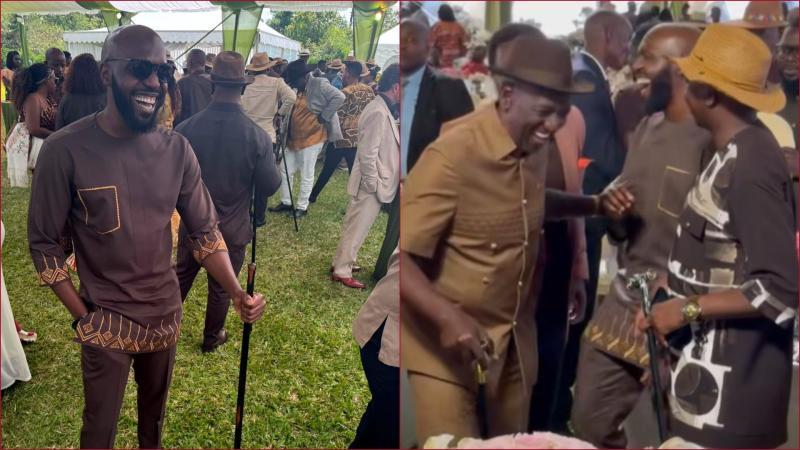
Saturday, August 8, at the president's home in Kilgoris, Narok County, it was a beehive of activities as it hosted high-profile guests who showed up to witness the betrothal of Charlene to her lover Isaya Yunge, a Tanzanian techprenuer.
Larry was unexpectedly among the attendees of the event.
He was spotted having light moments with the president and First Lady Rachel Ruto, and other guests at the ceremony.
The journalist's presence at the event did not sit well with some quarters, who took to social media to lament.
Read More
They suggested that having been at the forefront as a journalist covering the supposed excesses and maladministration of the current regime under Ruto, Larry should not have accepted the invitation to be at the president's event.

His name was among the trending topics on the Kenyan X network, with his critics arguing he betrayed them.
"I will never trust Larry Madowo again in my life! I feel used and betrayed," said Thirsty Kiptowet.
"Larry Madowo is laughing with our oppressors. It's your own people!" said Gitz.
"Why did Larry Madowo attend that Charlene Ruto event? Worse still, he was begging for attention from Ruto and Rachel?" posed Nahashon Kimemia.
"Larry Madowo has really disappointed us," said Kirwa.
Seeming to dismiss the criticism, Larry invited the critics to cancel him.
"Cancel Larry Madowo," he posted on his social media platforms.
In the face of the reactions, it emerged that Larry was at the event perhaps at the invitation of Yunge, a close friend.
The duo's friendship dates back.
Larry would be the latest victim of Kenya's cancel culture, which has lately revolved around political dynamics.
Public figures seeming to interact with the president and his associates are disapproved of by the section of the public that is not in favour with the regime.
Those against the regime argue that the president has mismanaged the country, run down the economy, and overseen maladministration, extending the animosity to those who associate with the head of state.
Journalists who have provided a platform to the regime and its apologists, and artists who have performed in state events, have suffered the same fate.
-1791630166-md.jpg)




-1791630166-sm.jpg)