
Editor's Review
Sakaja disclosed that the machine can produce up to 2,000 chapatis every hour.
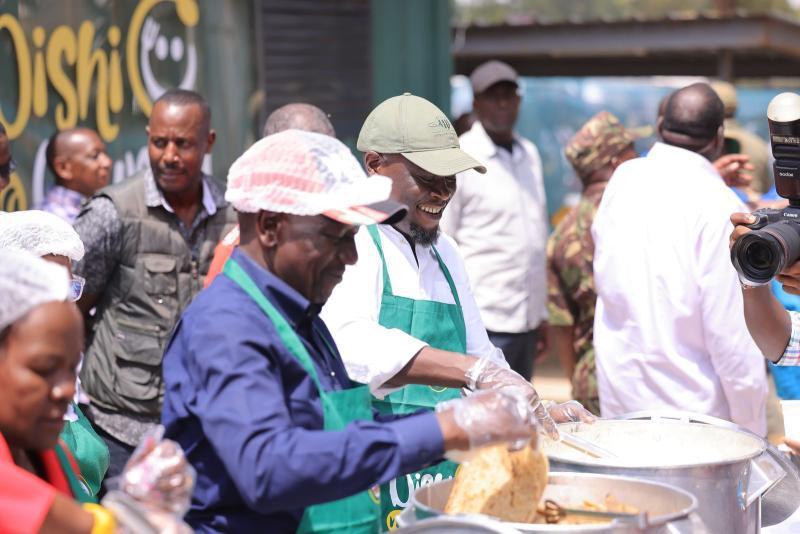
On Thursday, August 26, Nairobi Governor Johnson Sakaja delivered the county's first chapati-making machine under the Dishi na County School feeding programme.
Sakaja confirmed that the machine was installed in the Toi Primary School kitchen and that chapatis will now be added to the feeding programme menu.
He disclosed that the machine can produce up to 2,000 chapatis every hour, which will be distributed to schools across Nairobi County.
"Installed at the Toi Primary Kitchen, the machine can produce up to 2,000 chapatis per hour. The chapatis will be distributed to schools on a coordinated schedule aligned to the programme’s feeding calendar, ensuring learners across the county get their designated chapati days," the statement read in part.
Governor Sakaja said the arrival of the machine was another commitment fulfilled as the county continues to improve the quality and variety of meals offered through Dishi na County.
Read More

“We don’t do politics with the lives of the people that we serve. We don’t promise to be heard; we promise to deliver. We have been able to secure the machine, and it is up and running,” he said.
Angela Muchai, the Manager at Toi Primary Kitchen, stated that the learners were enthusiastic about chapatis being added to their meals
On her part, Nairobi County Executive Committee Member for Health and Nutrition Suzanne Silantoi said the new machine reflects the programme’s continued growth and the county’s efforts to improve the experience for learners.
Sakaja confirmed that more than 324,000 learners are currently benefiting from the programme. He added that there is a timetable in place for each school to have its day to eat chapati
Sakaja said that so far, Dishi na County has served more than 85 million hot, nutritious meals, and the county is targeting to achieve its 100 million-meal milestone.
He lauded his team for ensuring the realisation of the school feeding programme amid scepticism, political opposition and litigation challenges.
“It is a dream come true. We have moved from a situation where one in every four pupils could miss school because of lack of food to now feeding more than 324,000 learners. Some children even carry food home,” the Governor said.
Under the programme, learners receive a subsidised hot meal for Ksh5, easing the burden on families while helping ensure hunger does not keep children out of the classroom.
So far, 230 public schools across 17 sub-counties in Nairobi are enrolled on the programme. The Governor hinted at plans to expand it to public day secondary schools and schools in informal settlements



 (4)-1775460608-md.jpg)



 (4)-1775460608-sm.jpg)