Editor's Review
The state seeks more funding for the Inua Jamii programme to have more beneficiaries on board.
The government has outlined plans to strengthen the Inua Jamii cash transfer programme by widening its funding base.
The state is targeting an eventual increase in the Ksh2,000 monthly stipend currently paid to elderly citizens and persons with severe disabilities.
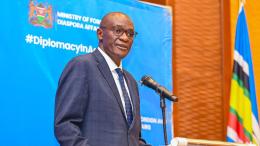
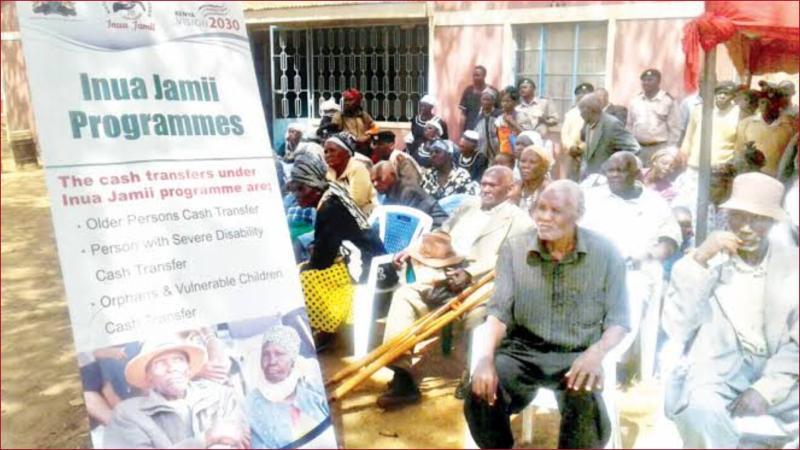
Speaking at an elders' event in Kajiado, Joseph Motari, Principal Secretary for the State Department for Social Protection and Senior Citizens Affairs in the Ministry of Labour, said the government was working to bring in additional resources from development partners to grow the fund.
"We have decided to regularise this fund so that we can get more money to it through World Bank and other well wishers. We will ensure the kitty has enough money so that we can increase the monthly stipends for beneficiaries. Everywhere we go the beneficiaries ask us when the amounts will be increased," Motari said.
Inua Jamii has for years supported elderly citizens and persons with severe disabilities across the country, helping beneficiaries meet basic needs, support their families and, in some cases, build small businesses.
Read More
The programme has recently undergone significant reform.

Legislation enacted last year anchored Inua Jamii in law and established both the National Board for Social Protection and the Social Protection Fund, creating a structured framework that allows funding to be mobilised beyond government resources alone.
It is this new framework that officials say now paves the way for partners such as the World Bank, donors and well-wishers to contribute to the kitty, with the aim of making payments higher and more reliable in future.
Beneficiaries across the country say the stipend has already made a tangible difference in their lives, even as many push for an increase.
In Machakos, 32-year-old Janet Mwalimu, who uses a wheelchair and relies on a caregiver for her daily needs, used part of her Inua Jamii support alongside a loan to open a small shop selling clothes and beauty products, after struggling to secure formal employment. She says the programme has given her a sense of purpose and changed her life.
In Lungalunga, 76-year-old Alice Mwangi used her first payment to start a roadside business, which she has grown gradually by reinvesting part of her monthly stipend.
In Kibera, 83-year-old Emily Chepkurui depends on the stipend while raising her orphaned grandchildren, supplementing it by selling traditional vegetables when she can.
For 82-year-old livestock farmer Godfrey Waweru in Suswa, reforms to how beneficiaries receive their payments have also improved personal safety.
He recalled the risks elderly beneficiaries previously faced while travelling to collect their cash in person, noting that the shift to mobile money has made access considerably safer and more convenient.
Jacqueline Mwinyiva, a mother and primary caregiver to a child living with cerebral palsy, says the stipend helps her cover daily needs, including food and medicine.
She is among the beneficiaries calling for the amount to be increased, so that families like hers can meet more of their essential expenses and strengthen their livelihoods.
As Inua Jamii continues to support millions of vulnerable Kenyans, the government's focus is now on strengthening the fund, improving the level of support given to beneficiaries, and ensuring that those yet to be onboarded are brought into the programme as soon as possible.