Editor's Review
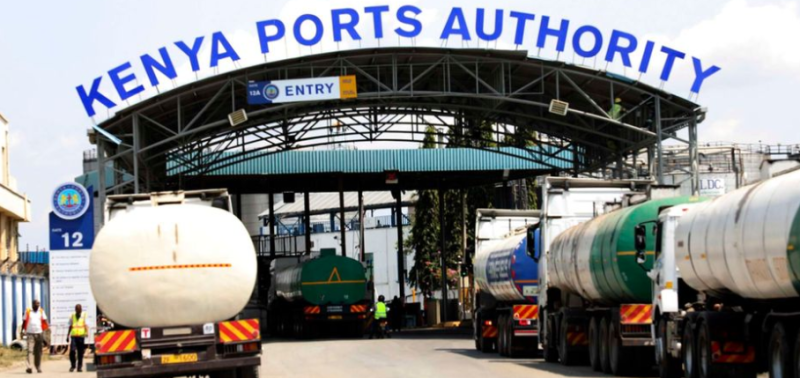
The Kenya Ports Authority (KPA) has come under scrutiny over the cost of an ongoing 1.8-kilometre road project inside the Port of Mombasa.
The Kenya Ports Authority (KPA) has come under scrutiny from the National Assembly’s Departmental Committee on Transport and Infrastructure over the cost of an ongoing 1.8-kilometre road project inside the Port of Mombasa.
The project, estimated at Ksh8.3 billion, came under focus on Tuesday, September 22, when the committee, led by Ndia MP George Kariuki, inspected KPA headquarters and various port facilities in Mombasa County.
The inspection was aimed at assessing port operations and identifying challenges requiring intervention by Parliament.
KPA Acting Managing Director Fredrick Oyugi and Chief Engineer Nyaga, who is overseeing the port expansion project, were asked to explain how the road project arrived at the Ksh8.3 billion cost.
Kariuki questioned the procurement process and sought details on the materials and contractors involved in the project.
Read More
"This question has been in the media. Yes, you handle heavy cargo, but the figure is suspicious. We want to know what special materials are being used on this road; we want to see the advertisement, how many contractors showed interest and who was awarded the contract," he said.
Kariuki said the committee was concerned about the use of public resources and indicated that it would seek an audit of the project to establish whether the expenditure was justified.
"We have seen wastage of public resources in this country, and that is part of the reason we are here. You are spending Sh8 billion on a 1.8-kilometre road while our youth are suffering out there - it is unacceptable. As a Committee, we will be asking for a special audit of this road to establish the facts," he added.

Oyugi and his team committed to providing the committee with a detailed response, including documents relating to the project and the issues raised during the inspection.
The KPA officials explained that the road was not an isolated undertaking but formed part of the authority’s wider master plan for the port.
"Honourable Members, we have had other priority areas despite receiving allocations since 2018. This road is part of our priorities; designs were done with the aim of averting accidents arising from port operations and human traffic. The road links Terminal One and Two from our gates," they said.
The officials further told the committee that changing global developments had contributed to increased demand for the Port of Mombasa, creating a need for additional infrastructure to support growing operations.
This comes days after the Senate Standing Committee on Health raised concern over the reported expiry of medicines valued at approximately Ksh1 billion, according to a report by the Kenya Medical Supplies Authority (KEMSA).
The issue emerged on Thursday, September 17, during a meeting between the Committee and the Chief Executive Officer of the Pharmacy and Poisons Board (PPB), Ahmed Mohamed.
The session, chaired by Uasin Gishu Senator Jackson Mandago, focused on the implementation of resolutions reached by the Senate following the Committee’s County Oversight and Networking Engagements.
Ahmed outlined several measures being undertaken by the Board, including strengthening regulatory frameworks, conducting risk-based inspections and improving the management of pharmaceutical waste.
The interventions also include digital transformation, enhanced licensing systems and mandatory Continuing Professional Development (CPD) for pharmacy professionals.
According to Ahmed, the measures are designed to improve accountability throughout the pharmaceutical supply chain while ensuring that pharmaceutical services remain safe, accessible and of the required quality in support of Universal Health Coverage.
However, Senators raised concerns over the reported loss of medicines worth approximately Ksh1 billion through expiry, with the Committee noting the implications of such wastage on both healthcare access and the use of public funds.
The Committee called on the PPB to tighten its oversight mechanisms to prevent medicines from expiring while stored in public health facilities.