Editor's Review
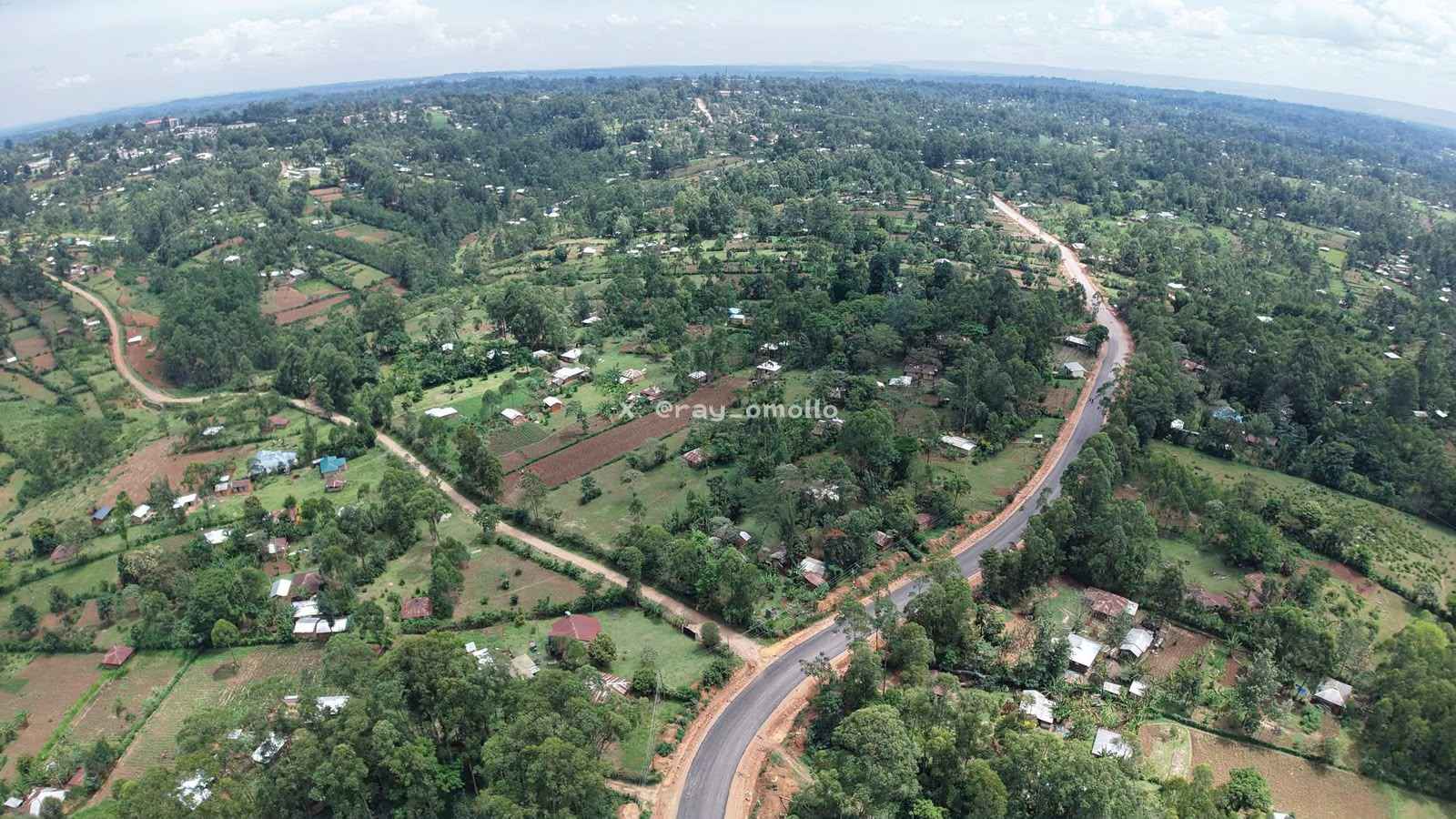
The upgrading of the 33-kilometre Shamakhokho-Kaimosi-Mpaka-Museno Road to bitumen standard has entered the tarmacing stage.
The upgrading of the 33-kilometre Shamakhokho-Kaimosi-Mpaka-Museno Road to bitumen standard has entered the tarmacing stage.
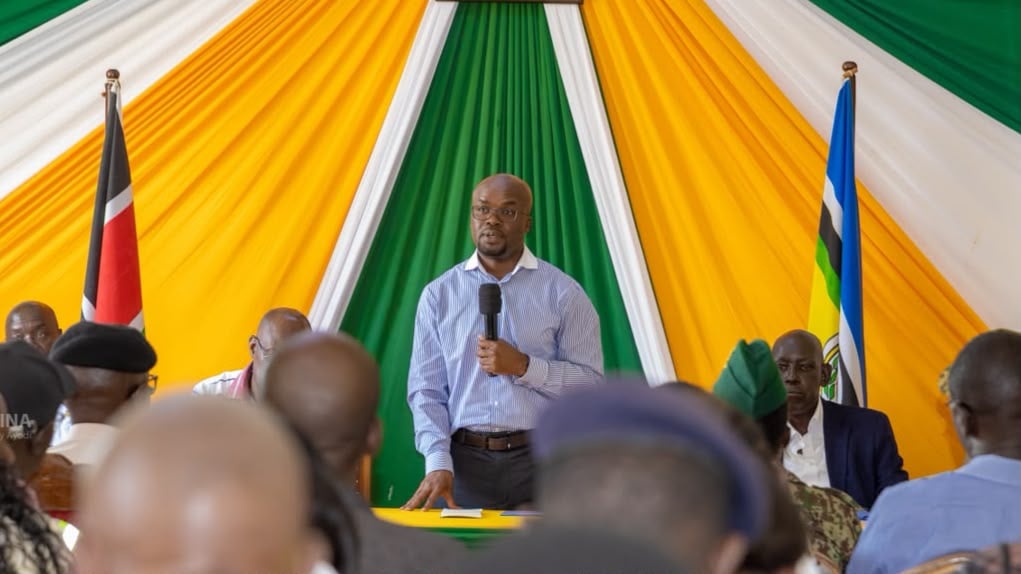
In an update on Friday, September 25, Interior Principal Secretary Raymond Omollo said road infrastructure plays an important role in connecting communities to economic opportunities and essential services.
"Road infrastructure is one of the clearest expressions of inclusive development because it connects people, places and opportunities while opening communities to markets and essential services," he wrote.

Omollo said the ongoing road works were advancing the government's objective of strengthening connectivity between the two counties.
Read More
"The ongoing upgrading of the 33-kilometre Shamakhokho-Kaimosi-Mpaka-Museno Road to bitumen standard is advancing this objective, strengthening the link between Vihiga and Kakamega counties," he added.

According to Omollo, once completed, the road will provide a reliable connection between the A1 Kisumu-Kakamega Highway and the B128.
The corridor serves residents and businesses in Hamisi, Sabatia, Shinyalu and Ikolomani constituencies.
It is also expected to improve access to key institutions in the area, including Kaimosi Friends University and Kaimosi Polytechnic.

The road is expected to support agricultural activity in the region by improving the movement of farm produce, while also benefiting traders and motorists who rely on the corridor.
"The improved road will ease movement of agricultural produce, particularly tea, support small businesses, reduce vehicle maintenance costs and provide reliable all-weather access across the region," he concluded.

Elsewhere, the Kakamega Airstrip in Shinyalu Constituency is moving closer to completion as Phase II of its rehabilitation and expansion advances.
In an update on Thursday, September 24, Omollo said the expansion was part of efforts to improve transport and connectivity infrastructure linking people, markets and opportunities across the country.
"To reimagine Kenya Beyond Vision 2030, we must also reimagine the transport and connectivity infrastructure that links people, markets and opportunities," he wrote.
According to Omollo, the Phase II project is being implemented under the Kenya Airports Authority (KAA) and is intended to position Kakamega Airstrip as a modern regional aviation hub.
The expansion will extend the existing 1.2-kilometre runway to 2 kilometres, allowing the facility to accommodate larger turboprop aircraft and regional commercial jets.
Omollo said construction had reached the stage where runway formation works and preparations for the asphalt wearing course were underway as the project approached the final surfacing stage.
"Construction is progressing, with the runway formation works and preparation for the asphalt wearing course underway, as the project moves towards final surfacing," he added.
Omollo said the second phase builds on works undertaken during Phase I, which included the rehabilitation of the runway, taxiways and apron.
The project also incorporates additional safety and operational features aimed at improving the airstrip's capacity.
"The phase also builds on the rehabilitation of the runway, taxiways and apron undertaken under Phase I, with enhanced safety features including Runway End Safety Areas, obstacle controls, airfield lighting, navigational markings and improved support facilities," he further said.