
Editor's Review
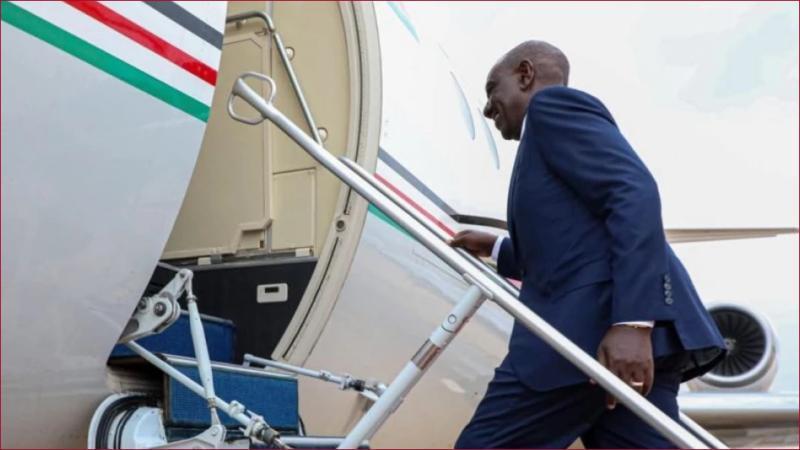
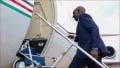
President William Ruto has arrived in Harare, Zimbabwe, to attend the 25th Summit of the Common Market for Eastern and Southern Africa (COMESA) Heads of State and Government.
President William Ruto has arrived in Harare, Zimbabwe, to attend the 25th Summit of the Common Market for Eastern and Southern Africa (COMESA) Heads of State and Government.
In an update on Wednesday, October 21, he announced his arrival, highlighting the regional summit as an opportunity for African leaders to discuss economic integration, peace and security, industrialisation and trade.
Ruto outlined the key priorities that would guide discussions at the summit, including accelerating the implementation of the African Continental Free Trade Area (AfCFTA) and strengthening regional economic cooperation.
"Arrived in Harare, Zimbabwe, for the 25th Summit of the Common Market for Eastern and Southern Africa (COMESA) Heads of State and Government.
"At the summit, we will focus on deepening regional integration, strengthening peace and security, accelerating the implementation of the African Continental Free Trade Area, advancing industrialisation, and unlocking the full economic potential of Africa’s natural resources through value addition," he wrote.
Read More

This comes weeks after Ruto defended his address to the United Nations General Assembly (UNGA), saying his international engagements are helping raise Kenya’s profile.
Speaking on Thursday, October 8, Ruto said Kenya had gained greater recognition and respect internationally as a result of its participation in global discussions.
"That is how you raise the profile of a country. Today I can say without fear of any contradiction that Kenya has a bigger profile and a lot of respect across the world because they know we are a serious nation," he said.
During his UNGA speech, Ruto called for reforms to the United Nations Security Council to give Africa a permanent representation in the body responsible for making major decisions on international peace and security.
He argued that Africa, which has 54 countries, should not continue being excluded from permanent membership of the council while decisions affecting the continent are made without its permanent representation.
Ruto also criticised what he described as double standards in the application of international law, arguing that inconsistent enforcement undermines confidence in global institutions and the international rules-based system.
He further addressed the growing number of armed conflicts globally, calling for stronger diplomacy, collective security mechanisms and greater emphasis on preventing conflicts before they escalate.
On economic matters, Ruto pushed for reforms to the international financial system, particularly over the high cost of borrowing faced by developing countries.
He argued that expensive financing limits the ability of developing nations to invest adequately in healthcare, education and other development priorities.
Ruto also used the global platform to advocate for greater economic transformation across Africa.
He urged African countries to reduce their dependence on exporting raw materials and instead establish industries that can process local resources, create employment and generate greater value within the continent.
-1768823097-sm.jpg)