
Editor's Review
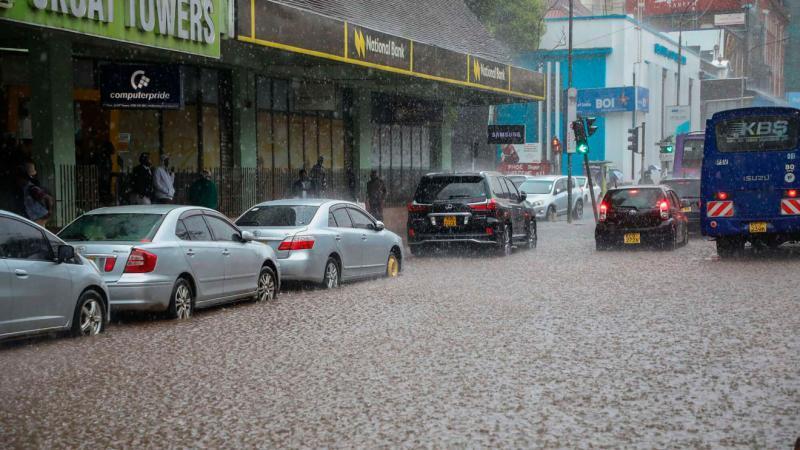
Several parts of the country are expected to receive rainfall over the next seven days, with isolated storms forecast in some coastal and northeastern areas.
Several parts of the country are expected to receive rainfall over the next seven days, with isolated storms forecast in some coastal and northeastern areas, raising the risk of flash floods.
In its weekly weather forecast covering October 22 to 29, the Kenya Meteorological Department (Kenya Met) said rainfall was expected in Mandera, Wajir, Garissa, Tana River, Lamu, Kilifi, Mombasa, Kwale, Meru, Embu, Baringo, Bomet, Bungoma, Busia, Elgeyo Marakwet, Homa Bay, Kajiado, Kakamega, Kericho, Kiambu, Kirinyaga and Kisii counties.
Other counties expected to receive rainfall during the forecast period include Kisumu, Kitui, Laikipia, Machakos, Makueni, Migori, Murang’a, Nakuru, Nandi, Narok, Nyamira, Nyandarua, Nyeri, Siaya, Taita Taveta, Tharaka-Nithi, Trans Nzoia, Turkana, Uasin Gishu, Vihiga and West Pokot. Rainfall is also expected in some parts of Nairobi and Marsabit counties.
However, Kenya Met warned that isolated storms could occur in parts of Mandera, Wajir, Lamu, Kilifi, Mombasa and Kwale counties, potentially triggering flash floods in vulnerable areas.
Residents have been urged to exercise caution throughout the rainy period, particularly when travelling through areas prone to flooding.
Read More
The department advised the public against walking or driving through flooded roads, rivers, bridges and other waterways, warning that fast-moving water poses a serious safety risk.
Motorists have also been advised to reduce their speed, maintain a safe following distance and use headlights when visibility is poor.
During thunderstorms, residents should avoid seeking shelter under trees or standing near isolated tall structures to minimise the risk of lightning strikes.

People living on or below steep slopes, unstable hillsides and in areas prone to landslides have also been urged to remain vigilant and watch for potential warning signs.
"People living on or below steep slopes, unstable hillsides, and areas prone to landslides should watch for warning signs such as cracks in the ground, leaning trees, unusual ground movement, or sudden changes in water flow," the agency said.
Meanwhile, farmers in areas expected to receive rainfall have been encouraged to take advantage of improved soil moisture to support agricultural activities.
This comes a week after the Nairobi Rivers Commission (NRC), in collaboration with relevant government agencies and the Nairobi City County Government, has opened the emergency spillway at Nairobi Dam as part of preparations for the anticipated El Niño rains.
In a statement earlier Monday, October 19, the commission announced that water was already flowing through the spillway.
The NRC said the exercise was part of a coordinated effort involving multiple government agencies to address potential flooding and environmental concerns.
"The opening of the spillway is part of planned interventions aimed at enhancing the dam's preparedness for heavy rainfall while paving the way for its comprehensive restoration. The exercise forms part of a multi-agency approach to improving mitigating flood risks and restoring Nairobi's river ecosystems," the statement read.
The NRC also urged residents living downstream of Nairobi Dam to remain calm following the opening of the spillway, assuring them that the exercise was part of planned preparedness and restoration activities.
"Residents living downstream of Nairobi Dam are urged to remain calm and not to panic. The opening of the spillway is part of the ongoing preparedness and restoration works.
"Residents are advised to remain vigilant, keep away from the flowing water and river channels, and follow official advisories from the relevant authorities," the statement added.