Editor's Review
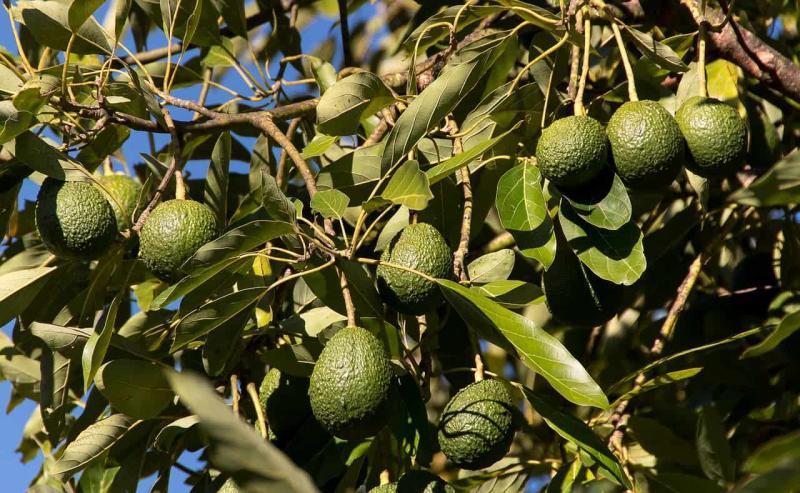
The Agriculture and Food Authority (AFA) has announced it will close avocado harvesting season for sea exports on Friday, October 30, 2026.
The Agriculture and Food Authority (AFA) has announced it will close avocado harvesting season for sea exports on Friday, October 30, 2026.
In a notice on Wednesday, October 28, AFA said it conducted a countrywide survey across major avocado-growing regions and found that current production was too low to support sea shipments.
Join our WhatsApp Channel for the latest news updates.
“Agriculture and Food Authority through the Horticultural Crops Directorate (AFA-HCD) conducted a countrywide survey in all the major avocado production zones to assess the current production patterns and forecast production for the main season next year.
“The survey findings are that current production volumes are low and insufficient for sea shipment,” read part of the notice.
Read More
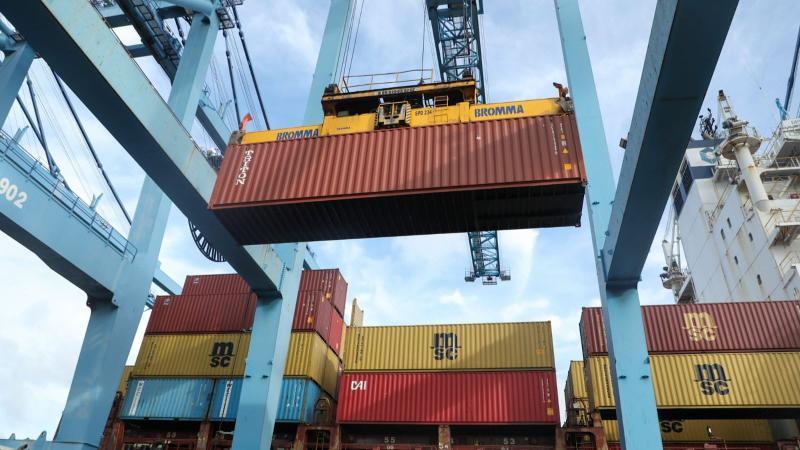
The authority said the harvesting season for sea shipments will take effect on Friday and affects Hass, Fuerte, Pinkerton and Jumbo avocado varieties
“The closing of Hass, Fuerte, Pinkerton, and Jumbo harvesting season for sea shipment will come into force with effect from Friday, 30th October 2026,” AFA stated.
However, the authority said exports of the four varieties by air will continue, subject to inspection and clearance by the directorate.
According to AFA, exporters will be required to provide traceability details for all consignments to obtain clearance.
“Export clearance shall be granted subject to inspection by the Directorate. Traceability details will be required for all consignments,” the authority said.
AFA also said the closure applies to avocado oil processors and directed processors holding oil stocks they intend to export during the closed season to request verification.
“Processors with oil stocks, planning to export oil during the closed season should request for verification of the same through [email protected] by Monday 2nd November 2026. Only oil stocks that have been verified in advance shall be cleared for export,” the notice stated.
At the same time, AFA noted that some mango exporters mix mango consignments with avocados for sea shipment.
The authority said the practice contravenes Section 20(5) of the Crops (Horticultural Crops) Regulations, 2020.
“Following the closure of the Avocado harvesting season and export by sea, some exporters mix mango consignments with avocado for sea shipment, against the provisions of Section 20 (5) of the Crops (Horticultural Crops) Regulations, 2020,” AFA stated.
The authority said all mango produce will be required to undergo inspection before an export certificate is issued.
AFA warned that any exporter who violates the closure guidelines risk having their export licences revoked
“Any exporter or Avocado oil processor who contravenes these season closure guidelines shall have their export license revoked and permits shall not be issued for export consignments initiated contrary to these guidelines,” the notice added.
This comes days after Kenyan farmers, processors and exporters secured a new international market for dried chillies following the opening of China to the commodity.
In a statement on October 22, the Kenya Plant Health Inspectorate Service (KEPHIS) said the new market access would allow Kenyan producers and exporters to supply dried chillies to the Chinese market, subject to compliance with the required phytosanitary, food safety and quality standards.
"The Kenya Plant Health Inspectorate Service (KEPHIS) wishes to inform farmers, exporters, processors, packers, producer organisations and other stakeholders that Kenya has secured market access for the export of dried chilies to the People's Republic of China," the statement read.
KEPHIS said exporters seeking to benefit from the opportunity must meet the applicable requirements governing pest control, traceability, processing, packaging and food safety before their consignments can be shipped to China.
Under the new export arrangements, processing and packing facilities must be registered with China's General Administration of Customs (GACC) through KEPHIS.
The facilities will first undergo inspection and approval by KEPHIS before registration.