
Editor's Review
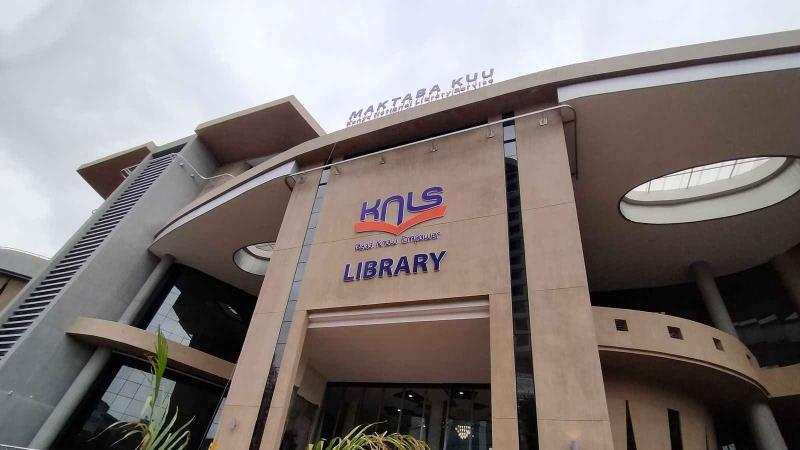
The Kenya National Library Service (KNLS) has warned members of the public about a fake website circulating online and falsely presenting itself as the official Virtual Library Platform, Vtabu.
The Kenya National Library Service (KNLS) has warned members of the public about a fake website circulating online and falsely presenting itself as the official Virtual Library Platform, Vtabu.
In a notice on Monday, November 23, KNLS clarified that the website was not affiliated with the institution and cautioned users against accessing services or sharing personal information through unverified platforms.
Join our WhatsApp Channel for the latest news updates.
"KNLS wishes to alert the public to a website currently circulating online that is falsely presenting itself as the Virtual Library Platform dubbed Vtabu," the notice read.
KNLS emphasised that members of the public should use only its official website to access the virtual library platform.
Read More
"Please be advised that the website is NOT affiliated with KNLS and is not our official Virtual Library Platform. The official Vtabu platform can only be accessed through https://vtabu.ac.ke," the notice added.
KNLS further urged users, partners, educators, parents and other members of the public to exercise caution when accessing online services, particularly by verifying website addresses before proceeding.
"We urge our users, partners, educators, parents and the general public to remain vigilant, verify website addresses before accessing online services, and avoid sharing personal information or making payments through unverified platforms," the notice further read.

Meanwhile, the Higher Education Loans Board (HELB) has warned students applying for loans against fraudsters using fake agents, fraudulent social media pages and requests for confidential information to target unsuspecting applicants.
In a notice on Monday, November 24, HELB identified three common scams that students should watch out for when seeking its services, urging them to remain vigilant and protect their personal information.
The first scam involves fake agents who claim to have connections within HELB and promise to help applicants secure or process loans in exchange for payment.
The board clarified that it does not engage third-party agents or charge fees for processing loan applications.
The second involves fake social media pages created to impersonate HELB and deceive applicants into sharing their personal information.
Students were advised to verify social media accounts before engaging with them, check for official verification badges and contact the board directly through its official X account, @HELBpage, when in doubt.
The third scam involves fraudsters requesting applicants' PINs or passwords through phone calls or messages.
HELB cautioned students against responding to such requests, emphasising that its staff would never ask applicants to disclose these confidential details.
"HELB services are 100% free and transparent. Stay alert and protect your personal information by watching out for these common scams," the notice read.