
Editor's Review
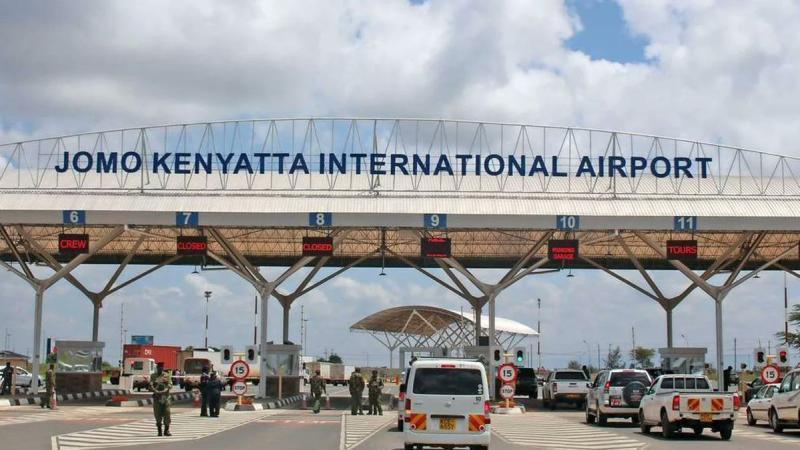
The Nairobi airspace will temporarily be closed on Friday, November 27, December 4, and December 12, 2026.
The Nairobi airspace will temporarily be closed on Friday, November 27, December 4, and December 12, 2026.
In an update, Kenya Airways (KQ) said the airspace will be closed on Friday between 12:00 pm and 1:20 pm.
Join our WhatsApp Channel for the latest news updates.
On Friday, December 4, and Saturday, December 12, 2026, the Nairobi airspace will be closed from 10:30 am to 12:30 pm.
According to KQ, the temporary airspace closure will facilitate national military activities.
Read More
“We wish to inform our customers that Nairobi airspace will be temporarily closed on 27 November 2026, from 12:00 HRS to 13:20 HRS, and on 4 December and 12 December 2026, from 10:30 HRS to 12:30 HRS, to facilitate scheduled national military activities,” KQ stated.
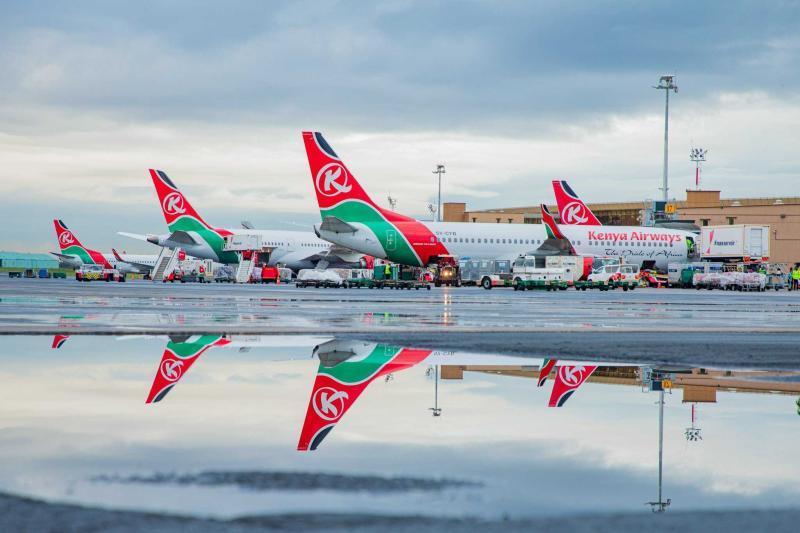
The national carrier warned that some flight schedules could be adjusted as a result of the closures.
KQ urged passengers travelling on the affected dates to check their flight status before heading to the airport.
“As a result, some flight schedules may be adjusted. Customers travelling on these dates are advised to check their flight status on our website or mobile app before proceeding to the airport,” the airline said.
KQ said it is working closely with the relevant authorities to minimize disruption and will communicate any schedule changes directly to affected passengers.
“We sincerely apologize for any inconvenience this may cause and appreciate your understanding and patience,” the airline added.
Elsewhere, the KQ board has issued a profit warning, projecting a decline of at least 25 percent in its earnings for the financial year ending December 31, 2026.
KQ Board Chairperson Kiprono Kittony attributed the projected earnings drop to rising fuel costs, supply chain disruptions and operational challenges that have affected its fleet availability and overall profitability.
He mentioned that the escalating conflict in the Middle East has driven up fuel costs, adding to the financial pressures facing its operations.
He also cited ongoing global supply chain constraints, including shortages of critical spare parts, extended lead times, and delays in the availability of aircraft components.
“These pressures include a surge in fuel costs driven by the escalating Middle East conflict. The ongoing global supply chain constraints, including shortages of critical spare parts, extended lead times, and delays in component availability, disrupted fleet availability and operational reliability. Collectively, these factors exerted sustained pressure on margins and overall network profitability,” Kittony stated.



-1795754097-md.jpg)



-1775806779-sm.jpg)