Editor's Review
The facility is expected to drive marine aquaculture through research, quality fingerling production, farmer training and innovation in sustainable fisheries
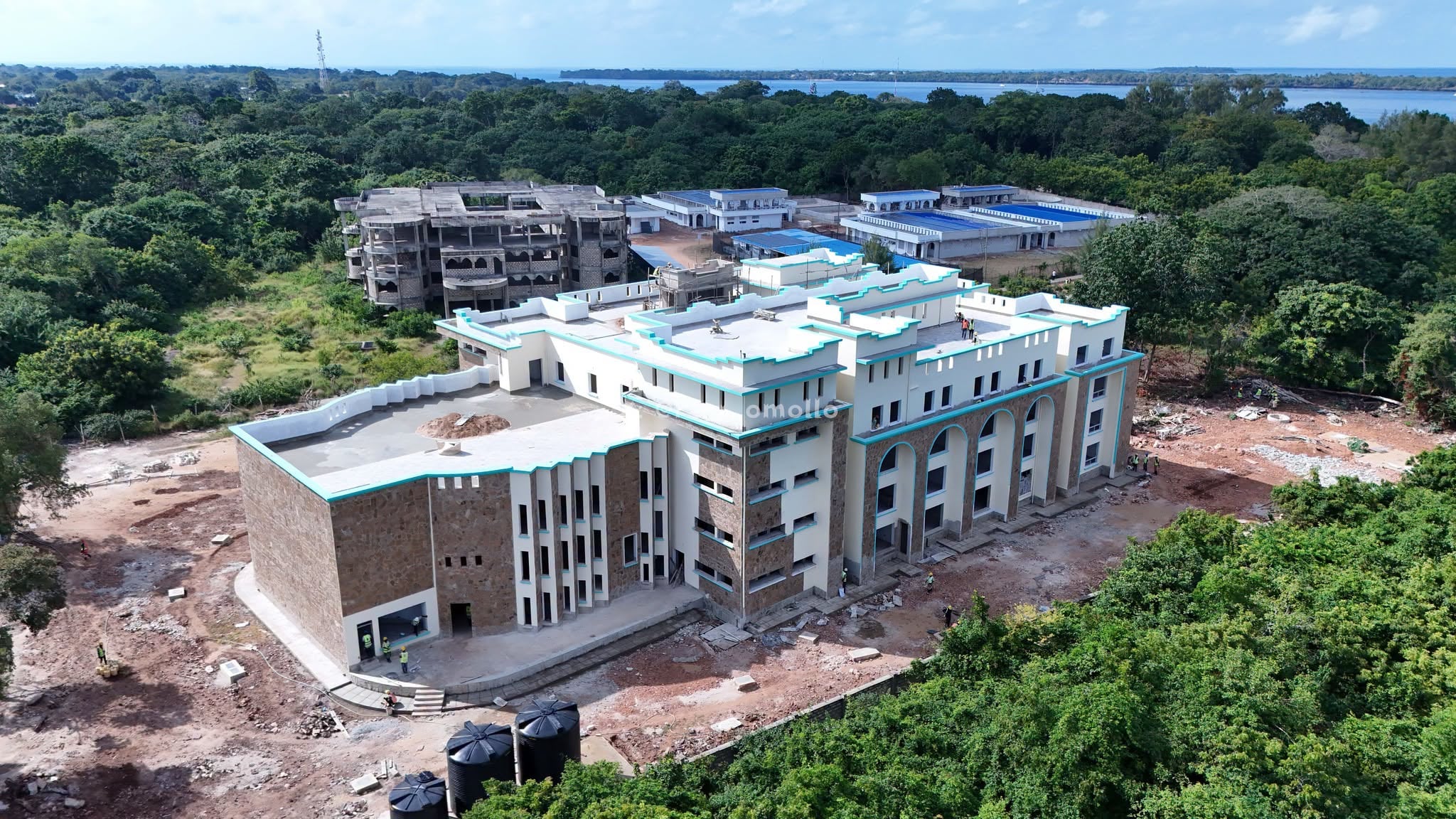
The National Mariculture Resource and Training Centre (NAMARET) in Shimoni, Kwale County, continues to take shape as the government advances marine aquaculture infrastructure along Kenya's coastline.
In an update shared on Thursday, July 30, Interior Principal Secretary Raymond Omollo highlighted the progress of the facility, which is managed by the Kenya Marine and Fisheries Research Institute (KMFRI).

According to Omollo, the centre is designed to support marine aquaculture research, seed production, and capacity building, with a focus on sea cucumber culture, seaweed farming, marine finfish production, and coral reef restoration.
Read More
"The Centre, upon completion, will drive innovation across key areas of marine aquaculture, including sea cucumber culture for high-value export markets, seaweed farming, marine finfish production, and coral reef restoration," Omollo noted.
He said the facility includes Kenya's first national marine hatchery for producing high-quality fingerlings, a three-storey training complex for mariculture education, eco-purification systems, and an interactive marine aquarium.

The facilities are expected to support research, learning, and public awareness.
Omollo added that the centre is intended to support research, technology transfer, and farmer training as part of efforts to expand marine aquaculture.
"Through research, technology transfer, and farmer support, NAMARET is helping unlock the economic potential of our marine resources while promoting environmental sustainability," he added.

The update comes as the government continues to roll out fisheries and aquaculture projects along the Kenyan coast.
Elsewhere in neighbouring Kilifi County, the government is also developing the Kilifi Central Fish Landing Site into a modern fisheries hub.
The project will feature cold storage facilities, an ice flake machine, a high-capacity fish handling area, a solar-powered energy system, and a structured market space aimed at improving fish handling and strengthening the fisheries value chain.


-1787551114.jpg)