Editor's Review
KRA announced that it will transition to the Multi-Vendor User-Owned e-Seal Framework for electronic cargo tracking on October 26, 2026.
The Kenya Revenue Authority (KRA) has notified all Importers, Exporters and Transporters that it will transition to the Multi-Vendor User-Owned e-Seal Framework for electronic cargo tracking on October 26, 2026
In a notice published on Friday, October 16, KRA announced that the e-fuel electronic seals for dry cargo and motor vehicles will cease operations.
Consequently, it advised users to engage approved vendors for a smooth transition.
"Thereafter, the electronic monitoring and tracking of goods under Customs control shall be undertaken exclusively by means of devices supplied by the approved Vendors in line with the Multi-Vendor User-Owned Framework.
"E-fuel electronic seals presently owned by KRA under RECTS for monitoring of wet cargo shall be progressively phased out," the notice read,
Read More

The Taxman explained that the framework shall be based on private commercial agreement between the approved Vendors and users. Users are at liberty to select any of the approved Vendors.
KRA told importers, exporters, clearing and forwarding Agents, transporters, bonded warehouse operators, partner states and all other stakeholders that the list of approved Vendors may be obtained on the KRA website (www.kra.go.ke).
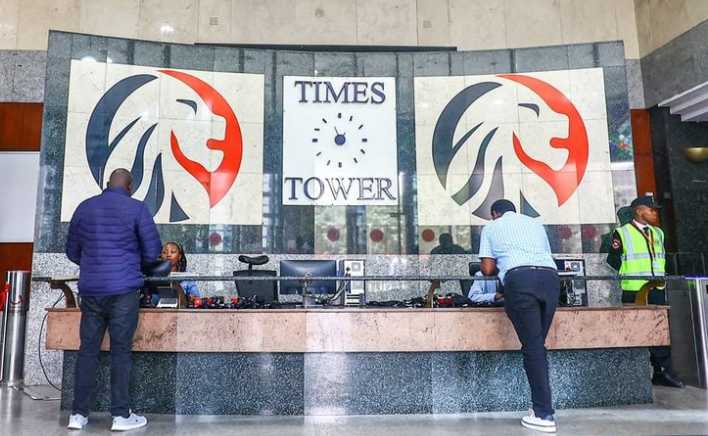
They can also obtain the list by writing to Customs at KRA or by physically visiting the Cargo Monitoring Unit, 13th Floor, Times Tower or any other Customs Offices.
Earlier, KRA and the National Treasury, have clarified that the integration between the Electronic Tax Invoice Management System (eTIMS) and the Integrated Financial Management Information System (IFMIS) accommodates valid invoices generated through both eTIMS and the Tax Invoice Management System (TIMS).
KRA explained that the integration was designed to improve transparency and accountability in government transactions while streamlining invoice verification and payment processes.
"The integration is intended to enhance transparency and accountability in Government transactions, streamline invoice validation and payment processes and strengthen tax compliance through automated verification of tax invoices," the statement read