Editor's Review
EPRA had earlier warned that the prices could increase further in the next cycle of review.
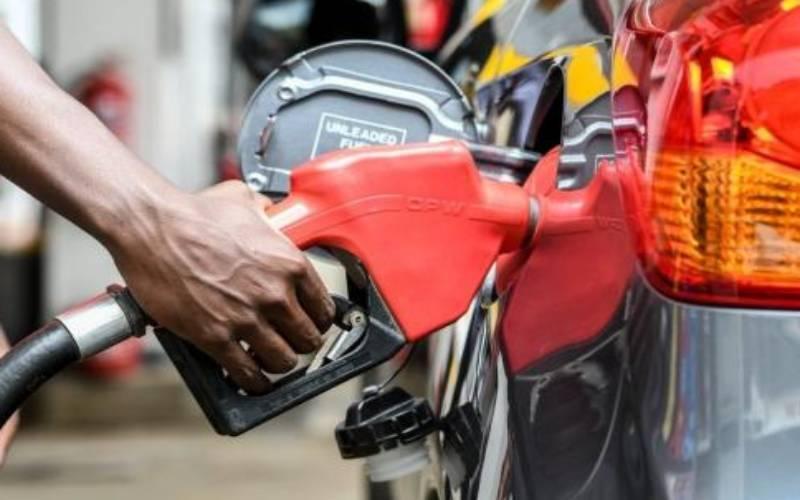
Kiharu MP Ndindi Nyoro has proposed three measures he says would cut the cost of petrol and diesel by KSh 29 a litre.
In a statement Saturday, October 17, the lawmaker accused the government of insensitivity over the latest fuel price increases.
He said the increases would hurt households and businesses.
"It is insensitive for the government to have announced such hikes in fuel prices," Nyoro said.
The MP, who is also the leader of the People's Party of Kenya (PPK), called for adequate interventions to cushion Kenyans and the economy, and noted that inflation already stands at 6.8%.
Read More
Nyoro was once one of President William Ruto's chief allies and loyalists. He now opposes the government and is campaigning for Ruto to be removed from office in the 2027 General Election.
His statement leans heavily on how the pump price is currently made up.
He said petrol, which retails at KSh 226.96, is made up of a product cost of KSh 126.97, taxes and levies of KSh 75.41, distribution costs of KSh 5.03, and a margin of KSh 19.55.
Diesel at KSh 227.76 is made up of a product cost of KSh 138.21, taxes and levies of KSh 65.42, distribution costs of KSh 4.67 and a margin of KSh 19.47.
He called the pricing more burdensome than the landed cost justifies.
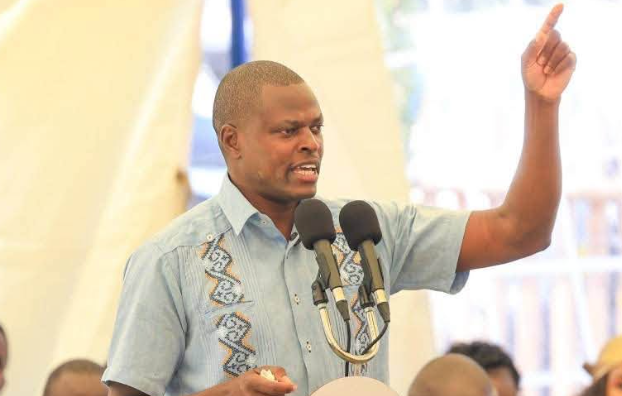
Nyoro took particular aim at margins, saying the importer's margin is a patronage fee of KSh 6.77 a litre and linking it to what he called the government-to-government (G to G) "cabal".
He observed that margins had gone up by KSh 2.16 a litre.
He also argued that the landed cost of diesel is now lower than it was in May, at KSh 138 a litre against KSh 167, a fall of 17%, yet pump prices have risen.
Nyoro added that the government has set aside a subsidy of KSh 21.5 billion (about $167 million) in the current financial year and urged that it be applied.
His first proposal is to cut importers' and distributors' margins by KSh 10. The second is a subsidy of KSh 5.5 billion on both petrol and diesel.
With consumption of about 450 million litres, he said, this would lower the price by KSh 12.
He put consumption at about 200 million litres of petrol and 250 million litres of diesel, plus five million litres of kerosene.
The third is to scrap the KSh 7 fuel levy introduced in 2024.
Should his proposals be considered, according to him, petrol would fall from KSh 226.96 to KSh 197.96 a litre and diesel from KSh 227.76 to KSh 198.77.
He said the figures do not include a cut in VAT.
Meanwhile, the lawmaker argued that the G-to-G arrangement ought to "be terminated and make way for competitive market prices. It is a scandal."
Additionally, the MP read mischief in Turkana oil, asking the president and other government officials to keep off, and also demanding that Kenyans be given the investment agreement for the Dangote East African Petroleum Refinery, saying the off-take of product cannot be accepted even when prices are uncompetitive.
While appearing before the National Assembly's Special Funds Accounts Committee on October 15, the Energy and Petroleum Regulatory Authority (EPRA) warned that fuel costs might climb higher during the winter, depending on how events unfold in the Middle East, stressing that the authority is keeping a close watch on developments.
EPRA Director‑General Edward Mwirigi attributed the increases to the Middle East turmoil, with attacks on tankers and infrastructure choking Gulf supplies.
He revealed importers are being forced to turn to pricier markets like Singapore.
On the sidelines of the fuel price increases, the National Assembly extended the 90-day lower VAT on the petroleum products.
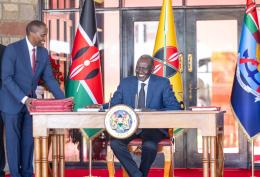
The House passed the Tax Laws (Amendment) Bill, 2026, which was fronted by Kikuyu MP Kimani Ichung’wah, locking the rate at 8% instead of the usual 16%.
The move was designed to shield consumers from soaring global oil prices driven by Middle East tensions.