
Editor's Review
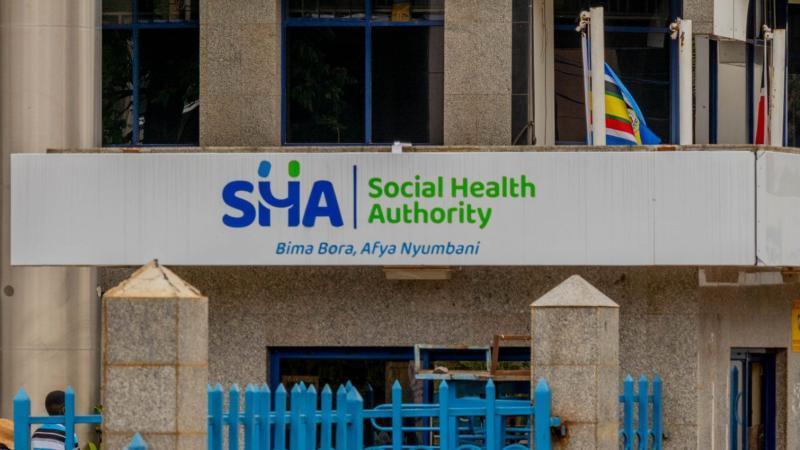
The Social Health Authority (SHA) has introduced new requirements for healthcare providers submitting medical claims involving children living under alternative care arrangements.
The Social Health Authority (SHA) has introduced new requirements for healthcare providers submitting medical claims involving children living under alternative care arrangements.
In a public notice on Thursday, July 16, SHA CEO Mercy Mwangangi said the authority has observed inconsistencies in the documentation submitted to support claims for children under alternative care.
“The Social Health Authority has observed inconsistencies in the documentation submitted in support of claims for children under alternative care arrangements,” read part of the notice.
To promote consistency in claims processing, Mwangangi outlined new requirements that contracted healthcare providers must meet.
“The Authority hereby guides the minimum documentary requirements applicable to the various categories of alternative care,” Mwangangi said.
Read More

Under the new guidelines, medical facilities treating adopted children will be required to submit a certified adoption order.
For children under a legal guardian, the facilities will be required to submit either a deed or will appointing the guardian.
Alternatively, the medical facilities can submit a certified court guardianship order to support claims.
For claims of children under kinship care, the facilities will either submit a custody order or a letter from a children's officer confirming the kinship care arrangement.
Mwangangi also announced that medical claims for children under foster care must be supported by a foster care placement approval issued by the secretary of children's services or a relevant court order.
Meanwhile healthcare providers will be required to provide a court committal or care order together with the child's admission record for children living in charitable children's institutions.
“Charitable Children's Institution (Children's Home): Court Committal/Care Order together with the Children's Home admission record,” SHA stated.
For children placed under relatives through court orders, health care providers must submit a certified court order, while those under parental responsibility arrangements must be supported by the relevant legal instrument.
Further, the Mwangangi said the authority will require either a certificate of registration or a placement certificate for children under the Kafaalah care arrangement.
This comes days after SHA introduced fingerprint identification for registered child dependants aged between 7 and 17 years.
In a statement on Tuesday, July 7, the agency said the move aimed at improving beneficiary verification during healthcare visits.
Announcing the rollout, SHA explained how the new identification process will work for eligible child dependants.
"The child's fingerprint will be captured at a SHA-contracted healthcare provider when the child visits for treatment. It will be used to identify the child and confirm that the correct beneficiary is receiving care," the statement read.
SHA clarified that fingerprint registration will only be carried out with the approval of a parent or legal guardian.
"Parents or guardians are required to give consent for the fingerprint to be captured," the statement added.
SHA also noted that alternative verification methods will remain available in situations where fingerprint authentication cannot be completed.