Editor's Review
Muturi gave an example of how elections in some parts of the Democratic Republic of Congo were cancelled in the 2018 polls
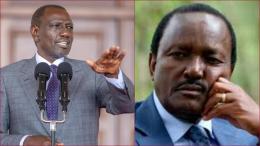
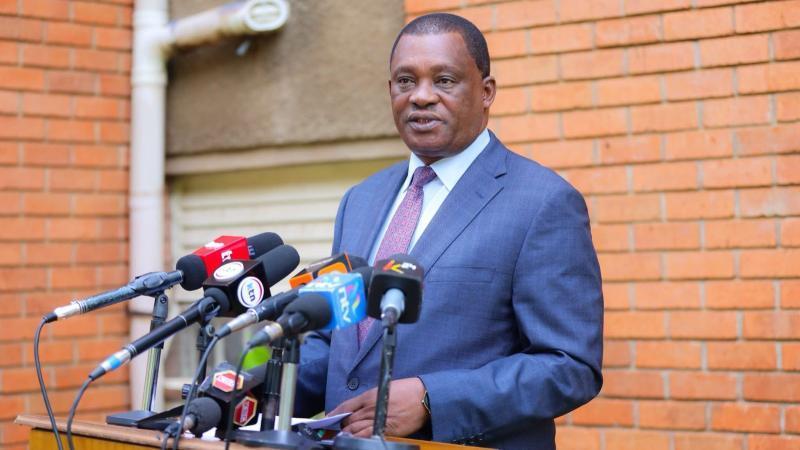
Former Attorney General Justin Muturi has warned Health Cabinet Secretary Aden Duale not to allow the Ebola pandemic to turn into a democratic crisis in 2027 after Kenya confirmed its first case.
In a statement issued on Tuesday, October 6, Muturi gave an example of how elections in some parts of the Democratic Republic of Congo were cancelled in the 2018 polls, with the majority being opposition strongholds.
He claimed that while the pandemic was a genuine reason to cancel elections, that most were called off in Opposition areas was a concern.
"In 2018, Ebola was cited when voting was postponed in Beni and Butembo, opposition strongholds, excluding more than 1.2 million registered voters from voting on the scheduled election day. Opposition leaders, activists and civil society condemned the decision, while residents staged symbolic elections in protest," he stated.
Muturi expressed concerns that the same could happen in Kenya, stating that whether genuine or not, using a pandemic to undermine the democratic space will not be accepted.
Read More

He called on the Ministry of Health to address Ebola prevention and treatment with the seriousness it deserved.
The former AG noted that if measures are in place to contain the pandemic in the face of an outbreak, the measures should apply to both the government and the Opposition.
"If Ebola requires restrictions on movement or rallies, the government must publish the medical evidence, define the geographical scope, set clear time limits and apply the rules equally to government and opposition. The Ministry must protect Kenyans from Ebola, but it must also demonstrate competence, transparency and respect for democratic freedoms," the statement continued.
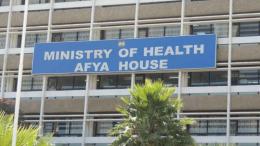
Muturi questioned how the Ministry of Health dropped the ball in its Ebola surveillance, which gave way for an infected person to gain entry into the country.
He argued that Kenya had months to prepare for such a scenario, yet the patient, who has since died, entered Kenya and freely interacted with his kin before being admitted to hospital, where he died.
Earlier, Duale confirmed that the patient who was diagnosed with Ebola had flown in from DRC to Kenya through Uganda.
The Ministry of Health said the patient arrived in Nairobi on Saturday, October 3, 2026, at 1:10 pm and underwent the normal public health screening at the Port Health and Immigration desk.
He arrived in Nairobi on Saturday, October 3, 2026, at 1:10 pm and underwent the normal public health screening at the Port Health and Immigration desk.