Editor's Review
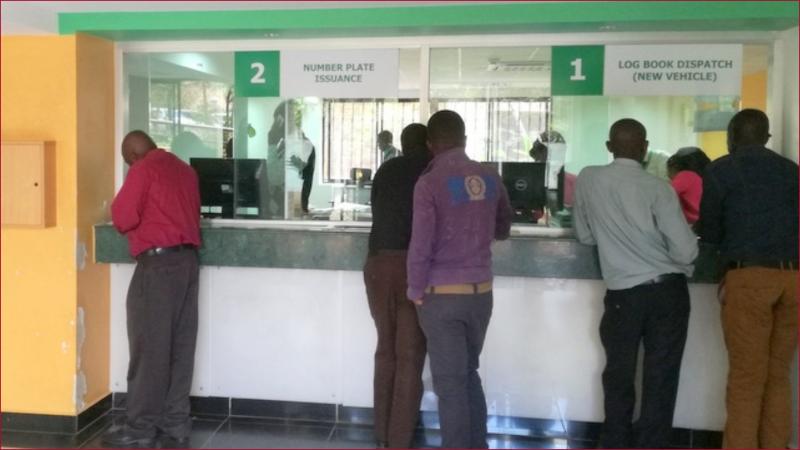
Customers previously endured long hours of waiting on long queues to get served.
The National Transport and Safety Authority (NTSA) now says motorists visiting its offices to pick up their driving licences can be served in less than two minutes.
The agency presented the change as a major improvement in the way it serves the public.
While marking the customer service week, the authority said the new arrangement aims to cut the time Kenyans spend at its branches and end the long queues that have frustrated many users.
In a statement on October 9, the agency noted that systems have been enhanced to fast-track services.
"At NTSA we have transformed service delivery. Visit and collect your driving licence in under two minutes. No more queues at NTSA," read NTSA's statement.
Read More
In the old systems, motorists could spend several hours queuing at NTSA offices before getting their documents. According to the authority, that wait has now been reduced sharply.
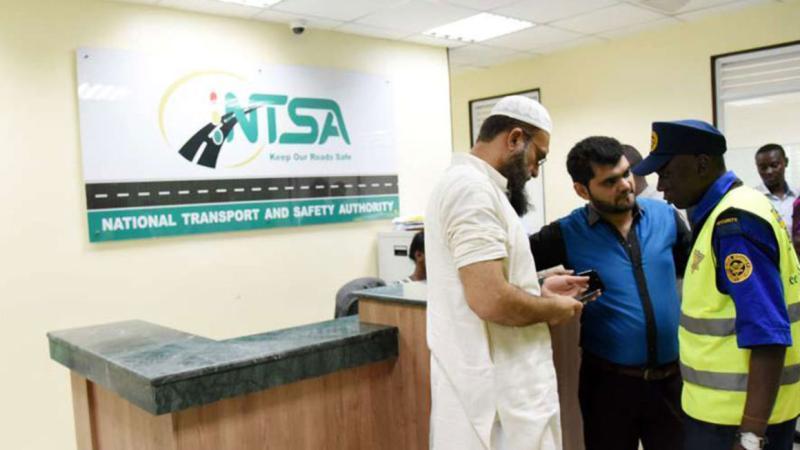
Applicants must still go in person to their nearest NTSA branch to collect their licences.
The authority did not explain how the two-minute turnaround would be achieved or whether it would apply at all its offices nationwide.
The announcement comes amid growing public complaints over delays in issuing smart driving licences and number plates.
Several applicants say they completed biometric registration and paid the required fees two to three months before the statement, yet are still waiting for their cards.
The delays have been blamed on a large backlog of unprocessed applications. Sources indicate that hundreds of thousands of requests are still pending.
The sheer number of applications has reportedly stretched the authority's capacity to print and issue documents, making it hard to keep pace with demand.
Elsewhere, the NTSA recently rolled out a four‑day training programme for PSV operators ahead of the festive season, aimed at sharpening their skills in management, safety, compliance, customer care and emergency response.
Each day will tackle specific areas, from fleet operations and road safety to passenger welfare, technology, audits, and certification, ensuring operators are better prepared for the holiday rush.
The authority said the early rollout is a proactive step to build safety capacity before peak travel.