Editor's Review
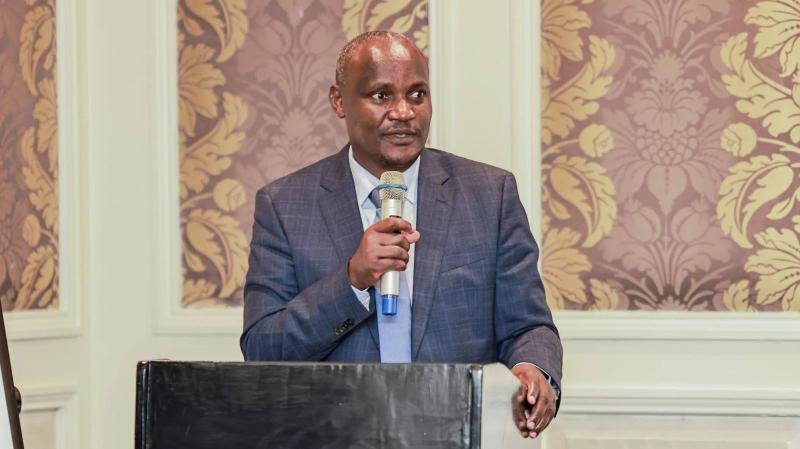
Treasury Cabinet Secretary John Mbadi has revealed that the proposed Pay As You Earn (PAYE) tax adjustment Bill will be tabled in Parliament next week.
Treasury Cabinet Secretary John Mbadi has revealed that the proposed Pay As You Earn (PAYE) tax adjustment Bill will be tabled in Parliament next week.
Speaking during an interview on Tuesday, November 17, Mbadi disclosed that he had signed the Bill and forwarded it to Attorney General Dorcas Oduor for review.
Join our WhatsApp Channel for the latest news updates.
He noted that the Attorney General will go through the proposed legislation before it is tabled in Parliament.
“The bill is ready; it is now with the Attorney General. We will take it to Parliament before recess. I signed it off last week for the Attorney General to consider before we take it to Parliament, most likely next week; it should not take long,” CS Mbadi said.
Read More

The Treasury Cabinet Secretary described the bill as popular and expressed confidence that Parliament will expedite it.
“This is a popular bill; Parliament will not waste much time with the bill,” added CS Mbadi.
Further, he said the PAYE tax adjustment will be implemented once it has been passed by Parliament and signed into law.
The proposed bill seeks to exempt Kenyans earning Ksh32,333 per month or less from paying PAYE.
Speaking during Mashujaa Day celebrations on Tuesday, October 20, President Ruto said the proposal is aimed at easing the tax burden on low-income earners.
"We have prepared a proposal to exempt Kenyans earning Ksh32,333 per month or less to be exempted from paying pay-as-you-earn income tax," he said.
The Head of State said the proposed exemption would help workers cope with the rising cost of meeting basic needs, including food, transport and education expenses.
"For workers on modest incomes, every shilling saved means more money for food, transport, school expenses, and the needs of their families," President Ruto added.