
Editor's Review
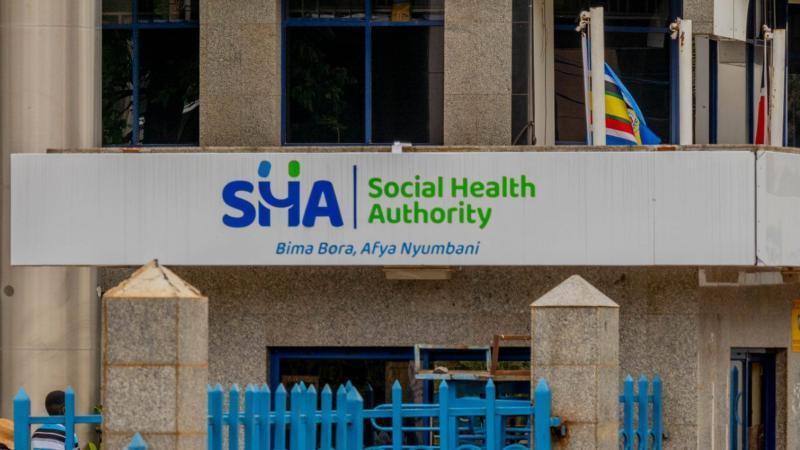
SHA has disbursed Ksh8.7 billion to 8,208 healthcare facilities across the country under the Primary Health Care Fund (PHCF) and the Emergency, Chronic and Critical Illness Fund (ECCIF).
The Social Health Authority (SHA) has disbursed Ksh8.7 billion to 8,208 healthcare facilities across the country under the Primary Health Care Fund (PHCF) and the Emergency, Chronic and Critical Illness Fund (ECCIF).
In a statement on Thursday, November 26, SHA said the funds were intended to support healthcare providers in maintaining operations, replenishing medical supplies and ensuring continuity of essential health services.
Join our WhatsApp Channel for the latest news updates.
"The Social Health Authority (SHA) has injected KES 8.7 billion into Kenya’s healthcare economy, supporting healthcare providers to sustain operations, replenish medical supplies and ensure uninterrupted delivery of essential health services to Kenyans," the statement read.
Under the Primary Health Care Fund (PHCF), SHA paid 7,975 healthcare facilities a total of Ksh7,823,905,766.80, making it the largest share of the latest disbursements.
Read More
The payments are aimed at supporting primary healthcare services and ensuring facilities have the resources required to continue providing care to patients.
Meanwhile, the Emergency, Chronic and Critical Illness Fund (ECCIF) disbursed Ksh874,816,608.35 to 233 healthcare facilities, supporting the provision of services for emergencies, chronic conditions and critical illnesses.
SHA also provided an update on payments under the Social Health Insurance Fund (SHIF), saying the payment list would be released separately.
"The SHIF payments list will be published on 27th November 2027," the statement added.

This comes days after SHA announced changes to the approval of cancer treatment services, seeking to ensure patients receive services in line with national cancer treatment guidelines.
In a statement on Friday, November 20, the authority said the adjustments were intended to address inconsistencies in the pricing of cancer treatment across hospitals, which had previously resulted in patients paying different amounts for similar services.
"The Social Health Authority (SHA) wishes to inform the public that recent changes to cancer treatment approvals were introduced to improve access to quality cancer care, align treatment with the National Cancer Treatment Guidelines, and standardise the pricing and reimbursement of cancer medicines and services," the statement read.
SHA clarified that the changes would not affect the legally approved cancer treatment benefit available to patients, which remains capped at Ksh800,000.
"In line with the provision of Legal Notice No. 56 of 2025 and Legal Notice No. 78 of 2026, please note the legally approved cancer benefit of Ksh800,000 for patients remains unchanged," the statement added.
According to SHA, previously, healthcare facilities applied varying charges for similar cancer treatment procedures, creating disparities in the amount patients were required to pay.
The inconsistent pricing had, in some instances, resulted in patients exhausting their allocated benefits before completing their prescribed treatment.
SHA said the revised approval system would address the problem by introducing standardised rates and making better use of the available oncology allocation.
"The revised system aims to ensure patients receive appropriate treatment at standardised rates while maximising the enhanced oncology benefit of Ksh800,000, comprising Ksh400,000 under SHIF and Ksh400,000 under ECCIF," the statement further read.
SHA advised patients that access to the oncology benefit would depend on compliance with the applicable treatment guidelines, approved tariffs and eligibility conditions.
It cautioned that services falling outside the approved benefits package would not automatically qualify for reimbursement, meaning patients could be required to meet additional costs for certain treatments or services.

 (1)-1795671353-md.jpg)
 (1)-1795668756-md.jpg)

 (1)-1795671353-sm.jpg)