Editor's Review
Kenya Power is set to connect Lodwar town and surrounding areas to the national electricity grid for the first time since independence.
Kenya Power is set to connect Lodwar town and surrounding areas to the national electricity grid for the first time since independence.
In a statement on Monday, September 14, the company said it is implementing two major electricity projects aimed at connecting Lodwar, the commercial centre of Turkana County, to the national grid.
The works involve construction of a 66/11kV Lodwar substation and a 90-kilometre 66kV transmission line linking Lokichar to Lodwar.
According to Kenya Power, the two projects are being financed by the Government of Kenya at a combined cost of Ksh1.01 billion.
Once operational, the new infrastructure is expected to provide stable, clean and reliable electricity to more than 80,000 people in Lodwar and neighbouring areas.
Read More
The improved power supply will support households, schools, healthcare facilities and businesses while providing capacity for the town's growing electricity needs.
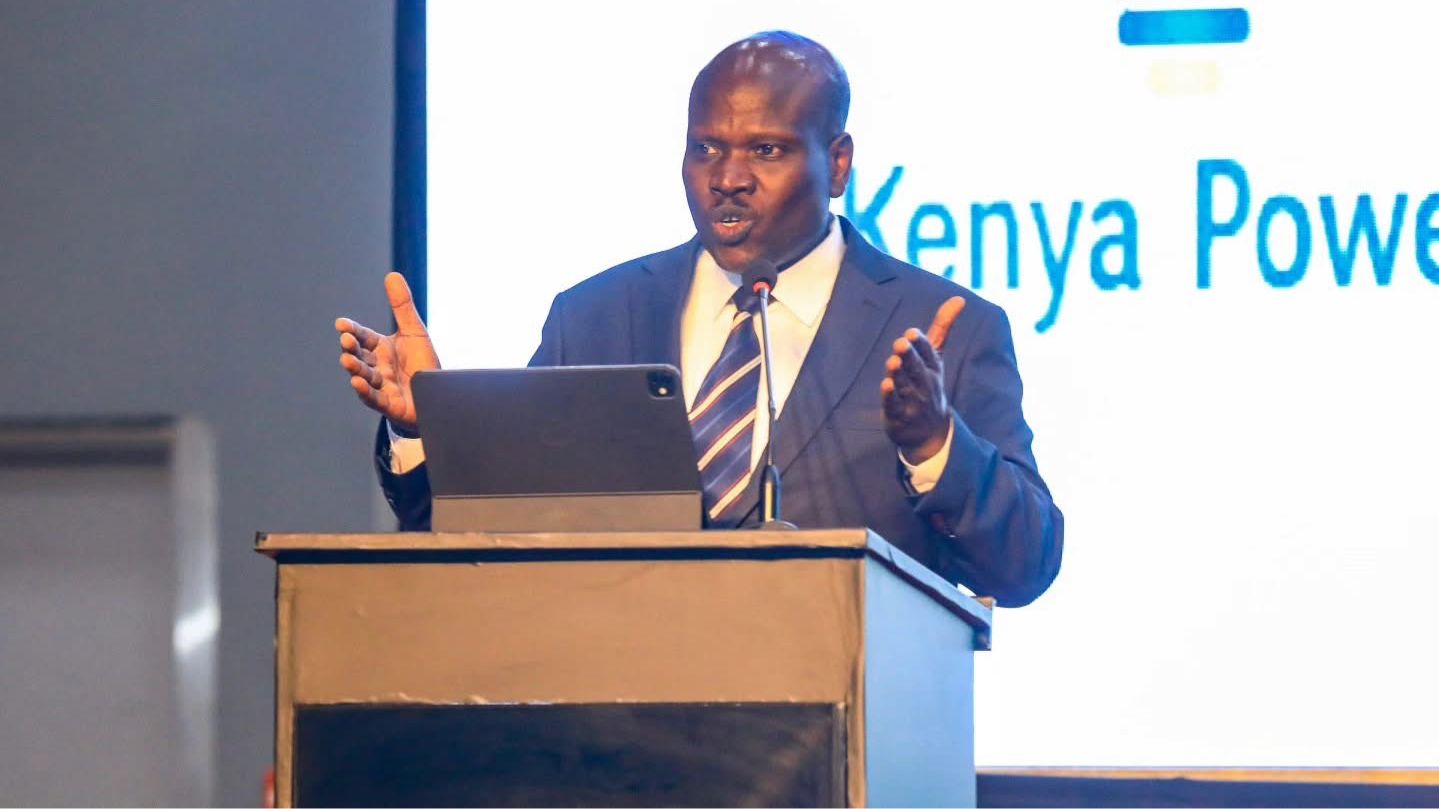
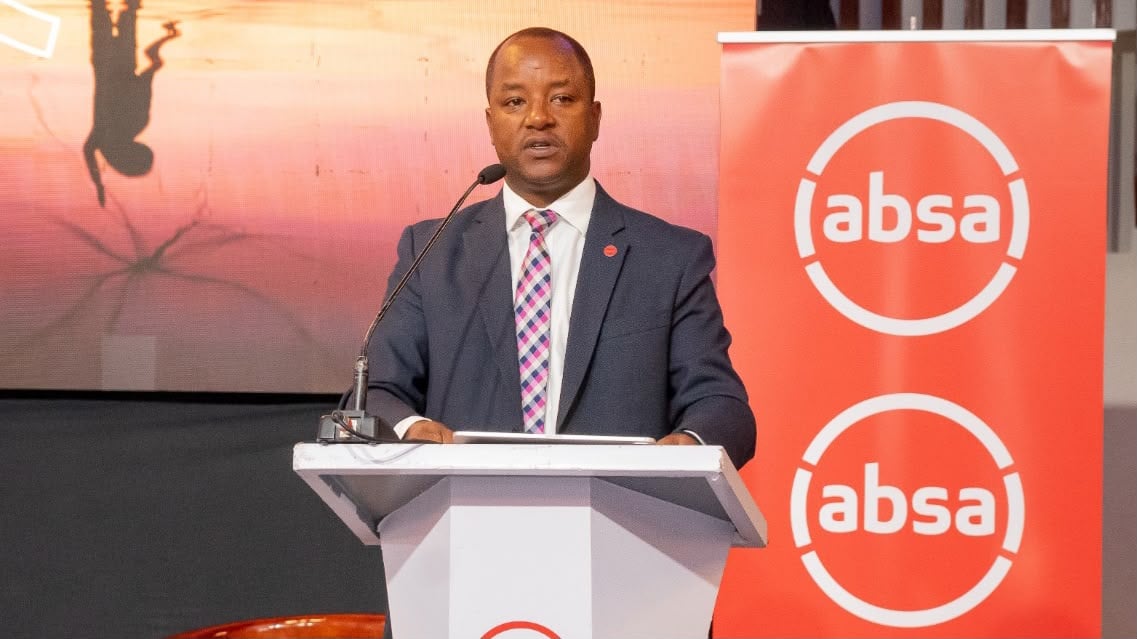
Kenya Power Managing Director and CEO Joseph Siror said the project was particularly significant for a region that has relied on diesel generators for decades.
"This is one of those projects which we hold very dear to us. Since independence, the people of this area and this county have depended on generators, which are not very effective especially in this area, where the temperatures are quite high and running the machines on a 24-hour non-stop basis leads to breakdowns. Connecting this town to the grid means that the residents here will enjoy stable and reliable electricity to power their livelihoods," he said.
At present, Lodwar and its surrounding areas are supplied using diesel-powered generators operated by Kenya Power at an estimated annual cost of Ksh900 million.
The generators have faced difficulties keeping up with rising demand, with the region's high temperatures contributing to breakdowns and periods of power rationing.
The shift to electricity from the national grid is also expected to reduce the area's dependence on fossil fuels and cut emissions associated with diesel generation.

Siror noted that the financial savings from moving away from diesel generation would be significant when the projects are completed.
"The cost of extending the power line from Lokichar to Lodwar, is almost the same as what we are currently using to fuel the generators in a year. Once these projects are complete, we are looking at a situation where what we are saving just in terms of diesel costs for a year is equivalent to the cost of building the line and the substation," he added.
Elsewhere, Kenya is seeking increased financing and technical support from the Asian Infrastructure Investment Bank (AIIB) to advance major infrastructure and connectivity projects.
On Thursday, September 10, Prime Cabinet Secretary and Cabinet Secretary for Foreign and Diaspora Affairs Musalia Mudavadi held discussions with AIIB President Zou Jiayi in Nairobi, focusing on opportunities in transport infrastructure, aviation, renewable energy, water and sanitation, and rural connectivity.
Mudavadi said Kenya’s decision to join AIIB was strategic because the institution’s focus on sustainable infrastructure, innovation and connectivity closely matches the country’s development agenda.
"Kenya’s membership in AIIB is important and deliberate. We believe the Bank’s mandate aligns well with our national development priorities and our policy of diversifying partnerships with development partners that support sustainable socio-economic development," he said.
Mudavadi also asked AIIB to consider establishing its Sub-Saharan Africa office in Nairobi, arguing that Kenya’s position as a diplomatic, financial and multilateral centre would make it an ideal base for expanding the bank’s operations across the continent.
"Kenya would be honoured to host the AIIB Sub-Saharan Africa Office in Nairobi. This would facilitate the Bank’s engagement with African countries and strengthen cooperation in infrastructure, connectivity and sustainable development," he added.
According to Mudavadi, the talks also examined several projects that Kenya hopes to advance with AIIB financing, including the Rironi-Mau Summit Private Partnership (PPP) project.
The government welcomed AIIB’s assistance with the feasibility study for the Rironi-Mau Summit PPP, which is expected to improve regional connectivity and enhance access to the Port of Mombasa for Kenya and landlocked countries in the region.
Mudavadi further sought the bank’s assistance in speeding up approval processes for the Jomo Kenyatta International Airport (JKIA) PPP project.
The government considers JKIA a critical component of Kenya’s position as a regional aviation, tourism, trade and investment hub.
Kenya also identified renewable energy, last-mile connectivity, rural roads connecting counties to neighbouring countries and the extension of the Standard Gauge Railway (SGR) as areas where increased AIIB financing could make a significant difference.
The discussions further covered Kenya’s plans to raise funds through the proposed US$500 million Panda Bond, which would provide the country with access to China’s financial markets.
Mudavadi said cooperation between AIIB, the African Development Bank (AfDB) and the National Treasury would be important in helping Kenya access the Chinese financial market.
"The Panda Bond will help Kenya diversify its sources for development financing while strengthening the country’s financial and economic partnership with China and other international financial institutions," he further said.

-1787551114.jpg)
-1789385357.jpeg)
 (1)-1788411142.jpg)