Editor's Review
The government has ordered investigations into reports that bodies allegedly belonging to street families were retrieved from Nairobi Funeral Home and buried without proper identification.
The Ministry of Gender, Culture and Children Services has ordered investigations into reports that bodies allegedly belonging to street families were retrieved from Nairobi Funeral Home and buried at Langata Cemetery without proper identification or clarity on the circumstances of their deaths.
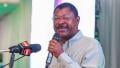
In a statement on Monday, February 2, Gender, Culture and Children Services Cabinet Secretary Hanna Wendot said her office has taken the allegations seriously and has already initiated steps to establish the facts surrounding the reported burials.
The CS explained that the ministry has already engaged relevant stakeholders to begin the investigative process.
"In response to the reports of bodies that were retrieved from Nairobi funeral Home and interred at Langata cemetery alleged to be street families I wish to inform the public that my office has taken note of the matter with the seriousness it deserves.
"In this regard, I this morning held a consultative meeting with officers from the Street Families Rehabilitation Trust Fund (SFRTF) and Concerned Government agencies. The investigations are currently ongoing to establish the identity, age, gender, cause of death and any other relevant details that will provide clarity on the circumstances surrounding the reported deaths," the statement read.
Read More

Wendot further stated that the consultative meeting also assessed the status of existing frameworks meant to protect and rehabilitate street families.
“The meeting also reviewed the implementation of the National Street Families Rehabilitation Policy, under which County Street Families Rehabilitation Chapters have been established and operationalised in thirty-eight (38) counties.
"These chapters play a critical role in coordinating rehabilitation interventions and ensuring that services are effectively decentralised and brought closer to the communities in need," the statement added.
The intervention follows reports that at least 15 street-connected children and youth died in Nairobi over slightly more than a month.
The deaths were reported across different parts of the city, with bodies picked up from streets and informal sleeping areas.
Post-mortem findings and police reports indicated that many of the children died from preventable causes linked to life on the streets.
These included pneumonia and other respiratory infections, starvation and malnutrition, injuries from violence and mob justice, and accidents such as drowning.
The deaths were followed by a hurried burial process that drew sharp criticism.
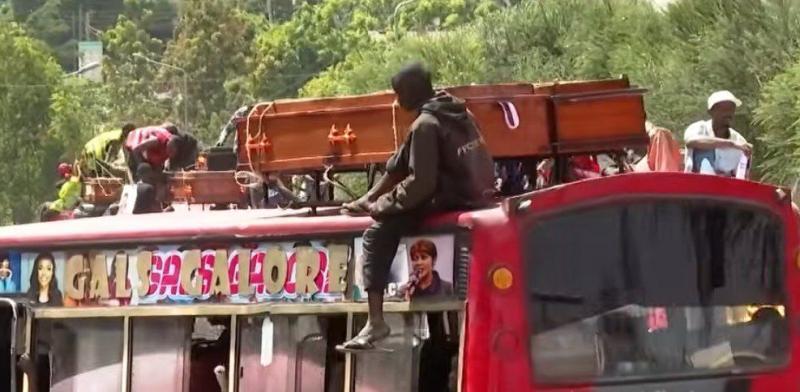
On Thursday, January 29, nine of the bodies were buried together at Lang’ata Cemetery after remaining in mortuaries.
The burial was organised with the help of well-wishers, but advocates said the process was rushed and lacked transparency.
Civil society organisations, including groups that work directly with street families, condemned the handling of the deaths.
They argued that focusing only on burial arrangements ignored the bigger issues of neglect, lack of protection, and failure by authorities to investigate each death properly.