President William Ruto has addressed growing calls for nationwide protests over the rising cost of fuel, urging leaders and citizens to pursue practical solutions.
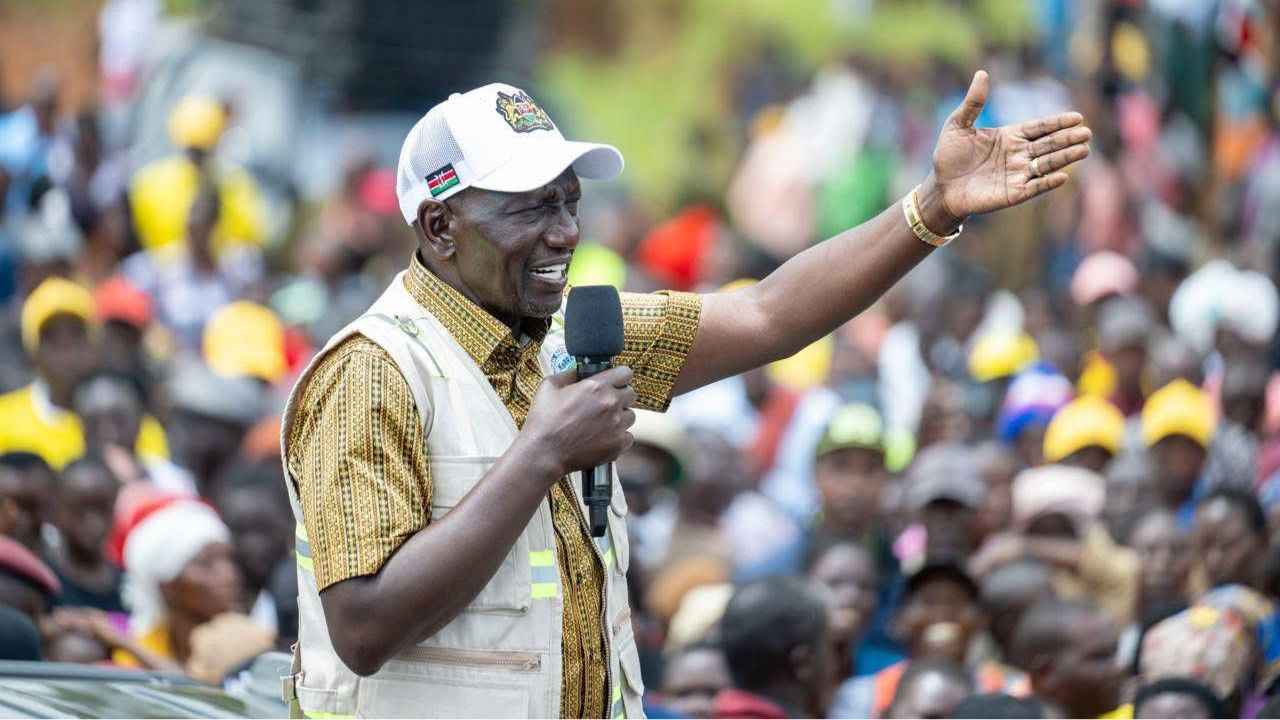
Speaking on Wednesday, April 15, he dismissed the need for protests in addressing the issue, suggesting thoughtful and strategic approaches to the challenge.
"There are others saying that because fuel prices have increased globally, they will hold protests in the country. I want to ask, if they protest, will the cost of fuel decrease? We must use our brains to find ways to reduce the price of fuel," he said.
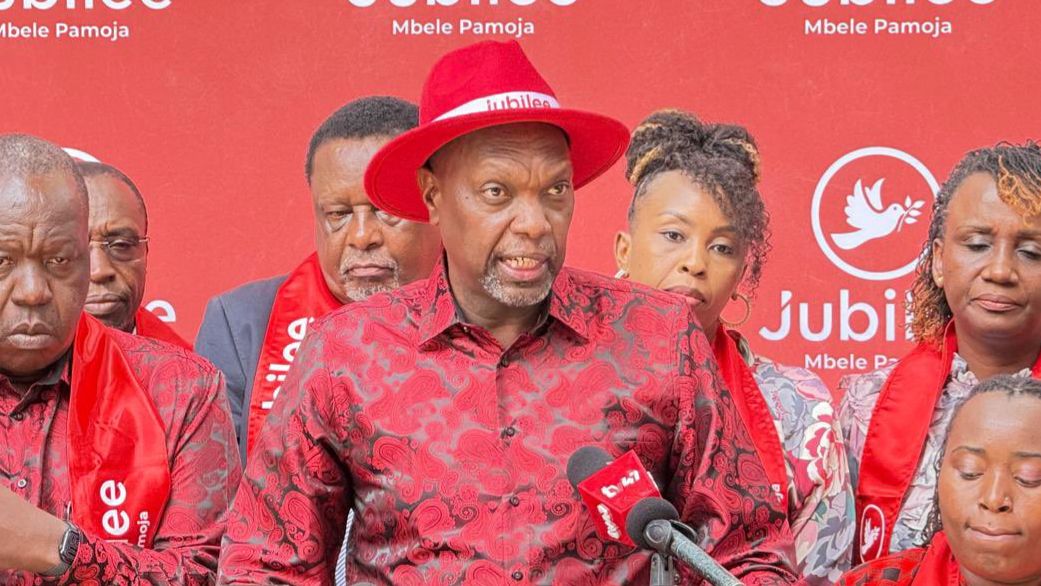
Earlier Wednesday, former Deputy President Rigathi Gachagua issued a warning to Ruto, threatening nationwide mass action if urgent measures are not taken to address the rising cost of fuel.
Speaking during a press briefing, Gachagua, on behalf of the opposition coalition, gave the government a seven-day ultimatum to act on a series of demands aimed at reducing fuel prices and addressing what he described as a worsening fuel crisis.
Read More
The opposition called for the immediate convening of a special sitting of the National Assembly to debate the controversial government-to-government (G-to-G) fuel import arrangement, which they blame for the recent surge in pump prices.
"President William Ruto, you must immediately instruct the National Assembly speaker to convene a special sitting to scrap G-to-G," Gachagua stated.
Gachagua and his allies further outlined several measures they believe would help ease the financial burden on Kenyans, including scrapping the G-to-G fuel import deal.
Others were reducing or removing fuel-related taxes such as VAT and the road maintenance levy, suspending the Affordable Housing Levy and NSSF deductions, and redirecting funds from major government projects to cushion consumers.
The opposition argued that these steps are necessary following the latest fuel price review by the Energy and Petroleum Regulatory Authority, which pushed petrol and diesel prices above Ksh200 per litre.

Gachagua warned that failure by the government to act within the given timeline would trigger nationwide protests across the country.
"If there is no action taken on the part of William Ruto, we shall announce further measures to the people of Kenya to force William Ruto and the National Assembly to act in the best interest of the people of Kenya," the United Opposition warned.
Notably, Ruto defended the government amid uproar over the latest fuel price review that saw fuel prices jump from between Ksh28 to Ksh40 per litre.
Speaking in Kisii County, he blamed the fuel prices on the current events at the global stage, including the Iran War, for the sharp spike in fuel costs.
Nonetheless, Ruto stated that his administration was doing all it could to cushion Kenyans from the steep rise in petrol prices across the world.
He stated that were it not for government interventions, the fuel would have retailed at higher prices than the Ksh206.97 for petrol and Ksh206.84 for diesel.
"The price of fuel has increased everywhere in the world, but in Kenya, we had planned to ensure that the prices, which would have increased very highly, were moderated.
"The government has used Ksh6.2 billion to subsidise fuel costs in Kenya. We have also reduced VAT to ensure that we moderate fuel prices, and I want to assure you that my government will do all it can," Ruto stated.
The President praised the government-to-government arrangement, stating that it prevented Kenya from going through a fuel shortage crisis.
He argued that the arrangement ensured that the country had enough fuel, even as others suffered from a lack of fuel supply.
"God helped us, and we had the G-to-G plan, which saved us. As I speak to you, some countries do not even have fuel in their petrol stations, but here in Kenya, we do.
"The G-to-G arrangement has made Kenya a very competitive fuel destination. You cannot compare our fuel with our region or other countries; there are countries which do not have fuel, but in Kenya, we have enough," he added.
-1775578532.jpg)