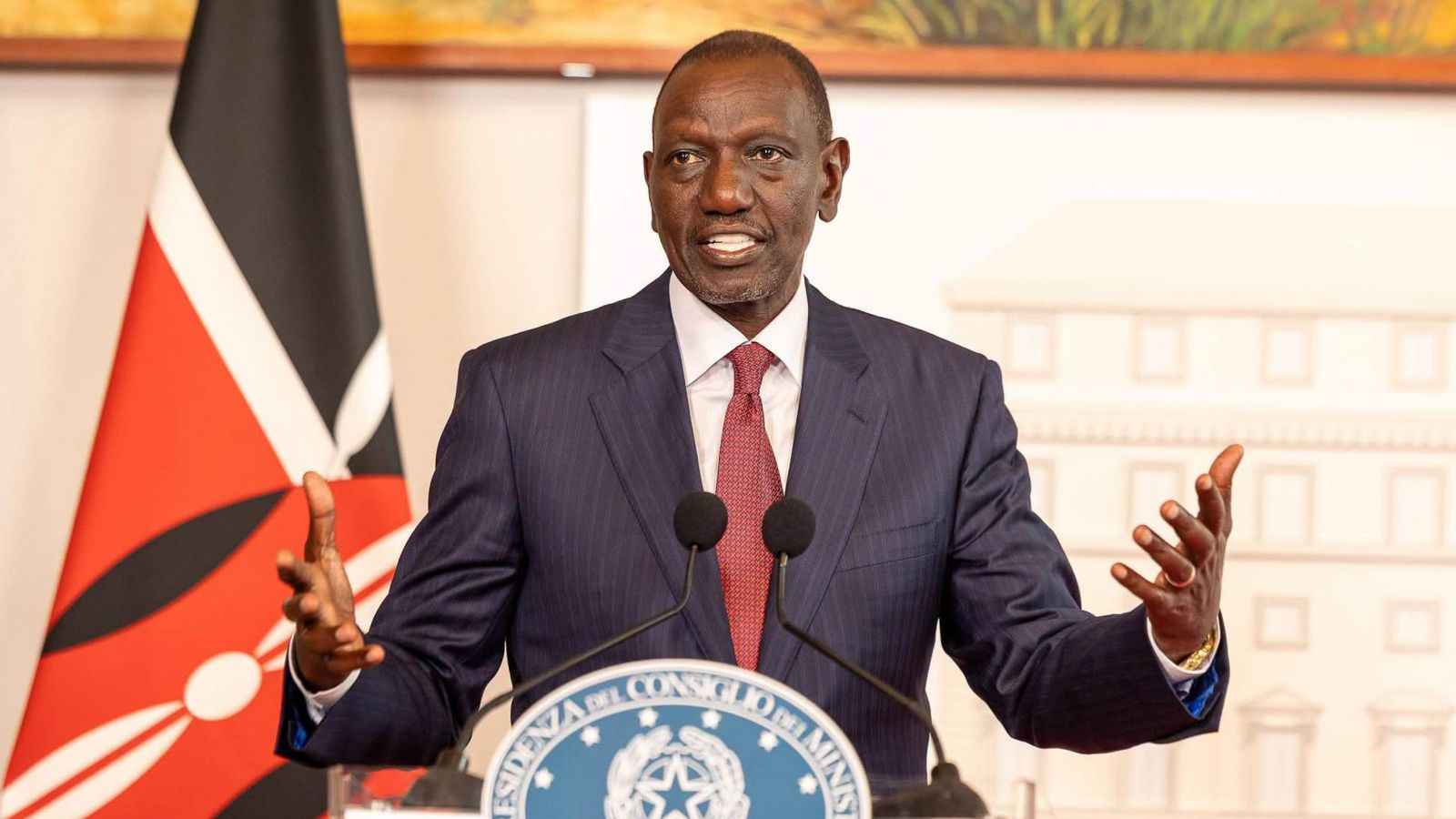
On Thursday, May 7. President William Ruto revealed that there were up to 887,000 ghost students in primary and secondary schools across the country.
Speaking at the National Education Conference in Naivasha, Ruto explained that an audit of students revealed 87,000 ghost students in secondary schools and 800,000 ghost pupils in primary schools.
The President disclosed that the government lost up to Ksh1.2 billion in capitation for the ghost learners.
"We got to know that there were 87,000 ghost students in our secondary schools, students we were paying for capitation, yet they did not exist.
'We had 800,000 pupils in primary school. The government is paying close to Ksh1.2 billion every year for learners that did not exist," Ruto stated.
Read More

The Head of State added that the audit revealed that 200 registered schools were non-existent. Consequently, the government has launched a thorough investigation of school heads and county directors of education.
Consequently, he directed the Ministry of Education to digitise learners' and schools' records, with the help of Konza Metropolis. He noted that digitisation would give the government accurate numbers.
"I have instructed the Ministry that in the next two months, we will work with Konza Technopolis to make sure that we digitise the education details of every learner, school, teachers, bursaries and everything else," Ruto disclosed.
The President further told off school heads who moved to court to challenge the decision to move of school fees payment to the eCitizen platform.
He argued that the move would eliminate fraud, streamline payments and help keep accurate records of school finances.
Meanwhile, Ruto reaffirmed his commitment to bettering the education sector by employing more teachers and improving the educational infrastructure across the country.
He added that the government has also improved the educational funding model and teacher development.
-1782551352.jpg)
-1782549988.jpg)