
Editor's Review
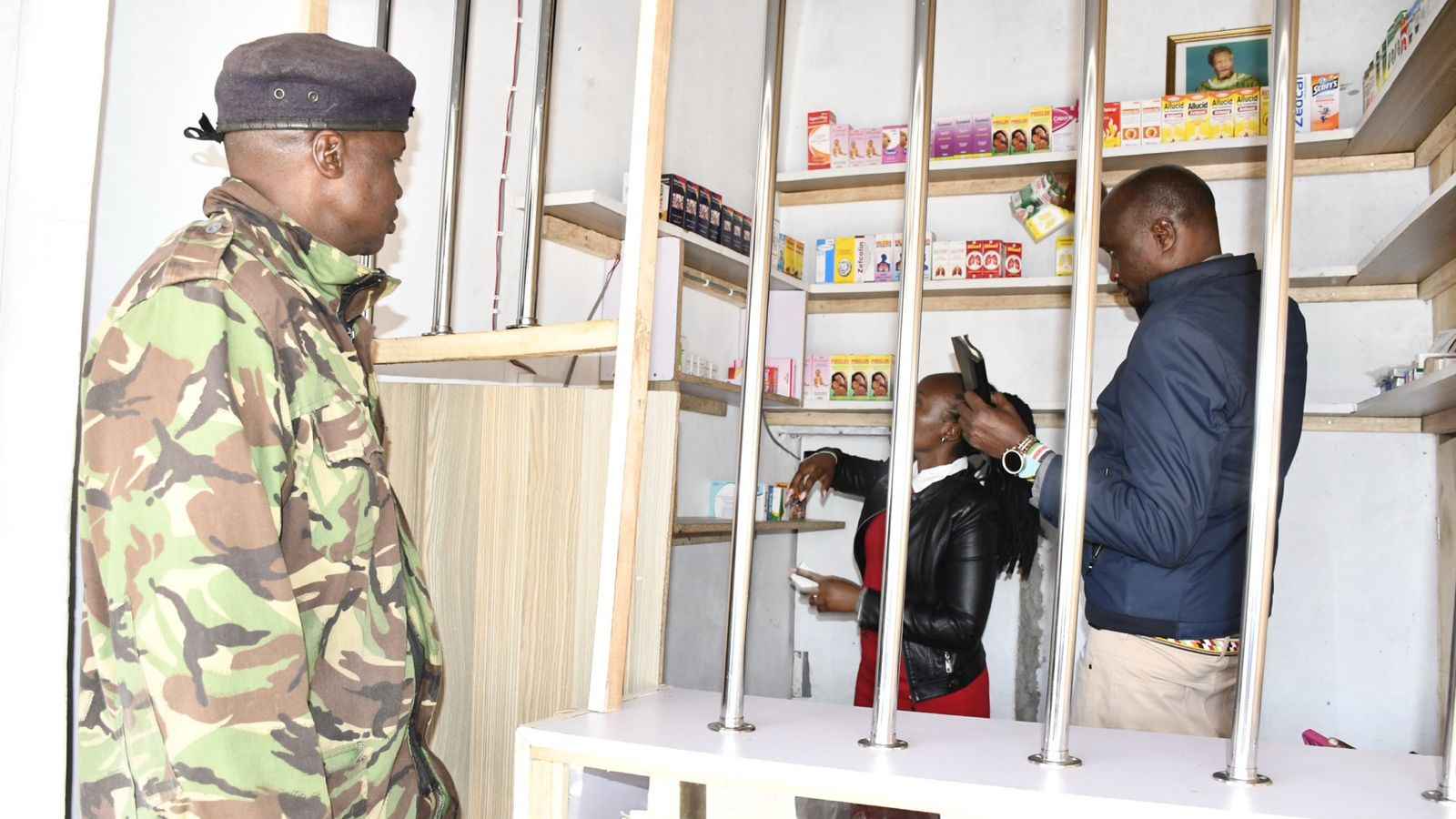
PPB has stepped up enforcement against unlawful pharmaceutical businesses, leading to the arrest of 95 people and the closure of 48 unlicensed drug outlets in Nairobi and Kajiado counties.
The Pharmacy and Poisons Board (PPB) has stepped up enforcement against unlawful pharmaceutical businesses, leading to the arrest of 95 people and the closure of 48 unlicensed drug outlets in Nairobi and Kajiado counties.
In a statement on Monday, June 22, PPB said the week-long operation, which ended on Friday, June 19, targeted pharmaceutical premises across several areas, including Kibra, Korogocho, Eastleigh, Dandora, Mathare, Embakasi, Nairobi West, and Rongai.
According to the board, in total, inspectors visited 155 premises during the exercise.
According to PPB Head of Good Distribution Practices and Enforcement Julius Kaluai, the inspections uncovered widespread violations of pharmaceutical laws and regulations, prompting arrests and legal action against those involved.
"Out of the 155 premises inspected, 95 were found to be operating illegally and the individuals responsible were arrested. The suspects have since been presented before courts in Kajiado, Kibra and Makadara, and we are awaiting the outcome of the cases," he said.
Read More
PPB also shut down 48 outlets that were found to be operating without the necessary licences.
The board said it has collaborated with county governments, security agencies, and the National Police Service to ensure the affected businesses remain closed.
"The premises have been marked and closure notices issued. We have also written to county security commanders, county governments and the National Police Service to ensure the facilities do not resume operations," he added.
According to PPB, during the crackdown, enforcement officers seized about 169 cartons of medicines from the affected premises.
The products remain in custody as the Board awaits court directions regarding their disposal.

Kaluai cautioned that running pharmaceutical businesses without the required approvals is not only unlawful but also poses significant risks to public health.
He urged operators to comply with all regulatory requirements, warning that violators could face prosecution, licence revocation, and other enforcement measures.
Kaluai further advised members of the public to obtain medicines only from pharmacies and chemists that are properly registered and licensed.
"Licensed premises are required by law to display their licences prominently where clients can easily see them. Members of the public should always verify these licences before seeking services or purchasing medicines," he further said.
This comes weeks after PPB issued a public warning over a falsified batch of the cancer drug Phesgo circulating in the Kenyan market.
In a statement on Thursday, May 28, the board said the fake product was discovered during post-marketing surveillance activities conducted to monitor medicines and other health products available in the market.
"During the course of these surveillance activities, the Board has identified a falsified batch of Phesgo (Pertuzumab/ Trastuzumab), Batch Number C5290S20, currently circulating in the Kenyan market," the statement read.
PPB explained that the falsified batch had several differences when compared to the genuine Roche-manufactured Phesgo product.
According to the regulator, Batch Number C5290S20 does not correspond to any authentic Roche batch number.
In addition, the vial in the fake batch contains a white powder instead of the genuine product’s ready-to-use liquid solution.
The board further clarified that authentic Phesgo is supplied as a clear to opalescent, colorless to slightly brownish liquid intended for subcutaneous administration and should never appear in powder form.
"Phesgo is never supplied as a powder and does not require reconstitution. The falsified batch may contain incorrect, insufficient, or harmful ingredients, and its quality, safety, and efficacy cannot be guaranteed," the statement added.
PPB cautioned that use of the falsified medicine poses a serious threat to patients, especially cancer patients relying on the treatment.
The board urged procurement agencies, distributors, wholesalers, retailers, pharmacists, pharmaceutical technologists, healthcare professionals, and members of the public to immediately stop handling the affected batch and report any sightings to the regulator.