Editor's Review
Residents of Rachuonyo West have celebrated the progress of the Karachuonyo Water Intake Project, saying its completion will bring an end to years of water scarcity in the area.
Residents of Rachuonyo West have celebrated the progress of the Karachuonyo Water Intake Project, saying its completion will bring an end to years of water scarcity in the area.
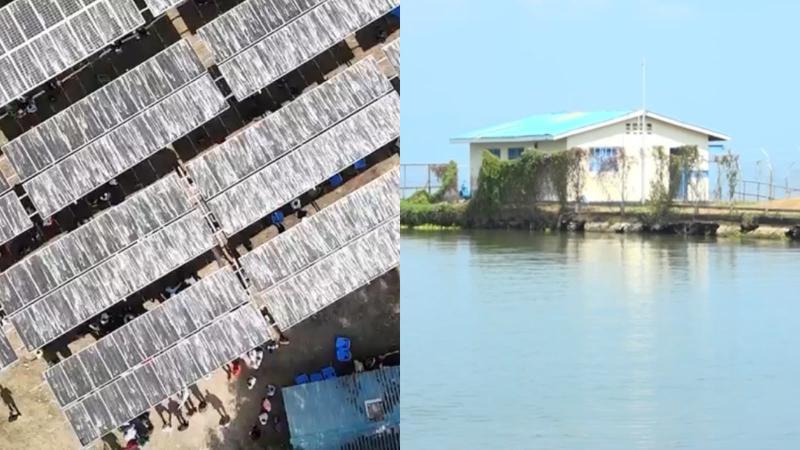
The project has undergone major improvements from Phase One to Phase Two, including the installation of a new pump, increased water storage capacity and a 10-inch pipeline expected to serve more zones.
Residents say the project will ease the burden of accessing clean water, particularly for women who have for years been forced to wake up early to fetch untreated water.
Jackton Ugwenya recalled concerns raised by Interior Principal Secretary Raymond Omollo over the lack of water in several major areas of the sub-county.
Another resident, Anna Akoth Ogola, remembered how women were forced to wake up as early as 3 a.m. to fetch untreated water from Nyangweso Bridge.
Read More
They say the completion of the project will spare future generations the hardships they endured and improve access to clean water in their homes.
According to scheme manager Omondi Odhiambo, the project has undergone significant transformation, with upgraded systems, a new 420-cubic-metre tank and expanded pipelines serving two zones.
"Since this project started with Phase One and now Phase Two, there has been a great change. We have upgraded our systems. We now have a 420-cubic-metre tank, and we can see the pipelines there. We have a 10-inch line serving the same zone up there, the two zones," he said.

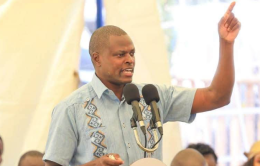
Community water stakeholder Moses Ongoro said the progress demonstrated the importance of leaders listening to the needs of residents, noting that responsive leadership helps solve problems and creates room for peace, development and better services.
"With the introduction of this new pump, we are saying the government has done a good job. When you have leaders who listen to the people, problems actually get solved. There is peace, there is a harmonious relationship, and development can continue," he stated.
Residents say the project has given them renewed hope after years of struggling to access clean and reliable water.
This comes weeks after the government has issued an update on ongoing efforts to revive the fisheries sector around Lake Victoria through an aquaculture project expected to significantly boost fish production.
In a statement on Friday, June 5, Omollo said the project forms part of government interventions targeting economic transformation in lakefront communities.
"For decades, the Lake Victoria region suffered years of neglect, dwindling fish stocks, weak market systems and collapsing incomes that pushed many fisherfolk into economic hardship," the statement read.
Omollo said the government was now prioritizing investments under the Blue Economy agenda to restore economic activity and create new opportunities for communities dependent on fishing.
"The Government, under the leadership of President William Ruto, is reviving the lakefront economy through strategic Blue Economy investments aimed at restoring livelihoods, expanding trade and repositioning the region as a major driver of western Kenya's economic growth," he added.
According to Omollo, one of the flagship projects driving these efforts is the Kabonyo Kanyagwal Regional Fisheries and Aquaculture Training Centre of Excellence located in Kadibo Sub-County, Kisumu County.
"One of the key projects spearheading this transformation is the Kabonyo Kanyagwal Regional Fisheries and Aquaculture Training Centre of Excellence in Kadibo Sub-County, Kisumu County," he further said.
According to the PS, situated on 25 acres, the facility is being developed as a modern aquaculture hub designed to increase fish production capacity, strengthen fisheries training and support commercial cold-chain markets across the Lake Region.
The centre will include a large hatchery equipped with 20 specialized fish ponds, administrative offices, trainee dormitories, staff housing and a modern flood-control canal designed to manage backflow from Lake Victoria and River Nyando overflows.