Editor's Review
Mbadi explained that he had chosen to be subjective because Kenyans had decided to go that route.
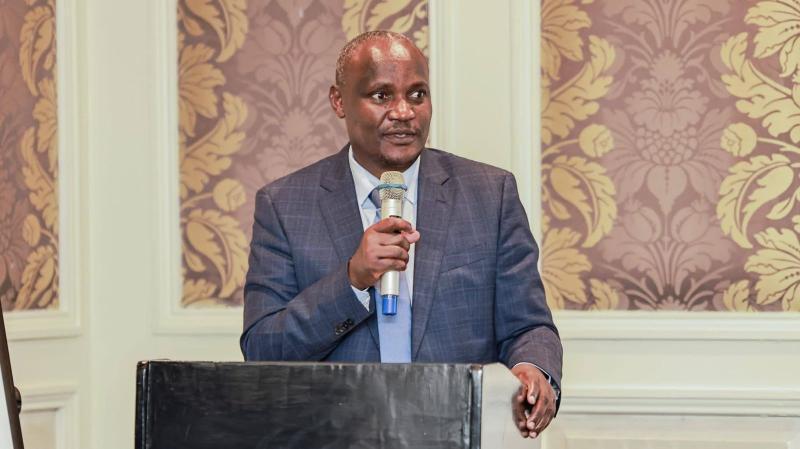
Treasury Cabinet Secretary John Mbadi has explained that he used soda consumption as testimony of Kenya's improved economy because that was the only analogy that the common Kenyan could understand.
Speaking on Thursday, August 20, Mbadi explained that despite using financial indicators like the Gross Domestic Product (GDP) growth, Kenyans still became subjective and kept on questioning.
He intimated that one of the most prominent questions by Kenyans was why they could not see the money in their pockets.
"We have given out the evidence: GDP, foreign exchange, inflation, reserves, and credit rates. When you say that, they claim that they have not seen the money in their pockets.
"I decided that since they wanted to be subjective, I also would, and told them that there was more soda consumption in the country," Mbadi stated.
Read More

The CS explained that the statement was based on data, adding that soda was a luxury that Kenyans could only afford if they had an extra coin to spare.
He defended his position that the economy had improved under the current administration, but cited a financial report of one of the local banks.
"Today, in the newspapers, one of the banks posted profit because non-performing loans dropped from 13 percent to nine percent.
"Why are the numbers reducing? People have more ability, there is more liquidity, and they have the money to pay loans that they could not a year ago," he added.
His sentiments came amid uproar after his bold claim that an increased soda consumption in the country meant that Kenyans had more money in their pockets.
Democracy for the Citizens Party (DCP) Secretary General, Senator John Methu, had called out the CS, terming his argument as infertile. Methu challenged Mabdi to table better evidence to prove that the economy had grown.
"Stop giving us speeches and infertile arguments that more Kenyans are taking soda and therefore, the economy is good. Kenyans don't eat speeches; they want money in their pockets," the Nyandarua Senator declared.
Among the parameters Methu proposed were Kenyans' savings, their take-home after tax, the stability of businesses in the country and returns from economic activities such as farming.