
Editor's Review
"You cannot speak to us like that if you want to invest in our country."
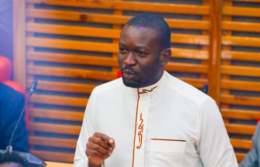
Nairobi Senator Edwin Sifuna has called out Businessman Aliko Dangote over claims that he would deal with anyone who tries to cause problems with the Lamu Oil Refinery.
Speaking in the Senate on Wednesday, September 30, Sifuna termed Dangote's statement reckless, especially from an entrepreneur who wants to invest in the country.
He told the investor that every concern raised by Kenyans was valid and should be addressed effectively and with courtesy.
"You cannot speak to us like that if you want to invest in our country. There is nothing wrong with explaining things to our people. Why is it so difficult?" Sifuna posed.
The Nairobi Senator reiterated that as Linda Mwananchi, they were not against development, as long as it is done within the confines of the values enshrined in the Kenyan Constitution.
Read More

He questioned why neither house of Parliament - the National Assembly or the Senate - had been furnished with documents about the huge project.
"We are members of Parliament, and I can assure you that none of us has seen the agreement on that refinery. None of us knows the commitments that this country has given for that refinery to be built.
"It is incumbent upon the government to let us see these documents. I don't understand how contracts of projects worth Ksh2 trillion are hidden from the people," he reiterated.
Sifuna promised that Linda Mwananchi will ensure that the values in Article 10 will be adhered to when they form the next government.
His remarks came after Dangote brushed off a petition filed in court seeking orders to stop the establishment of the Dangote Oil Refinery in Lamu County.
The investor said that litigation challenging his projects were common place in Africa, and vowed to put up a fight in court with anyone trying to stop the project.
He intimated that in Senegal, the court battles escalated to the Supreme Court, which granted him orders to set up his factory after two years.