Editor's Review
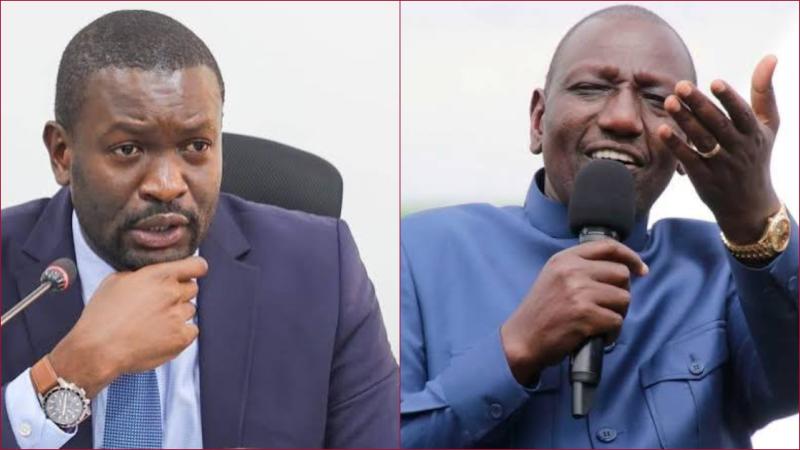
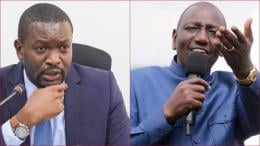
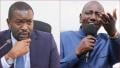
President William Ruto has turned a critique of the Social Health Authority (SHA) by Nairobi Senator Edwin Sifuna against the senator.
The president was reacting to remarks Sifuna, the Linda Mwananchi leader, made at a meeting in Dallas, Texas, during his US tour.
Sifuna told his audience that SHA makes people register and pay before they can get care.
He said the scheme should exist to provide treatment, not to register members. In making the point, he described how members pay a small amount, and the scheme then covers a very large bill.
Sifuna said healthcare would be free if he gets elected.
Read More
"People are being cajoled into registering. People only register for SHA when they fall sick; they then pay the small fee for the scheme to pay for a Ksh1 million surgery. We can guarantee you that you will receive healthcare whether you are registered or not because SHA should be a healthcare service provider, not a registration agency," Sifuna said.
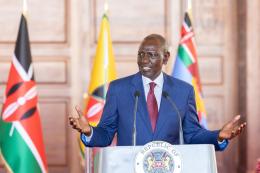
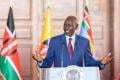
Speaking Sunday, November 29, at an interdenominational church service in Malava, Kakamega County, Ruto suggested Sifuna had contradicted himself, noting that the example Sifuna gave shows the scheme doing what it was built to do.
The senator has been among opposition figures arguing that SHA is failing and cannot be relied on.
Ruto seized on the surgery example.

He wondered why Sifuna would be surprised that a person paying a small sum could end up with a Ksh1 million bill settled by SHA, arguing that that is how the scheme is meant to work.
Ruto described it as the basic logic of social insurance.
"They are surprised that in SHA, a citizen pays Ksh2,000 then a service of Ksh1 million is rendered to them. Yes, that's how it is supposed to be. That is what we call pooling insurance; that's how social insurance works," Ruto said.
He said ordinary Kenyans were entitled to social insurance and that if the opposition expected them to pay such bills themselves, that revealed how little it had to offer.
"You are surprised that an ordinary person has social insurance. Just to show the emptiness of your plan, if you have any. If you are shocked that a person paying Ksh2,000 ends up being paid for by SHA Ksh1 million, so you expected an ordinary person to pay such a huge bill?" Ruto said.
The president observed that politics should be about the concerns of ordinary people, and he challenged the opposition to bring ideas and use its judgement.
He said that when he and his allies call the opposition empty, they do so because its leaders have shown it themselves.
Government officials have also defended the registration requirement that Sifuna criticised.
They say SHA pays hospitals on the basis of services actually delivered, so facilities must show who received each service, even for free primary care. Without that evidence, they argue, facilities could invent patients.
They describe the change as the biggest reform the government has made to health financing. In the past, public hospitals received annual allocations to spend as they chose.
Now money follows patients, and officials say funds once lost to misuse now reach facilities to restock medical supplies.
SHA began operating in October 2024, replacing the National Hospital Insurance Fund (NHIF).
Salaried workers contribute 2.75% of gross pay, with a minimum monthly contribution of KSh 300, and the household income of informal-sector members is estimated to work out a contribution at the same rate.
Kenyan regulations entitle every resident to primary health care, and SHA said in August 2026 that more than 10 million people had used free services at that level.
Enrolment is much larger than contribution. SHA enrolment has reached 32.2 million but only about five million members are paying premiums.
Ruto has said the government will pay contributions for more than 550,000 vulnerable households.
In July, he announced SHA cover for all Community Health Promoters (CHPs).
Sifuna and his colleagues in the opposition have made SHA a campaign target. They argue that hospitals lack drugs and people are not getting the services they need because of the scheme, promising to abolish it if elected.
Opposition leaders have pledged to review policies including the Affordable Housing Programme, the university funding model and SHA, and Ruto has accused them of lacking an agenda.
-1795942151-md.jpg)
-1795942151-sm.jpg)