
Editor's Review
How global sporting events are creating new digital experiences: second-screen apps, fan communities and sports technology reshaping engagement in 2026.
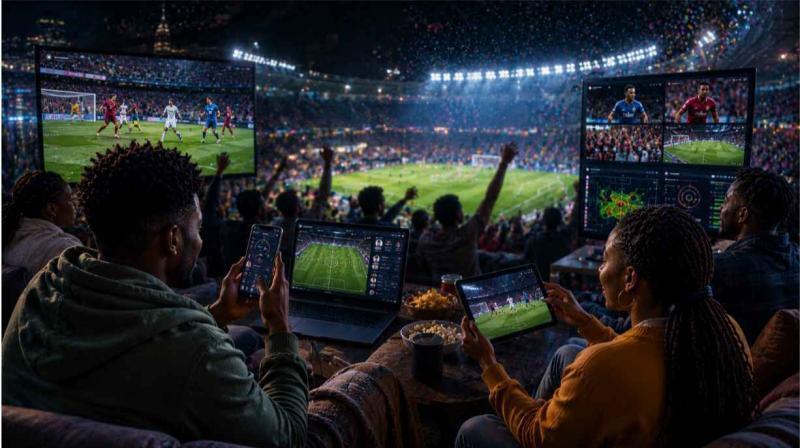
A World Cup match or an Olympic final is no longer a single broadcast watched from a couch. It is a stadium event, a live stream, a second-screen app, a group chat, and a fantasy league scoring update, all happening simultaneously for the same viewer. Sports events have expanded into layered digital experiences that extend far beyond the 90 minutes on the pitch or the duration of a single race.
Sports Beyond the Stadium
The stadium remains the emotional center of live sport, but attendance figures no longer represent the true audience for a major event. A World Cup final might have 80,000 people in the venue and over a billion watching across broadcast and digital platforms combined.
That gap between physical and digital audiences has forced organizers, broadcasters, and sponsors to think about the event as a multi-platform product rather than a single television broadcast. Every major tournament now has a companion app, social media strategy, and digital content plan built alongside the broadcast rights deal.
Global sports audience growth has been driven significantly by markets outside the traditional broadcasting centers of Europe and North America. Africa's football viewership for major tournaments has grown consistently, with mobile streaming numbers for continental and international competitions increasing year over year as connectivity improves.
Read More
Mobile and Second-Screen Experiences
Live event streaming on mobile devices has become the primary way many fans across Africa follow major sporting events, particularly when the event takes place in a time zone that makes traditional broadcast viewing inconvenient.
Second-screen interactions, where a fan watches the main broadcast while simultaneously engaging with a companion app, have become standard for major tournaments. The following features are now common across second-screen apps for major global sporting events:
- Live win probability updates: the app recalculates the likelihood of each outcome after every significant play or score, keeping fans informed in real time.
- Multi-camera angle selection: viewers choose their own broadcast perspective instead of relying on a single fixed feed from the main broadcaster.
- Real-time chat and reactions: fans watching the same moment can comment and react together, creating a shared moment despite being in different locations.
- Automated highlights: key moments are compiled and made available within minutes of happening, without waiting for a producer to edit them manually.
These features turn a passive viewing experience into something closer to an interactive session, which increases the total time fans spend engaged with the event.
Fan Communities and Interactive Content

The period between matches, not just the matches themselves, has become a significant part of how fans follow major tournaments. Digital fan experience now includes prediction games, fantasy leagues, and social content that keeps engagement alive during the gaps between live events.
Platforms that combine entertainment, sports content, and interactive features have built strong followings around major tournaments. Services like PinUp, alongside dedicated sports apps and fan community platforms, provide spaces where supporters discuss matches, follow statistics, and engage with tournament content between live events.
Fan communities built around specific tournaments or teams generate content that outlasts the event itself. Highlight compilations, tactical breakdowns, and fan reactions continue circulating on social platforms for weeks after a major final, extending the commercial and cultural life of the event significantly.
The Role of Technology
Sports technology underpins every digital layer described above. Optical tracking systems, low-latency streaming infrastructure, and cloud-based content distribution networks make it possible to deliver live statistics, multiple camera feeds, and instant highlights to millions of simultaneous users without noticeable delay.
The table below shows how technology investment for major global sporting events has shifted between 2022 and 2026:
| Technology Area | 2022 Investment Focus | 2026 Investment Focus |
| Broadcast infrastructure | Primary focus | Secondary, still essential |
| Mobile streaming quality | Emerging priority | Primary focus |
| Second-screen app development | Limited | Standard for major events |
| AI-generated content and highlights | Experimental | Widely deployed |
This shift reflects how organizers now treat mobile and interactive experiences as core to event delivery rather than supplementary additions to the broadcast.
What the Future Holds
Upcoming tournaments will likely integrate more personalized content delivery, where the second-screen interface adapts based on which teams or players a specific fan follows most closely. AI-generated commentary in local languages is also expected to expand access for audiences who have historically been underserved by English or French-language broadcasts.
In conclusion, global sporting events have evolved into digital ecosystems that extend well beyond the physical venue. The organizations and platforms that understand how fans actually consume these events, across screens, time zones, and community spaces, will continue to define how the next generation of tournaments reaches its global audience.





 (1)-1791959267-sm.jpg)

-1790920987-sm.jpg)