
Editor's Review
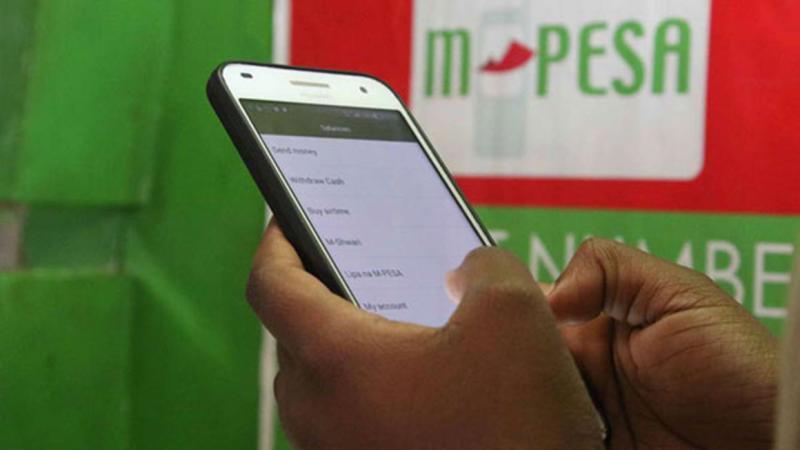
Safaricom has explained why M-PESA statements appear with redacted phone numbers and the process customers must follow if they want to access a full version.
Safaricom has clarified why M-PESA statements appear with redacted phone numbers and explained the process customers must follow if they want to access a full version.
In a statement on Monday, March 9, Safaricom explained that the redaction of phone numbers is part of its compliance with data protection regulations.
"The phone numbers are redacted due to the data protection policy. Once you request for a statement, an SMS is sent with the password to enable you access the statement," the company said.
Safaricom further clarified that customers who require the complete, unblurred version of their M-PESA statement must provide an abstract to facilitate the process.
"To access an unblurred statement can only be done from a Safaricom shop and you need to get an abstract to acilitate the process," the company added.
Read More

This comes weeks after David Mokaya, a university student charged in court for publishing false information on President William Ruto, announced that he will sue Safaricom.
In a press statement, Mokaya's lawyer Danstan Omari accused Safaricom of violating the Data Protection Act by allegedly sharing his client's location with the police without a court order.
Omari claimed that the Telco giant also undermined Mokaya's dignity and right to privacy guaranteed by the Constitution of Kenya.
"This is a violation of the fundamental human right of Mokaya. We shall be moving to the High Court because our client's constitutional fundamental right was violated.
"We have demanded Ksh200 million. We shall also be asking for legal fees to be provided by Safaricom because this trend must stop," he revealed.
Omari issued a demand letter to Safaricom, giving it up to Monday to pay Mokaya the money.
The lawyer maintained that officers from the Directorate of Criminal Investigations (DCI) were not allowed to request mobile service providers for the location of Kenyans without a court permit.
Omari further disclosed that he would seek guidance from the court on whether DCI officers were allowed to confiscate suspects' phones and other gadgets.
"The question of police officers arresting people and the first thing they take is a handset, no law allows police to take possession of phones until a court order is issued," the lawyer stated.
Omari hinted that he would follow up on other cases where police arrested suspects after mobile service providers disclosed their location.


 (1)-1791178178-md.jpg)



 (1)-1791178178-sm.jpg)