Editor's Review
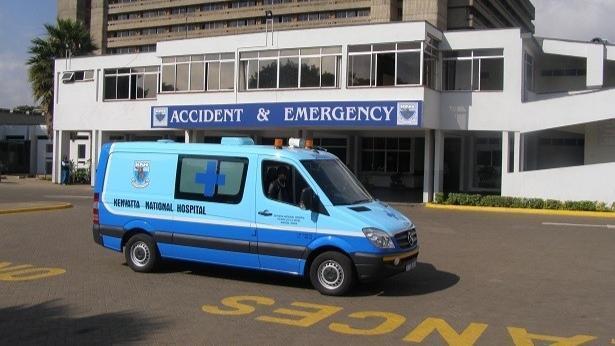
Kajiado Senator Kanar Seki has raised alarm over a shortage of blood collection bags at Kenyatta National Hospital.
Kajiado Senator Kanar Seki has raised alarm over a shortage of blood collection bags at Kenyatta National Hospital.
Earlier Thursday, March 19, Seki has demanded a statement from the Senate Standing Committee on Health, seeking urgent clarification on the situation at the referral hospital.
The lawmaker noted that despite the presence of willing donors, the shortage of blood collection bags has halted donation efforts.
According to Seki, those most affected include accident victims, mothers facing childbirth complications, surgical patients, and individuals with chronic conditions.
In his demands, he called for a detailed account of the availability of blood collection bags and related supplies not only at KNH but also across other public referral health facilities nationwide.
Read More
Seki further pressed for data on the number of potential donors turned away due to the shortage, as well as an assessment of how the disruption has impacted patient care.
At the same time, the senator is seeking answers on the root cause of the crisis, including when the Ministry of Health Kenya was first made aware of the shortage.
Seki also urged the committee to outline both immediate and long-term measures being taken to address the situation.

Elsewhere, Kajiado Governor Joseph Ole Lenku has come under intense scrutiny in the Senate over accountability concerns surrounding missing title deeds, a Ksh21.3 million budget deficit, and critical staffing shortages in county health facilities.
Appearing before the Senate County Public Investments and Special Funds Committee on Thursday, Ole Lenku was put on the spot following findings in the Auditor-General’s 2024/2025 report, which flagged gaps in asset documentation, funding inconsistencies, and a workforce deficit in the county’s health sector.
Committee chair, Vihiga Senator Godfrey Osotsi, raised alarm over delays in securing ownership documents for public health facilities, warning that the situation exposes critical infrastructure to risk.
"Public assets must be safeguarded through proper documentation. Without title deeds and updated registers, you expose critical health infrastructure to legal and financial risk," he said.
The audit revealed that several facilities were operating with allotment letters instead of title deeds, while some county vehicles lacked logbooks.
In response, Ole Lenku acknowledged the shortcomings and pointed to ongoing efforts to resolve the issues.
"We have engaged the National Land Commission and expect title processing to be concluded by June. Logbook transfers are ongoing after resolving KRA-related bottlenecks," he said.
Attention also turned to financial management at Ngong Subcounty Hospital, where a Ksh21.3 million budget deficit was recorded.
Ole Lenku attributed the shortfall to disruptions caused by a health workers’ strike as well as delayed disbursements from NHIF and SHA, but maintained that essential services were maintained.
"Despite these constraints, we prioritized essential services and are strengthening financial monitoring systems," he stated.
Further scrutiny was directed at Kajiado County Referral Hospital, which is grappling with a 54 per cent staffing deficit alongside inadequate medical equipment.
Seki urged the county government to take urgent corrective measures.
"A level five hospital cannot function optimally with such glaring shortages. These gaps must be addressed decisively," he noted.
In his defense, Ole Lenku highlighted steps taken to improve the situation, including the recruitment of 400 health workers in 2025, expansion of ICU and HDU capacity, and the completion of a new 150-bed ward.
"We are transitioning progressively to meet level five standards," he stated.

 (1)-1791178178-md.jpg)
 (1)-1791178178-sm.jpg)