The National Police Service (NPS) has defended its proposed Ksh1.9 billion allocation for VIP protection and security of government installations.
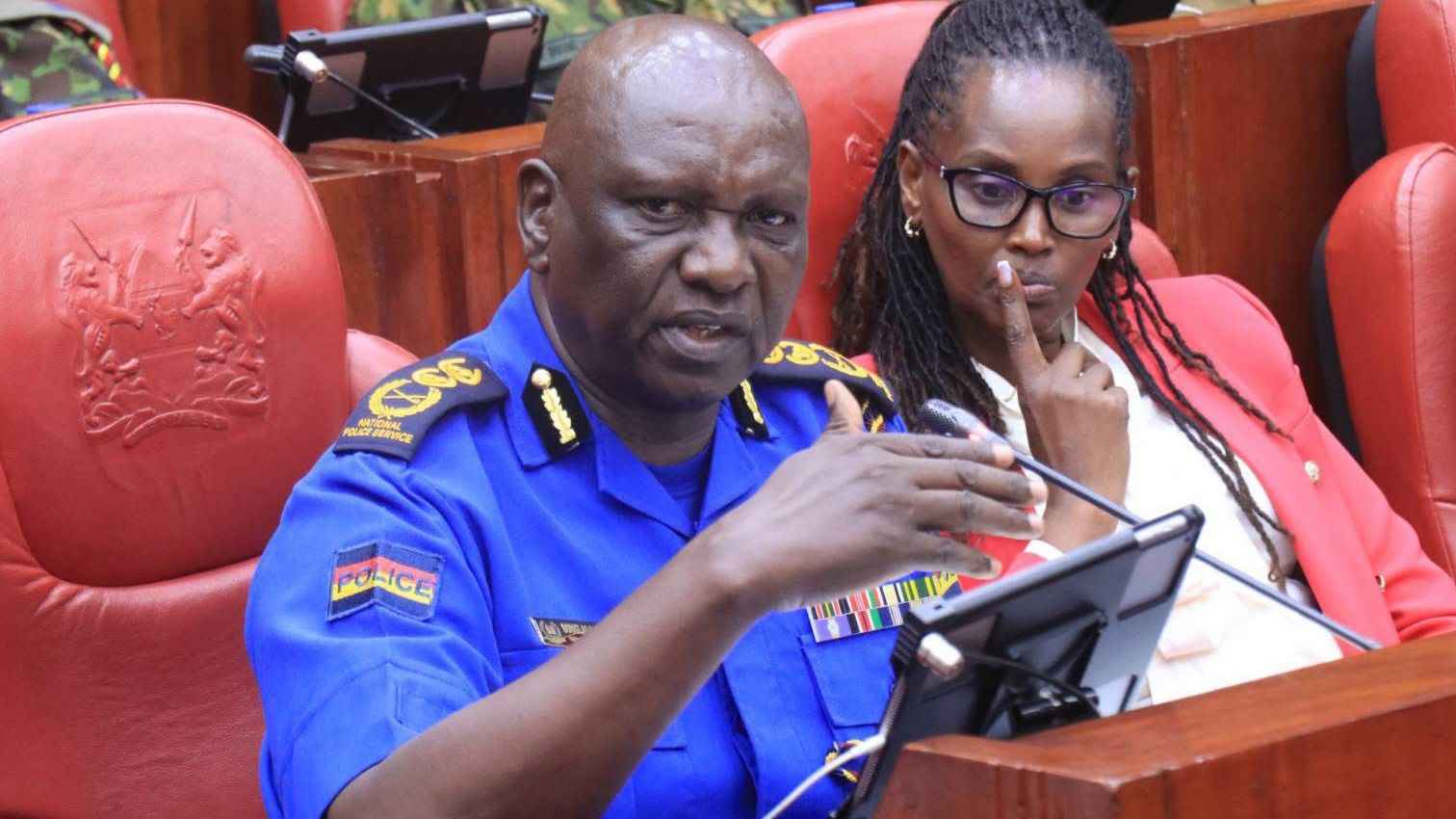
During a session of the National Assembly Departmental Committee on National Administration and Internal Security on Monday, May 11, Members of Parliament questioned the expenditure amid the country’s ongoing economic pressures.
The lawmakers scrutinised the 2026/2027 budget estimates and raised concerns over whether the funding priorities matched the realities facing ordinary police stations across the country.
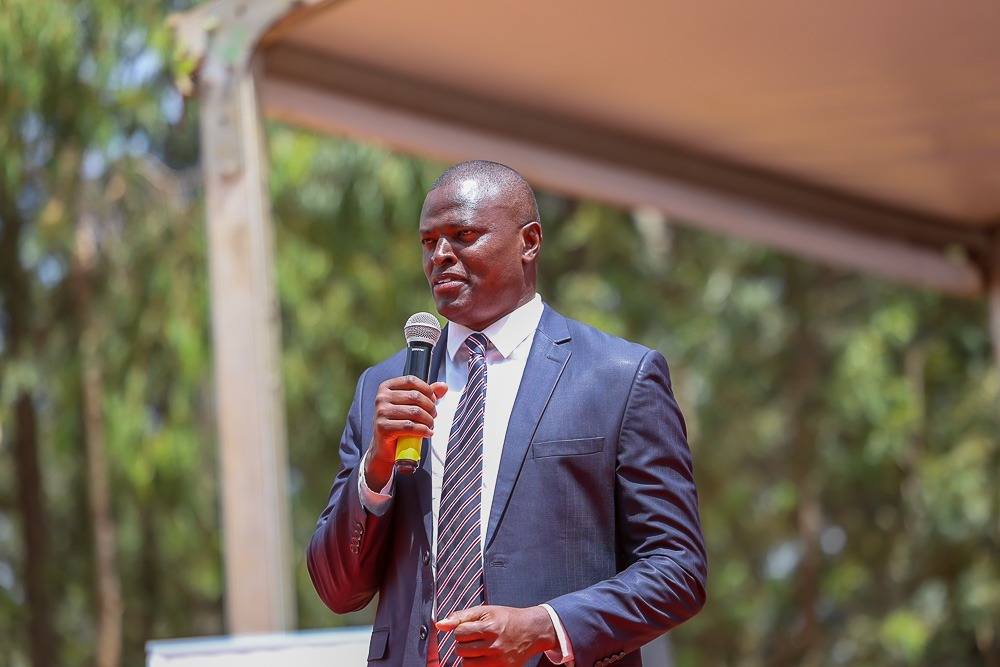
Committee Chairperson Gabriel Tongoyo challenged police officials to justify the large allocation, arguing that officers deployed to institutions such as Parliament and the Judiciary are often catered for under separate institutional budgets.
"Maybe explain to members exactly what this is meant for," he said.
Read More
Tongoyo criticised the state of many police stations, describing conditions in some facilities as poor while questioning why nearly Ksh2 billion was being directed toward VIP security.
MPs also pressed officials to explain another allocation estimated at between Ksh5 billion and Ksh6 billion meant for ward policing and operations at police stations, seeking details on how the funds would improve security services and infrastructure.

National Police Service Secretary Administration and Accounting Officer Bernice Lemedeket told the committee that the government had recently shifted police officers and prison warders from private medical insurers to the Social Health Authority’s Public Officers Medical Scheme Fund following a directive issued on March 31.
The transition affects more than 140,000 officers who were previously insured under private firms including APA Insurance, Britam, First Assurance and Jubilee Insurance.
According to Lemedeket, the new arrangement is designed to mirror the medical cover available to civil servants and teachers, although implementation difficulties have already emerged.
"It’s like-for-like. We were doing about Ksh8.6 billion for medical insurance and Ksh4.2 billion for group life cover," she said.
Lemedeket also warned that persistent underfunding had severely affected police insurance programmes, especially group life cover that handles compensation for injuries, deaths and funeral expenses.
"Most of the time you see widows and widowers camping at the Inspector General’s office asking for compensation because insurers cannot process claims without full premium payments," she added.
Chief Finance Officer Arthur Nduati explained that the VIP protection budget was not entirely a fresh allocation but had previously existed under the Critical Infrastructure Protection Unit before being separated into its own budget line.
He clarified that the bulk of the Ksh1.8 billion allocation would go toward salaries for newly recruited officers tasked with guarding key government facilities.
"Out of the Ksh1.8 billion allocated to that item, Sh1.8 billion is for salaries, leaving only Sh66 million for Operations and Maintenance," Nduati said.
Nduati further stated that the increased ward policing allocation would mainly support salaries for incoming recruits, improve food rations for suspects in custody and strengthen security operations countrywide.
Officials additionally revealed that the service continues to face significant financial shortfalls, including a requirement of more than Ksh2 billion for medical insurance and another Ksh8 billion for group life cover.
The committee was also informed that pending bills related to the long-awaited police hospital had been fully factored into the upcoming budget to enable the facility to begin operations.
At the same time, Inspector General of Police Douglas Kanja appealed for financial support to modernise the police air wing, revealing that only three aircraft are currently operational.
"We have three operational aircraft, two fixed-wing aircraft and one Mi-17 helicopter but we have nine aircraft at the hangar that can be restored with some investment," he said.
Kanja disclosed that Ksh102 million had already been allocated for refurbishment of the Mi-17 helicopter and repairs on another grounded aircraft.
He also urged lawmakers to support the acquisition of two additional fixed-wing aircraft to improve police surveillance, disaster response and operational mobility.
"We are almost starting from scratch and we need a lot of support in that direction," he told the committee.
-1782551352.jpg)
-1782549988.jpg)