Editor's Review
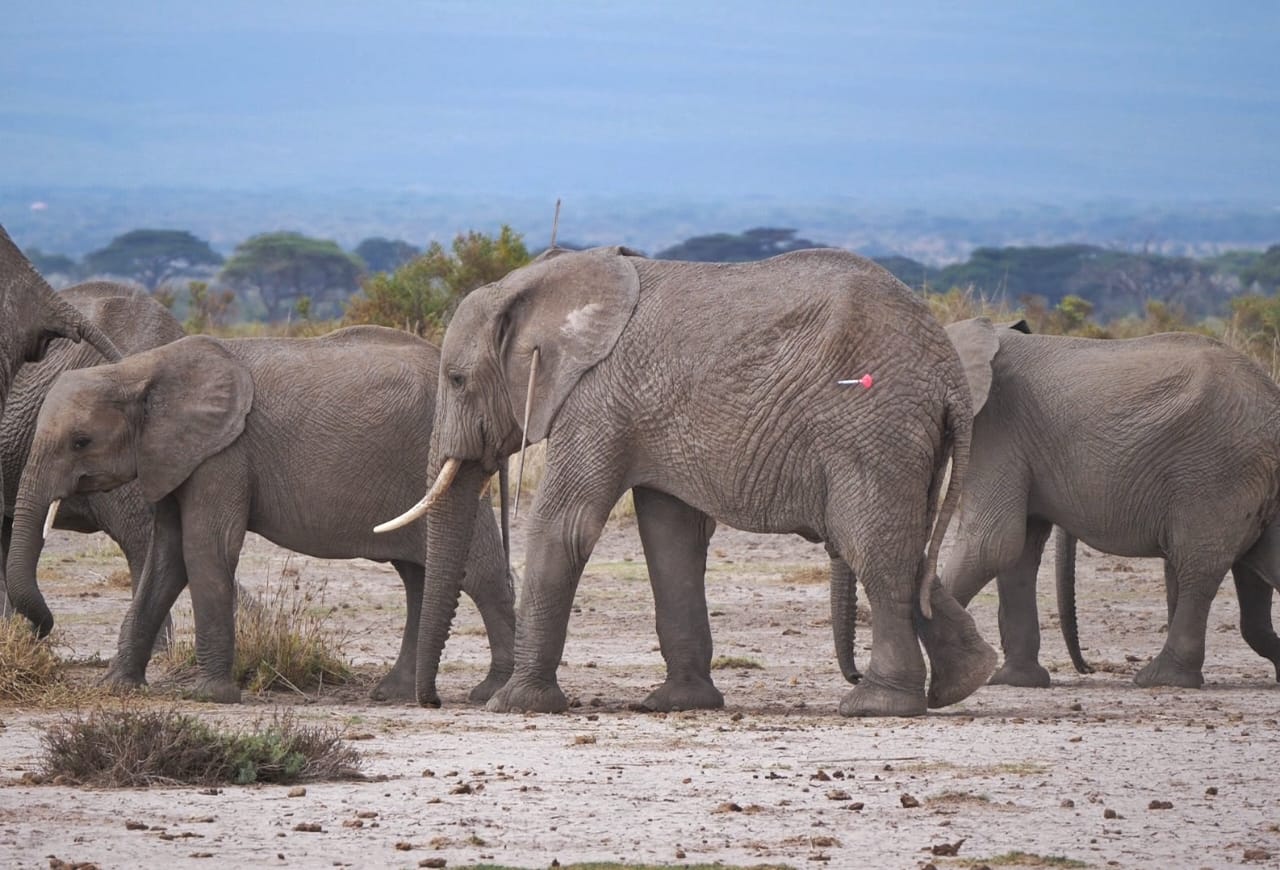
The Kenya Wildlife Service (KWS) has ruled out an infectious or transmissible disease as the cause of the deaths of 16 elephants in the Amboseli-Kimana-Kitenden ecosystem.
The Kenya Wildlife Service (KWS) has ruled out an infectious or transmissible disease as the cause of the deaths of 16 elephants in the Amboseli-Kimana-Kitenden ecosystem.
In a statement on Friday, August 7, KWS said preliminary investigations pointed to cyanide poisoning.
The 16 elephants died between June 24, 2026 and July 31, 2026 across the ecosystem.
According to KWS, the dead elephants mainly comprise adult females and calves that showed weakness and partial paralysis in their limbs.
“Importantly, findings to date do not indicate an infectious or transmissible disease,” the service stated.
Read More

KWS noted that it deployed veterinary and scientific teams from Nairobi, Tsavo and Amboseli immediately after the first case was reported on July 24.
The teams conducted post-mortem examinations on the elephants, collected samples and intensified surveillance.
The service also said it is working with the Government Chemist and the University of Nairobi to carry out toxicological, microbiological and other laboratory analyses.
“KWS is working with the Government Chemist and the University of Nairobi to undertake toxicological, microbiological and related laboratory analyses of samples collected from the dead elephants,” the statement read.
KWS mentioned that laboratory findings by the University of Nairobi indicate that cyanide poisoning is the most likely cause of the elephant deaths.
However, the service said it is awaiting the completion of confirmatory tests to verify the findings and determine the source and pathway of exposure.
“KWS is awaiting completion of confirmatory testing to align laboratory findings with individual case records, and to trace the exposure pathways and origin,” KWS stated.
Further, KWS said it has requested the Pest Control Products Board (PCPB) to lead a multi-agency technical team to determine whether crop protection chemicals or other pesticides may have been improperly used, stored or disposed of in the ecosystem.
The service is also examining whether giant star grass (Cynodon plectostachyus), a cyanogenic species, could have contributed to exposure.
"The Kenya Wildlife Service is committed to establishing the facts and keeping the public informed every step of the way," KWS Director General Erustus Kanga said.
The development comes a week after KWS announced a significant rise in visitor numbers to the country's national parks and reserves.
In a statement on Friday, July 31, the agency said the surge in local visitors has also translated into a sharp increase in revenue.
KWS said the gains in revenue have been driven by strategic improvements in marketing, better revenue collection systems, and the continued rise in domestic tourism.
"Kenya Wildlife Service has recorded a threefold increase in revenue - driven by stronger marketing, improved revenue management, and the continued growth of domestic tourism," the statement read.
KWS Director General Prof. Erustus Kanga said Kenyans continue to play a central role in conservation efforts, noting that domestic tourists now account for the majority of visitors to the country's protected areas.
He revealed that national parks and reserves have welcomed a record 3.5 million visitors this year, highlighting growing public interest in wildlife and natural heritage.
"This year alone, 3.5 million visitors have experienced Kenya's national parks and reserves, up from 2 million, a testament to growing public appreciation for our natural heritage," the statement added.



-1790079960.jpg)