Editor's Review
The government has cancelled the licences of eight manufacturers of second-generation alcohol as part of an intensified crackdown on illicit alcohol and narcotic drug cartels.
The government has cancelled the licences of eight manufacturers of second-generation alcohol as part of an intensified crackdown on illicit alcohol and narcotic drug cartels.
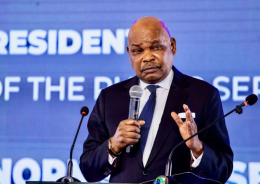
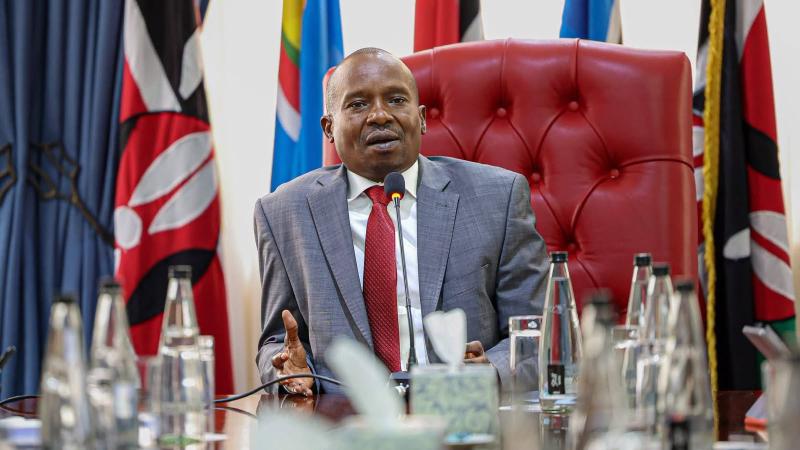
In a statement on Wednesday, October 7, Deputy President Kithure Kindiki said the government had escalated enforcement against criminal networks involved in the production and distribution of illicit alcohol, with intelligence-led operations being coordinated through a multi-agency command.
"The Government has stepped up the war against cartels involved in illicit alcohol and narcotic drugs. Ruthless enforcement through covert intelligence operations will continue, under centralized multi agency command," he wrote.
Kindiki said the eight manufacturers were among 36 second-generation alcohol manufacturers whose licences had been suspended in 2024 over non-compliance with public health, environmental, security and quality regulations.
"Out of the 36 manufacturers of second generation alcohol whose licenses had been suspended in 2024 for non-compliance with public health, environment, security and quality regulations, 8 of them have been cancelled while the 26 that subsequently complied are going to be re-inspected afresh with immediate effect," he added.
Read More

Kindiki said the government had also established a high-level team to oversee enforcement efforts and work with stakeholders in tackling illicit alcohol and drug cartels.
"A Multi Sectoral High Level Team has been established to be chaired by the Deputy President every two weeks to work with all stakeholders including industry representatives and local communities to monitor enforcement and to help in identifying criminal cartels and also assist to rehabilitate the victims of crime associated with illicit alcohol and drug cartels," he noted.
Kindiki said new legislative measures would be proposed to tighten controls on ethanol imports and deter the diversion of industrial ethanol for the production of illicit alcohol.
"New legislative measures will be recommended within a month to regulate importation of ethanol and to make it painful to adulterate alcohol or to divert ethanol meant for industrial use," he further said.
Kindiki also warned individuals producing illicit alcohol in local communities and urban areas that they would face severe action as part of the ongoing crackdown.
"Those making illicit alcohol in dark corners in local communities and urban environments will also be identified, severely punished and their networks crashed.
"The Zero Tolerance Initiative to illicit alcohol and drug cartels will not entertain any political or other interferences whatsoever," he concluded.
This comes days after Kindiki announced the government’s plan to establish at least one public rehabilitation centre in every county.
In a statement on Tuesday, September 29, DP Kindiki said the initiative will be implemented jointly by the national and county governments, and each facility is expected to cost Ksh60 million.
The Deputy President also said the rehabilitation centers will be built within the next year.
"The National and County Governments will partner to build and operate at least one public rehabilitation centre per County within the next one year, at an estimated cost of 60 million shillings per facility," he said.
According to Kindiki, the initiative is part of the government’s plan to combat illicit alcohol and drug abuse in the country.