
Editor's Review
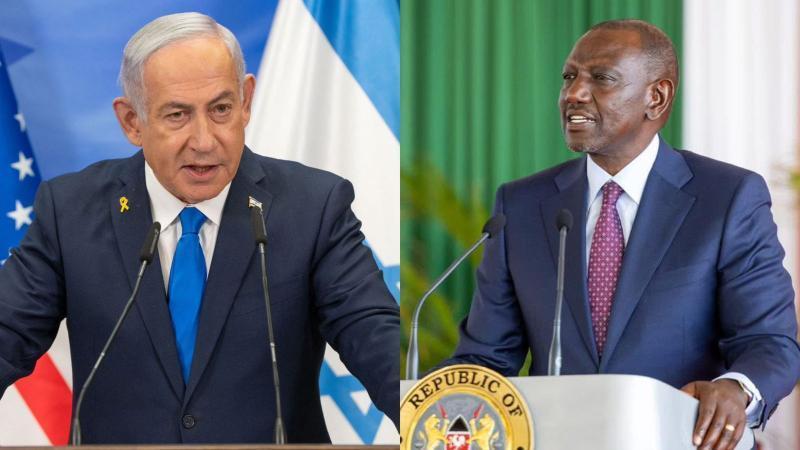
The East African Community (EAC) has stated its position in the ongoing diplomatic tensions between Somalia and Somaliland.
The East African Community (EAC) has stated its position in the ongoing diplomatic tensions between Somalia and Somaliland, reaffirming its support for Somalia’s sovereignty and territorial integrity.
In a statement on Sunday, December 28, the EAC made it clear that it does not recognise Somaliland as a separate state.
"The East African Community (EAC) recognises the Federal Republic of Somalia as a single sovereign state under the authority of the Government of the Federal Republic of Somalia," the statement read.
The EAC further explained that its stance is fully aligned with the African Union’s legal and policy framework, particularly the AU’s position on the preservation of member states’ territorial integrity.
"The East African Community (EAC) notes and aligns with the position expressed by the African Union as reflected in the Constitutive Act of the African Union and relevant decisions concerning the sovereignty and territorial integrity of the Federal Republic of Somalia," the statement added.
Read More
Referencing its own founding legal instruments, the EAC stressed that its recognition of Somalia is grounded in the borders the country inherited at independence.
"In accordance with the Treaty for the Establishment of the East African Community, the EAC recognises the Federal Republic of Somalia with its borders inherited at independence," the statement further read.
EAC urged all parties involved in the dispute to respect Somalia’s unity and to engage responsibly within recognised legal frameworks, warning against actions that could undermine regional stability.
"The EAC calls for respect for the unity and territorial integrity of the Federal Republic of Somalia and urges all stakeholders to act within established regional and international legal frameworks relating to sovereignty and territorial integrity of states," the statement concluded.

This comes days after the African Union rejected Israel’s decision to recognize Somaliland as an independent and sovereign state, insisting that Somaliland remains part of the Federal Republic of Somalia.
In a statement on Friday, December 26, the African Union Commission said its chairperson had taken note of the development with deep concern and rejected any recognition of Somaliland, reiterating the AU’s commitment to Somalia’s unity and sovereignty.
"The Chairperson of the African Union Commission rejects any recognition of Somaliland and reaffirms the African Union's unwavering commitment to the unity and sovereignty of Somalia. The Chairperson of the African Union Commission, H.E. Mahmoud Ali Youssouf, has taken note, with deep concern, of recent developments relating to Somaliland," the statement read.
The commission further emphasized that its position is rooted in the Constitutive Act of the African Union and the long-standing principle of respecting borders inherited at independence.
"In this regard, the Chairperson of the Commission unequivocally reaffirms the longstanding and consistent position of the African Union, grounded in the principles enshrined in the Constitutive Act of the African Union, in particular the respect for the intangibility of borders inherited at independence, as affirmed by the 1964 decision of the Organization of African Unity," the statement added.
The AU warned that recognizing Somaliland as a separate state undermines Somalia’s territorial integrity and could have far-reaching consequences for peace and stability across the continent.
"The Chairperson of the Commission firmly rejects any initiative or action aimed at recognizing Somaliland as an independent entity, recalling that Somaliland remains an integral part of the Federal Republic of Somalia.
"Any attempt to undermine the unity, sovereignty, and territorial integrity of Somalia runs counter to the fundamental principles of the African Union and risks setting a dangerous precedent with far-reaching implications for peace and stability across the continent," the statement concluded.




 (1)-1792314340-md.jpg)



 (1)-1792314340-sm.jpg)