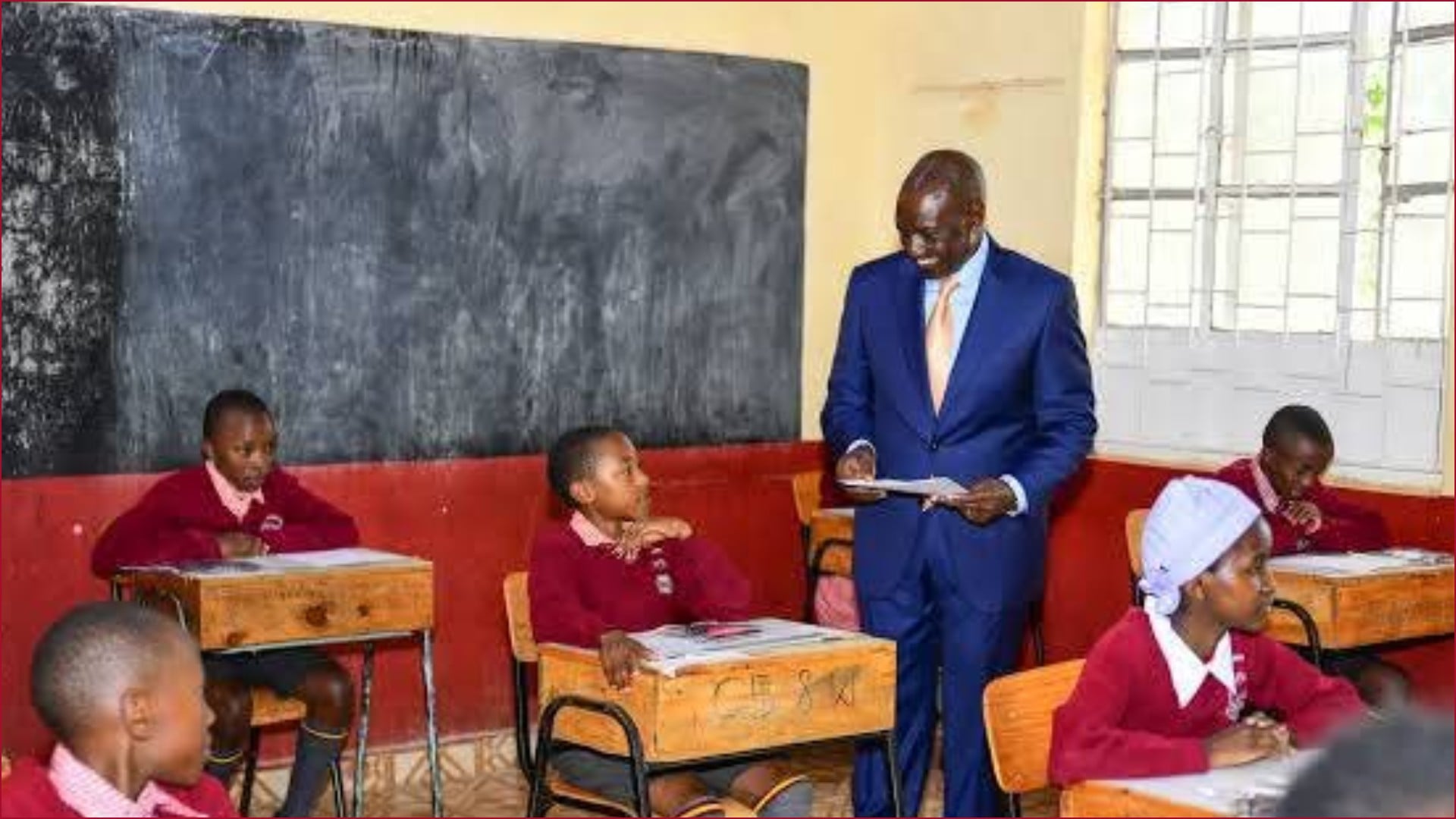
President William Ruto has revealed the government's plan to increase the education budget in the second last fiscal year of his first term.
Speaking on Saturday, May 9, while attending the 120th anniversary celebrations of Maseno School in Kisumu County, the president noted that education is among the key sectors his regime is keen to invest in.
The investment, he said, is epitomised by the huge amounts of money pumped into the sector every year.
He said the budget will be elevated to Ksh767 billion in the 2026/27 fiscal year, up from Ksh702 billion in the current financial year.
"We have consistently given priority to the education sector in our national budget. Today, nearly 30% of our budget is allocated to education, one of the highest commitments on the continent. The education budget has grown from Ksh500 billion in 2022 to Ksh702 billion in the current financial year, and will further rise to Ksh767 billion in the 2026/2027 financial year," he said.
Read More

Ruto explained that the additional Ksh65 billion will be channelled into building classrooms, employing more teachers, and improving and equipping such learning infrastructures as laboratories.
He took pride in the achievements thus far, including the construction of more than 23,000 classrooms across the country, the current building of 1,600 laboratories, particularly in areas where access to modern science infrastructure has historically been limited, and the employment of more than 100,000 teachers within three years.
The budget will hive off at least 16% of the Ksh4.7 trillion budget the government is projecting in the coming financial year.
The Finance Bill 2026, published on May 5, is currently before parliament for all the requisite stages before the new Finance Act.
The bill has introduced significant tax measures targeting such items as mitumba, fruit juices, scrap metal, and more.
It also reshapes the traditional tax filing calendar, setting April as the new deadline for income earners and January for those submitting Nil returns.
In addition, foreign nationals will be subject to rental income tax on property earnings within Kenya should the proposals in the bill be adopted.
-1782551352.jpg)
-1782549988.jpg)