A group of landowners from Kangemi and Dagoretti have petitioned Parliament to halt ongoing activities under the Nairobi Rivers Basin Regeneration Project, arguing that their concerns over land ownership, compensation, and public participation have not been adequately addressed.
The matter was presented before the National Assembly Departmental Committee on Environment, Forestry and Mining on Tuesday, June 16, during a meeting with petitioners seeking intervention from lawmakers.
The petitioners, represented by Joseph Ngure and Mugo Gichenga, told MPs that the implementation of projects under the Nairobi Rivers Commission could negatively affect their property rights and livelihoods if allowed to proceed without resolving outstanding disputes.
According to the group, they are legitimate freehold landowners whose occupation of land along the Nairobi Stream and its tributaries dates back to 1959.
They maintain that they possess documents proving ownership despite multiple subdivisions having been carried out over the years.
Read More
Addressing the committee, Gichenga urged lawmakers to intervene before further works continue.
"We have proof that we are the original owners of the land, the only challenge is that several subdivisions have been done. We seek your intervention to stop this process until we are sufficiently heard and a an amicable way forward is reached," he said.
The petitioners argued that they were not properly consulted during the planning and design stages of the regeneration project.
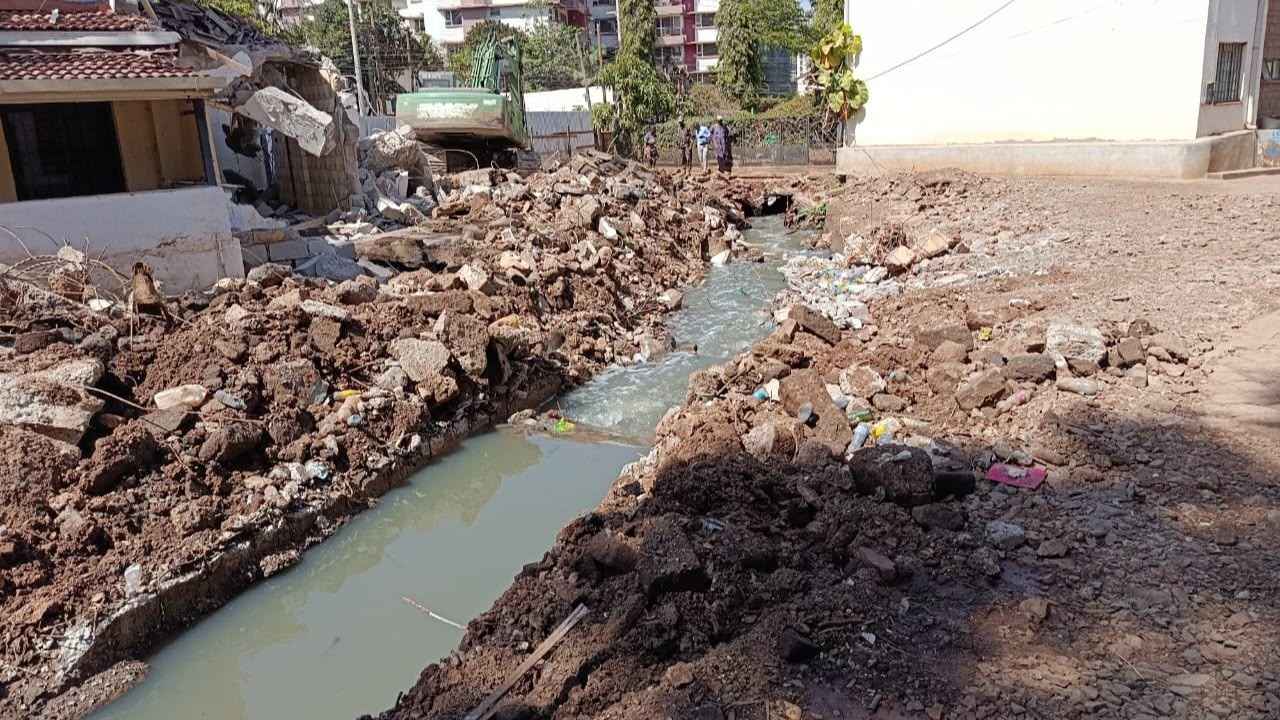
They also raised concerns about proposed dredging activities and the risk of displacement without following the legal procedures required for compulsory acquisition of private land.

Committee members questioned whether the petitioners had sought clarification from agencies involved in environmental regulation.
"The petitioners have clearly pronounced themselves on the issue at hand, but have they also consulted the relevant bodies like NEMA on this matter, what was their response?" posed Kericho Woman Representative Beatrice Kemei.
While supporting efforts to restore and protect the Nairobi Stream Basin, the landowners insisted that environmental conservation initiatives must be implemented in a way that respects constitutional protections, including property rights and the requirement for public participation.
Mbeere North MP Leo Wamuthende noted that the dispute requires further verification to determine the exact extent of the contested land and whether compensation may be warranted.
"Clearly, there is need for consultation on the actual position and ownership of this land to establish exact measurements under contention, the petitioners deserve a fair hearing and possible compensation if necessary," he stated.
Among the requests made to Parliament, the petitioners want all project activities affecting private property suspended until the dispute is resolved.
They also want assurances that no demolitions or evictions will take place without due process and that project works remain within legally recognized riparian boundaries unless changes are justified through lawful procedures and community engagement.
Committee Vice Chairperson, Baringo South MP Charles Kamuren, said the committee would conduct further investigations before making recommendations to the House.
"We shall write to NLC, Institute of Survey Kenya, NEMA, Water Resource Authority, Nairobi River Commission, the Principal Secretary, and the local administration to hear their part on this matter, before we undertake an inspection visit of the place," he statement.
This comes months after the government warned that resistance to riparian compliance in parts of Lavington and Kileleshwa is threatening the progress of the Nairobi River regeneration efforts.
In a statement on Wednesday, February 18, authorities said opposition from some upstream sections risks undermining gains already made under the multi-billion-shilling Nairobi River Regeneration Project.
Addressing the resistance, the government cautioned that the consequences extend far beyond the affected neighbourhoods.
"The success of this national restoration effort depends on collective responsibility, especially upstream. Continued resistance to riparian compliance in some upstream areas, particularly in sections of Lavington and Kileleshwa, threatens to undermine progress for millions downstream and across the broader basin, which stretches all the way to Makueni and Tsavo," the statement read.
Officials stressed that the project is not driven by political considerations but by the urgent need to safeguard public health and the environment.
"This is not about politics; it is about public health, environmental survival, and fairness. The river does not belong to one neighbourhood; it belongs to the entire country. Inaction is no longer an option. The restoration of the Nairobi River is a restoration of dignity for Kenya itself," the statement added.