Editor's Review
Mbagathi pointed to questions around what is considered a county function and what remains a national responsibility as one of the areas where implementation challenges continue.
Sixteen years after Kenya adopted the 2010 Constitution and introduced a devolved system of governance, the conversation around devolution has shifted from creating county governments to examining how effectively the system is working.
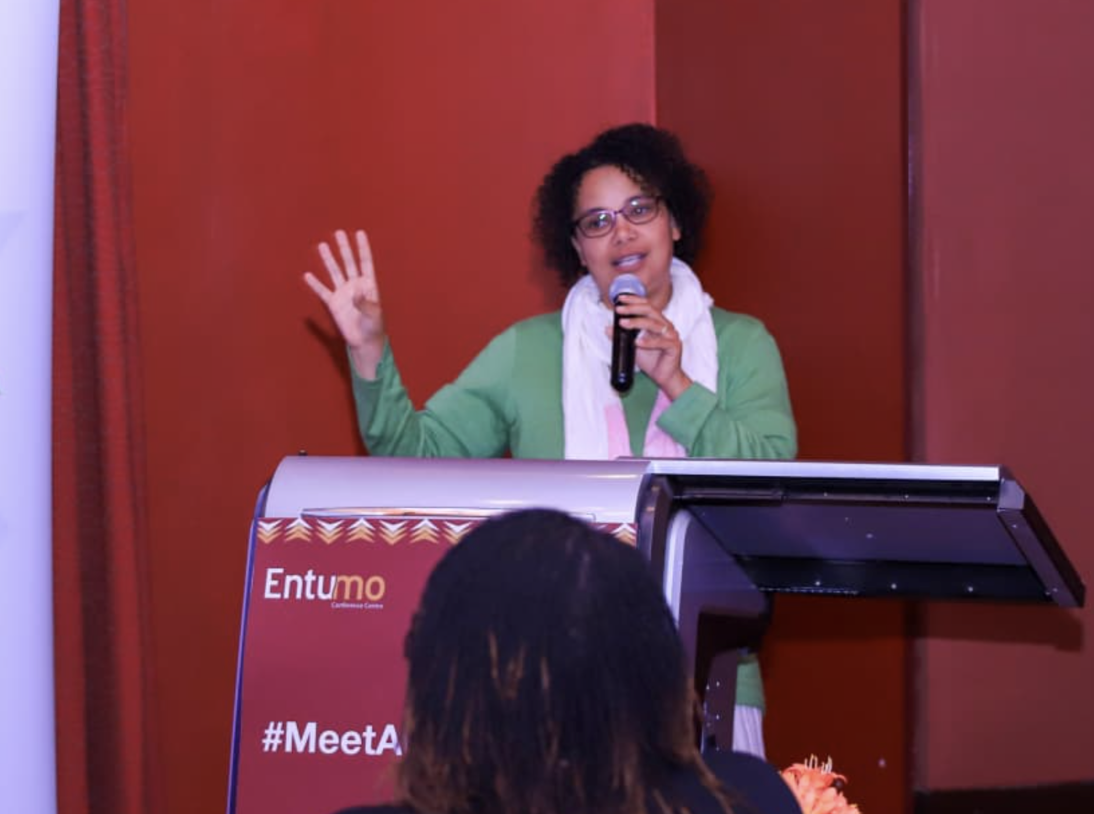
In an exclusive interview with Nairobileo.co.ke, Katiba Institute Executive Director Nora Mbagathi reflected on Kenya’s devolution journey, saying the focus should be on fully implementing the constitutional framework already in place.
Mbagathi said devolution remains central to the vision of the 2010 Constitution because it was designed to distribute power, resources and decision-making closer to citizens rather than concentrating authority at the centre.
"Kenya's introduction of devolution in the way it's now framed in the 2010 constitution really goes to the heart of what we wanted to achieve with the 2010 constitution in terms of ensuring that we have structures and systems that are set up to allow for distribution of power, distribution of wealth, bringing resources and decision making power to the people rather than holding it in a centralised government,” she opined.
Kenya’s Constitution was approved through a referendum on August 4, 2010, and promulgated on August 27, 2010. Among its major changes was the establishment of 47 county governments and a system intended to share governance responsibilities and resources between the national and county levels.
Read More
Sixteen years later, Mbagathi says Kenya’s priority should be implementation before considering major constitutional changes. She describes the Constitution as still being in an early stage of development and cautions against rushing to amend it before its provisions have been fully realised.
"The constitution is a teenager. People frequently rush to say, let's amend or let's change. And I really, truly believe we actually need to give it the time to be properly and fully implemented,” the Katiba Institute Executive Director said.
Mbagathi noted that Kenya has not fully achieved the objectives of devolution but said she does not attribute that to the Constitution itself. She said some challenges have emerged from how devolution has been interpreted and implemented, including questions around the relationship between national and county governments.
.jpeg)
In her view, discussions around devolution often focus on counties, while some challenges also relate to national government decisions, particularly on finances and the division of responsibilities.
She pointed to questions around what is considered a county function and what remains a national responsibility as one of the areas where implementation challenges continue.
Mbagathi assesses that devolution was designed to distribute power more broadly across the country, but implementation challenges have raised questions about whether authority and resources are being shared in the manner envisioned by the Constitution.
She pointed to what she described as a political desire to retain power at the centre, saying this can undermine the goals set out for devolution.
"I think what we generally can see is that politically, frequently, there is a desire to still retain a lot of power in the center. And that ultimately undermines the goals that are set out in the constitution when it comes to devolution."

Despite the challenges, Mbagathi highlighted the importance of the devolved structure created by the Constitution. She said one of the significant changes has been that areas which previously felt distant from national decision-making now have a recognised place within Kenya’s governance system.
“In terms of the wins, definitely the structure and the architecture of how that has been built and the fact that now counties that, you know, previously would have seen themselves really as being sort of on the outskirts of Kenya that really we're suffering under a centralised government that wouldn't see their needs as vital to sort of the political agenda. The fact that this is now in the very architecture of our state and nation, I think, is really valuable,” Mbagathi divulged.
Discussing lessons from other countries, Mbagathi said comparisons with other systems can be useful but should be approached carefully. She referenced federal systems such as Germany, Ethiopia and the United States, but said Kenya’s constitutional framework was developed around its own circumstances.
She told Nairobileo.co.ke that the immediate priority should be implementing Kenya’s existing constitutional provisions rather than searching for a completely different model.
"I would say our constitution in itself is really strong. And so I hesitate to say sort of let's learn, you know, elsewhere, because I actually think there are so many things that are unique to how we operate as a country in Kenya and how our constitution operates,” she said.
Mbagathi also highlighted the role of the Judiciary, civil society, the media and citizens in safeguarding constitutional provisions. She said courts have helped uphold aspects of the devolved structure, while public scrutiny remains important when questions arise over resource sharing and the exercise of constitutional powers.
She summarised the challenge facing Kenya’s devolution journey as one of implementation: "It really does come down to, can we implement, can we truly implement what we have?"