The Independent Electoral and Boundaries Commission (IEBC) has announced plans to roll out a new digital voter registration platform.
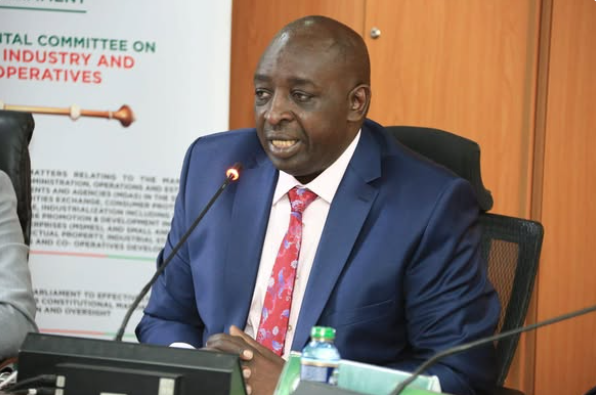
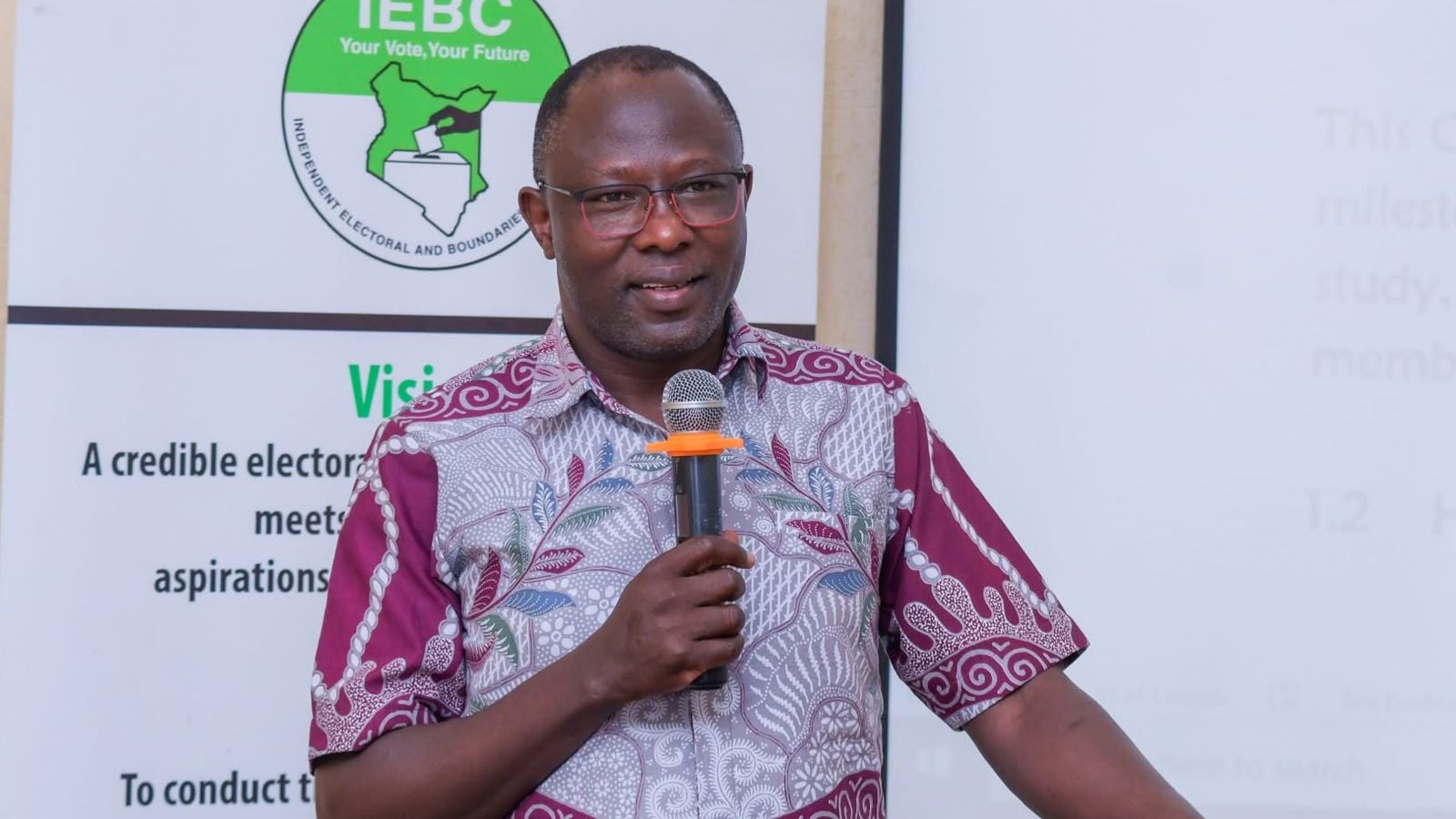
Speaking on Wednesday, February 4, IEBC Chairman Erastus Edung Ethekon said the move is aimed at simplifying the registration process and expanding access, particularly for young voters.
He explained that the new system will allow prospective voters to begin the registration process online before completing biometric verification.
"We are introducing a digital platform where now you have a link and then you have a pre-registration form; you can fill it like right there. You can fill in all your details and all you need to do is to walk into a registration center or Huduma Centre and just give your fingerprints," he stated.
Ethekon noted that the commission expects the digital approach to make registration more appealing and accessible to younger Kenyans.
Read More
"I hope that will also encourage the young people to come out and register in large numbers. We will be informing the young people once we are done with that system," he added.

Addressing concerns about the current pace of voter registration, Ethekon said IEBC is not alarmed by existing figures, pointing out that continuous registration is currently conducted at constituency level.
He added that a more aggressive nationwide drive is planned in the coming months to significantly boost the numbers.
"We are not worried because of the low numbers. Continuous voter registration is based at the constituency level. Our plan is to roll out a mass voter registration in March and through that we will set up registration centres in every village," he further said.
This comes a week after Ethekon announced that the commission cannot increase the number of constituencies during the boundary review process.
Addressing the media on Tuesday, January 27, he explained that the Constitution of Kenya sets a fixed cap of 290 constituencies.
Ethekon noted that IEBC has no authority to either increase or reduce the number of constituencies.
"We wish to inform the public that the constitution under Article 89 places a cap on the number of constituencies. Currently, Kenya has 290 constituencies, and that number, even if the commission were to conclude the boundary review ahead of the 2027 general election, we cannot increase these constituencies beyond 290, nor can we reduce them below 290," he explained.
Ethekon noted that the commission’s mandate is limited to reviewing the names of constituencies and adjusting their boundaries.
"What any boundary review process looks at is the review of constituency names and boundaries. We can change boundaries to ensure that constituencies with smaller populations can accommodate population pressure from constituencies with much larger populations," he said.
On wards, Ethekon said the Constitution grants the commission the mandate to determine the number of wards, but noted that the County Governments Act contradicts the Constitution by capping the number of wards at 1,450.
"For Wards, there is a contradiction currently, the constitution gives the commission mandate to determine the number of wards, their names and their boundaries, and it has not placed any cap, but the county governments act has capped wards at 1,450," he stated.