
Editor's Review
The government aims to raise approximately Ksh120-150 billion through the KPC IPO.
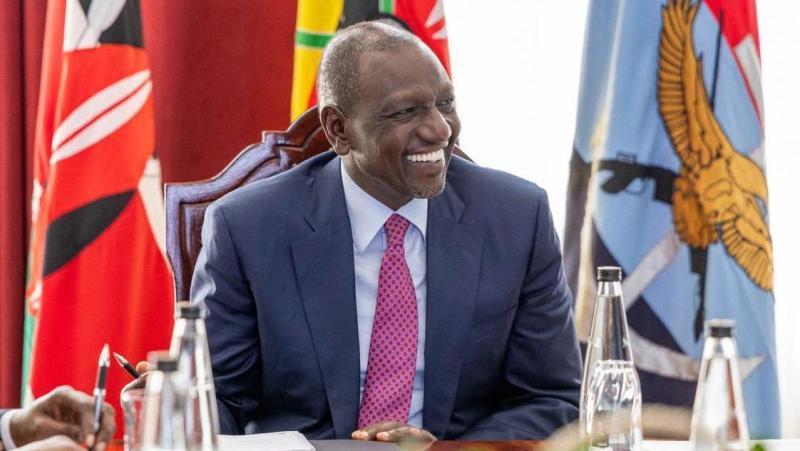
President William Ruto has revealed that proceeds from the privatisation of the Kenya Pipeline Company (KPC) will be used to build a new airport.
Speaking on Wednesday, February 04, Ruto announced that through the Initial Public Offering (IPO) of KPC, the government would be able to raise approximately Ksh120 to Ksh150 billion, which would go to the construction of the new airport.
Further, Ruto revealed that he would preside over the airport’s launch in June 2026, with the IPO seeking to sell a 65 per cent stake of KPC.
“The money that we will get from the privatisation of Kenya Pipeline and Safaricom will solely go into national infrastructure to transform Kenya,” he said.
Read More

“The first place we are going to invest, as we privatise Kenya Pipeline, is in developing a new airport. Before June, you will see me launching a new airport for the great country that is Kenya,” he added.
KPC’s IPO, which began in January 2026, is set to be overseen by the Nairobi Securities Exchange (NSE), offering shares at around Ksh9 per share.
According to the National Treasury, proceeds from the IPO will be applied within the national budget framework as seed capital for the National Infrastructure Fund, which will finance strategic projects in energy, roads, airports, water, and other key sectors.
Additionally, proceeds of the listing are set be applied to fiscal consolidation and the budget, with the privatisation process expected to be completed by March 31, 2026. However, the IPO listing is expected to run till February 19, 2026.
KPC’s listing is the largest IPO in the country’s history and Kenya’s first-ever fully electronic public offer.
Still, the push to privatise KPC has been met with resistance, with Busia Senator Okiya Omtatah filing a petition that led to the court temporarily halting the company’s privatisation. Kiharu Member of Parliament Ndindi Nyoro has also opposed the move, arguing that it is a scheme meant to defraud Kenyans.
KPC is a profitable company, with the government aiming to leverage its strong revenue figures as a way to attract investor confidence.
For instance, for the financial year ending June 30, 2025, the KPC reported revenues of Ksh38.6 billion and after-tax profits of Ksh10.37 billion, driven by its 1,300-kilometre pipeline network that delivers petroleum products nationwide and within the African continent.