
Editor's Review
Kiambu and Nairobi counties have recorded the highest number of mob justice incidents in the country, according to a new report tabled before the Senate.
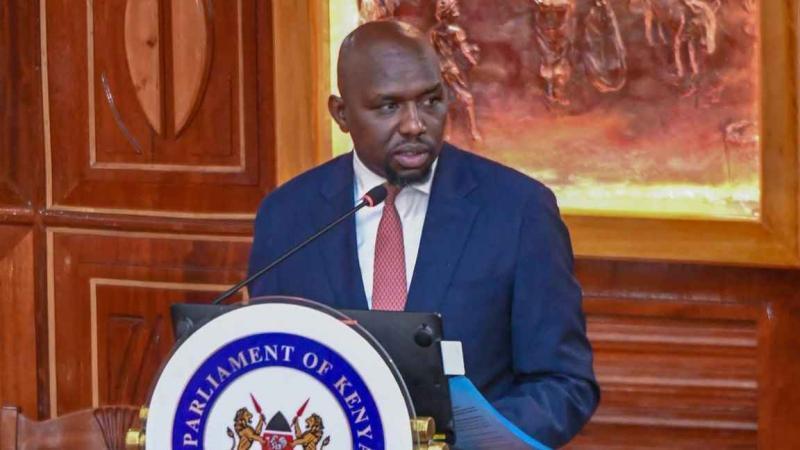
Kiambu and Nairobi counties have recorded the highest number of mob justice incidents in the country, according to a new report tabled before the Senate by Interior Cabinet Secretary Kipchumba Murkomen.
The report revealed that at least 845 mob justice cases have been reported nationwide since January, resulting in hundreds of fatalities and injuries.
According to the data presented to senators, Kiambu tops the list with 90 incidents, followed closely by Nairobi with 85.
Embu recorded 51 cases, Kisumu 45, Kirinyaga 39, Kakamega 32 and Nakuru 31. Several other counties, including Machakos (27), Kilifi (25), Nandi (24), Meru (23), and Nyeri (22), also reported significant numbers.
In total, the 845 incidents led to 579 people being fatally injured, while 266 others sustained injuries.
Read More
The figures show a worrying concentration of cases in urban and peri-urban counties. Kiambu’s 90 cases resulted in 58 fatalities and 32 injuries, while Nairobi’s 85 incidents led to 55 deaths and 30 injuries.
Embu reported 51 incidents, with 33 fatalities and 18 injuries. Kisumu recorded 45 cases, resulting in 36 deaths and 9 injuries. Nakuru registered 31 incidents with 27 fatalities, while Kakamega reported 32 cases, leading to 19 deaths and 13 injuries.
Other counties with notable fatalities include Migori (19 deaths), Siaya (18), Kisii (18), Kilifi (18), and Vihiga (20).
Smaller counties such as Marsabit, Taita Taveta and Tana River recorded one incident each, all resulting in fatalities.
In his statement to the Senate, Murkomen outlined the steps the government says it has taken to curb mob justice and strengthen law enforcement.
"The following measures have been taken to enhance police responsiveness to mob injustice incidents: encourage local communities to collaborate with police in reporting suspicious activities and preventing mob violence; deployment of police officers to respond quickly to incidents of mob injustice, especially in urban centers; use of toll-free hotlines and digital platforms to report mob violence, enabling faster police deployment; enhanced training of police officers on crowd control," he stated.
Murkomen further detailed measures aimed at strengthening investigative capacity, saying:
"The following measures have been taken to strengthening investigative capabilities of police officers: independent Policing Oversight Authority (IPOA) was established to investigate police misconduct and ensure accountability, which indirectly builds public trust and reduces reliance on mob justice; and expanded Directorate of Criminal Investigations forensic and intelligence capabilities to investigate crimes more effectively; training programs for officers on human rights, evidence collection and handling mob-related cases," he added.

On prosecution, Murkomen emphasized closer collaboration between investigative and prosecutorial arms of government.
"The following measures have been taken to facilitate Prosecution of Perpetrators: strengthened coordination with police to ensure mob justice cases are prosecuted with sufficient evidence; provides security for witnesses in mob justice cases, encouraging testimony that supports successful prosecutions; and efforts to reduce case backlogs, ensuring timely trials for mob justice perpetrators," he further said
Despite these measures, the Cabinet Secretary acknowledged growing concern over the surge in mob justice cases.
"However, concerns have been raised over the rising incidents of mob justice. Such incidents often involve violent attacks, public humiliation and in some cases fatalities before suspects can be formally investigated or prosecuted," he noted.
Murkomen said the government is intensifying public awareness efforts to discourage vigilantism and promote lawful handling of suspects.
"To address this, the Government has put in place several measures aimed at preventing mob justice and ensuring lawful handling of suspects; National Government officers are continuously sensitizing citizens on the importance of informing the police whenever they arrest suspects or when incidents occur," he said.
Murkomen also underscored the responsibility of police commanders to respond swiftly to such cases.
"The Service Standing Orders require all police stations to maintain a standby team to respond to incidents, including mob justice and it is therefore the responsibility of station commanders to ensure swift response and management of such cases," he explained.
Additionally, Murkomen highlighted the adoption of modern communication systems to improve response times.
"The Service is strengthening the use of communication technology through the Integrated Command, Control and Communication (IC3) framework to enhance quick response to incidents such as mob justice," he pointed out.
Elsewhere, this comes a week after Murkomen instructed the Inspector General of Police, Douglas Kanja, to develop a framework to deal with officers who report to work drunk.
Murkomen, who addressed questions by Members of Parliament on Thursday, February 12, admitted that drug and alcohol abuse were rampant among police officers.
He related an incident where an OCS attended a security meeting when drunk, and declared that two measures had been proposed to deal with such officers.
"In my Jukwaa la Usalama forum, there was a drunk officer. After asking the officers why they would not discourage him from attending the meeting, they said he was the OCS.
"Out of compassion, those who are addicted to alcohol are meant to be taken to rehabilitation centres. What we agreed is that the IG will develop a framework to ensure that no officer will be deployed when drunk," Murkomen stated.
However, Murkomen disclosed that the officers who undergo rehabilitation will be discharged from the service.
"If you are within the disciplined forces, you must accept that we will take you for rehabilitation, give you your dues, and discharge you," he reiterated.
 (1)-1792314340-md.jpg)
 (1)-1792314340-sm.jpg)