-1751319454.jpg)
The Kenya Wildlife Service (KWS) has issued a warning after four suspects were arrested with an estimated 2,000 kilograms of zebra meat in an intelligence-led operation in Kiambu and Nairobi counties.
In a statement on Thursday, February 26, KWS said the operation was conducted in Gikambura, Kiambu County, with follow-up enforcement at Dagoretti Market in Nairobi, leading to the recovery of large quantities of suspected bushmeat.
"KWS officers, working with a multi-agency team, carried out an intelligence-led operation targeting suspected bushmeat activities in Gikambura, Kiambu County, with follow-up enforcement at Dagoretti Market, Nairobi," the statement read.
KWS detailed the items recovered during the raid, including de-boned meat, and confirmed the arrest of four suspects.
"The operation led to the recovery of six sacks of suspected de-boned zebra meat, one fully skinned zebra carcass, and 15 frozen meat packages (≈250g each). The total consignment is estimated at approximately 2,000kg, plus 7.5kg of packaged frozen meat. Four suspects were arrested, and investigations are ongoing," the statement added.
Read More
KWS further reminded the public that hunting and trading in wildlife without proper authorization is illegal under Kenyan law.
"Kenyan law prohibits the killing, possession, transportation, or trade in wildlife without lawful authority under the Wildlife Conservation and Management Act, Cap 376. Section 131(2) of the Public Health Act, Cap 242, also bans the sale or distribution of uninspected meat intended for human consumption," the statement continued.

The agency also cautioned that consuming bushmeat obtained outside regulated systems poses significant health dangers.
"Bushmeat handled outside regulated veterinary systems poses serious public health risks, exposing handlers and consumers to zoonotic diseases through unsafe slaughter, handling, storage, and preparation," the statement concluded.
Elsewhere, this comes a month after KWS allayed fears of a possible volcanic eruption on Mt Longonot in Nakuru County.
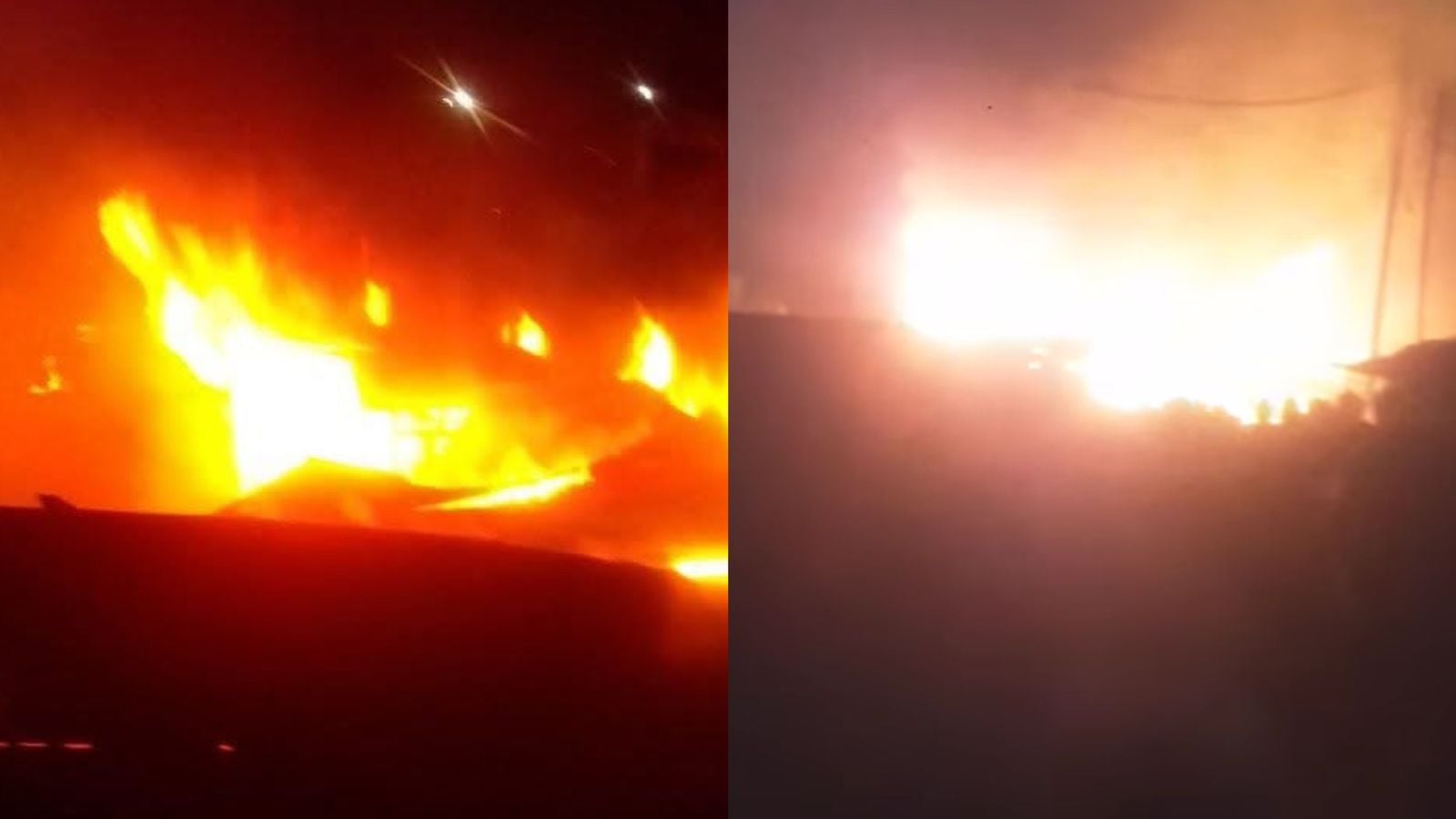
A fire broke out on January 21, 2026, with some members of the public mistaking it for a volcanic eruption.
KWS would later establish that the fire was caused by human activities.
According to the agency, the fire had caused tension after it spread to the adjoining lands, including the Longonoit National Park.
With the help of community guides and locals, KWS officers embarked on efforts to put out the fire before it could spread further.
"A wildfire broke out on 21st January 2026, originating from community land and is suspected to be linked to land-clearing activities.
"The fire spread into parts of Mt. Longonot National Park but was swiftly contained through the joint efforts of the Kenya Wildlife Service (KWS), community guides, and local community members," the agency said.
It was later clarified that the fire did not emanate from a volcano as had been believed.
"We wish to inform the public that there is no volcanic activity or eruption associated with the incident," KWS added.