Editor's Review
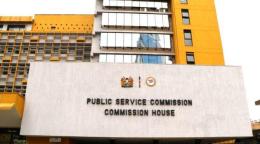
The Independent Electoral and Boundaries Commission (IEBC) has raised concerns over the resurgence of early political campaigns across the country.
The Independent Electoral and Boundaries Commission (IEBC) has raised concerns over the resurgence of early political campaigns across the country.
Speaking in an interview on Tuesday, March 24, IEBC Commissioner Alutalala Mukhwana noted that the issue of premature campaigning has already been addressed by the courts, making its continued practice unlawful.
He stressed that early campaigns compromise the ability of voters to make independent and unbiased decisions.
"In June 2025, the High Court had an opportunity to pronounce itself on the issue of early campaigns. Their verdict was simple: that early campaigns are unlawful, early campaigns deny Kenyans the freedom to make their choices in an impartial manner," he said.
Mukhwana warned that early campaigns not only tilt the playing field in favor of those who begin campaigning prematurely but also intensify the risk of hate speech.
Read More
"Early campaigns compound the problem of hate speech; they make the field unfair because when you start campaigning early, you have a head start," he added.
Mukhwana highlighted the need for stronger legal measures to address the growing challenge of early campaigning.
"Early campaigns distort the fairness in election competition and direct the Attorney General to come up with a legislative framework that will curb early campaigns," he further said.

Elsewhere, the Media Council of Kenya (MCK) has reminded media houses to implement a seven-second delay when covering live news.
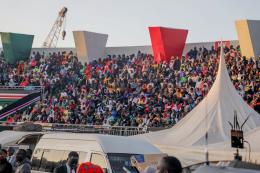
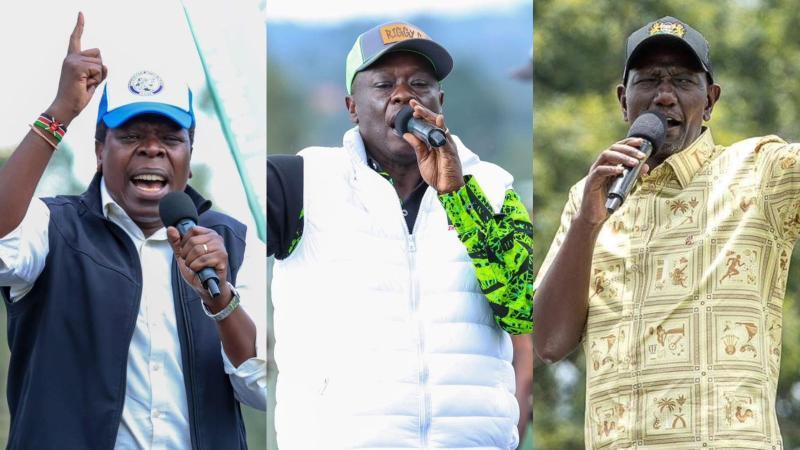
In a statement earlier Tuesday, MCK said that it had noted a rising trend in inflammatory and derogatory language by politicians during rallies, which often receive live coverage.
It explained that the live feed from rallies, if left unchecked, could undermine the practise of journalism in the country. The Council called for Clause 11 of the Code of Conduct for Media Practice in Kenya.
"Clause 11 of the Code states as follows: a mandatory delay for live broadcasts - A media enterprise shall incorporate a minimum seven-second delay in live broadcasts to prevent the unintended publication of material that violates this Code," the statement noted.
MCK explained that a well-regulated media ecosystem should uphold freedom of expression while ensuring responsibility and accountability.
The council explained that although the media sector is not responsible for utterances made at political rallies or other public gatherings, once such remarks are transmitted via a media platform, they become subject to media regulations.
"Media houses should ensure that editorial content, news items, or commentaries are not published in a manner likely to inflame passions or aggravate tensions. When reporting hate speech for public-interest purposes, offensive words must be redacted," the statement added.
It stated that despite serving public interest and promoting democracy, media houses covering the rallies live would bear legal responsibility for any litigation that arises from the clips.
"Any legal infractions arising from such content - whether hate speech or other harmful material - ultimately attract legal responsibility on the part of the platform or publisher that disseminates it," the statement further read.
Consequently, MCK reminded all media houses to remain vigilant and to take pre-emptive action to avoid breaching the Code of Ethics.