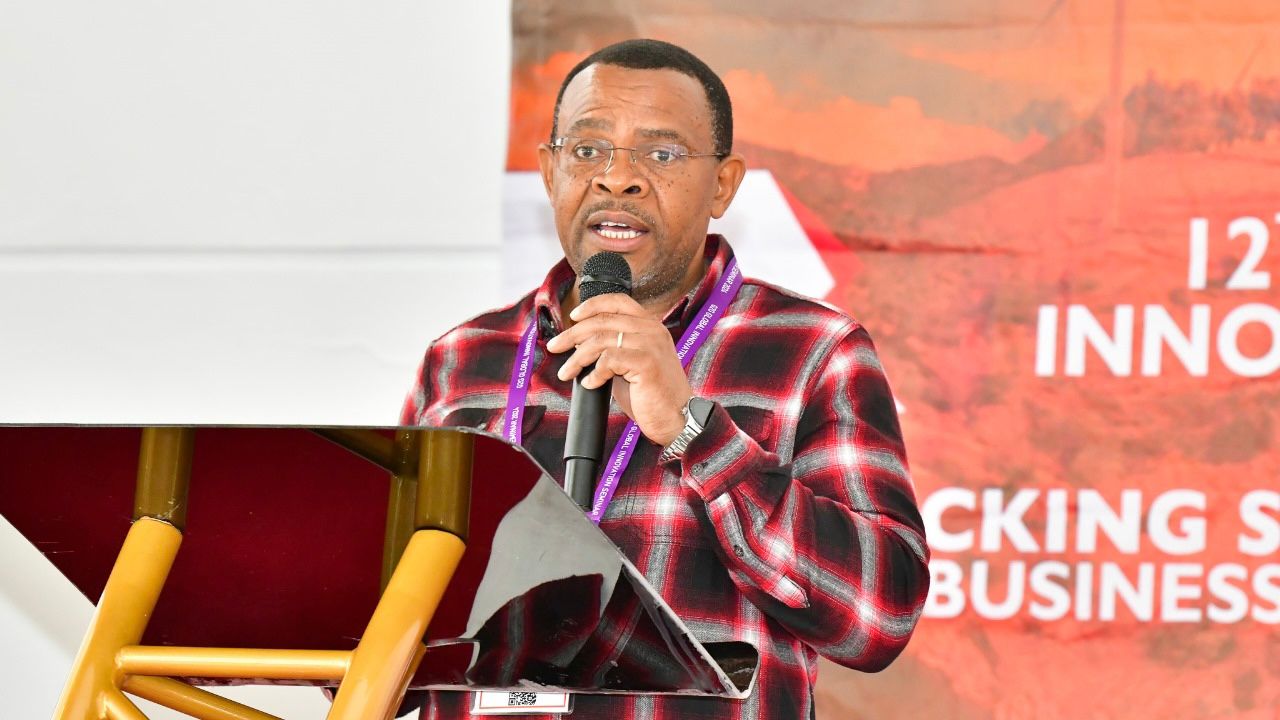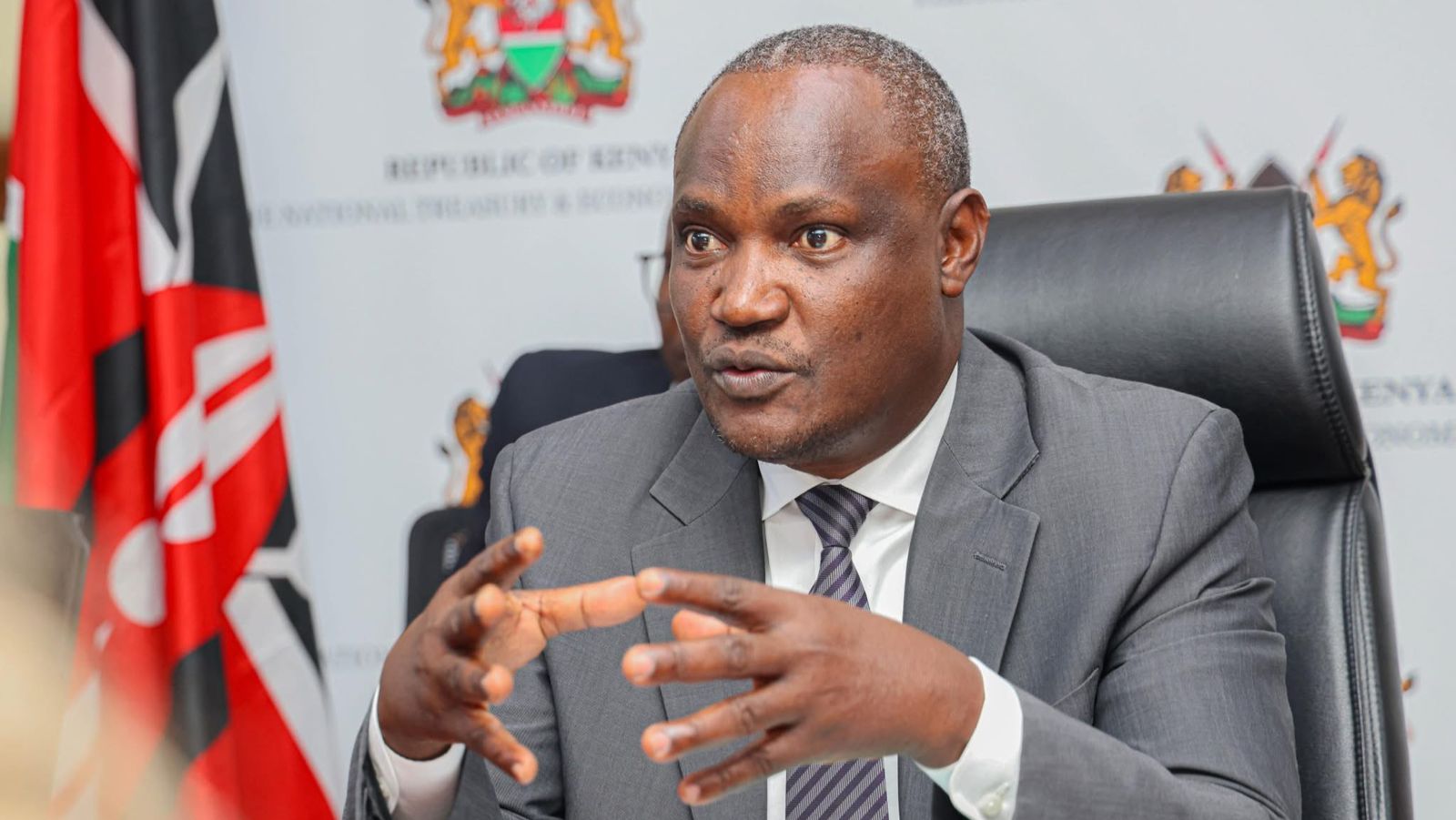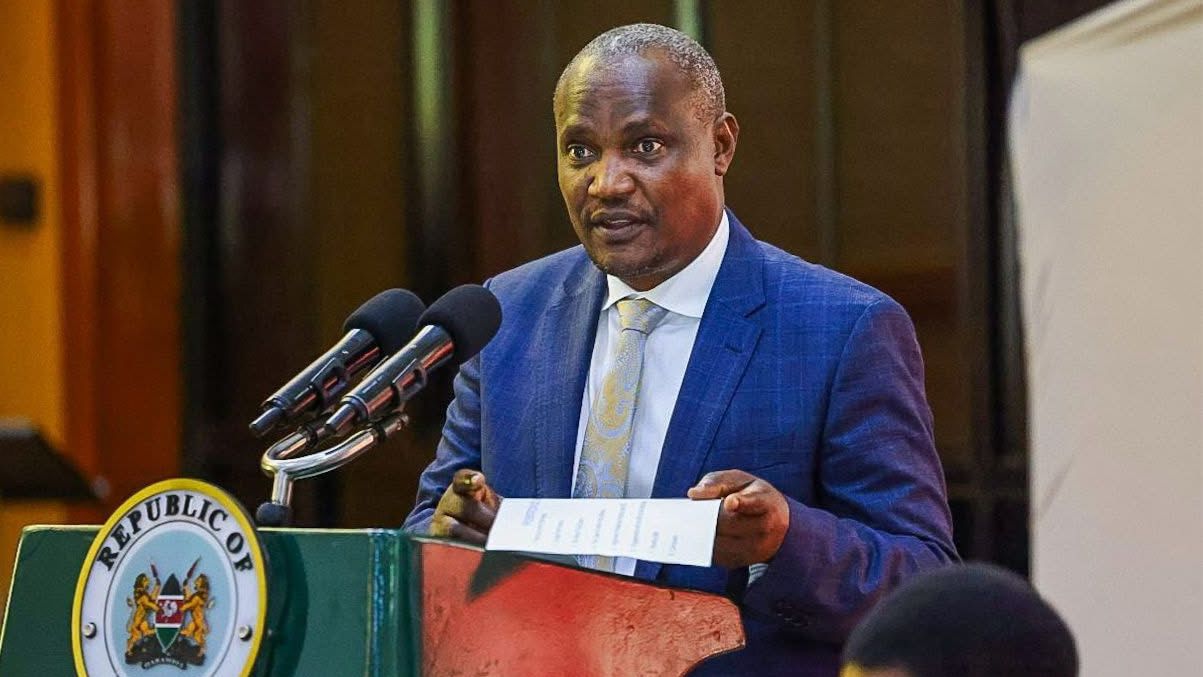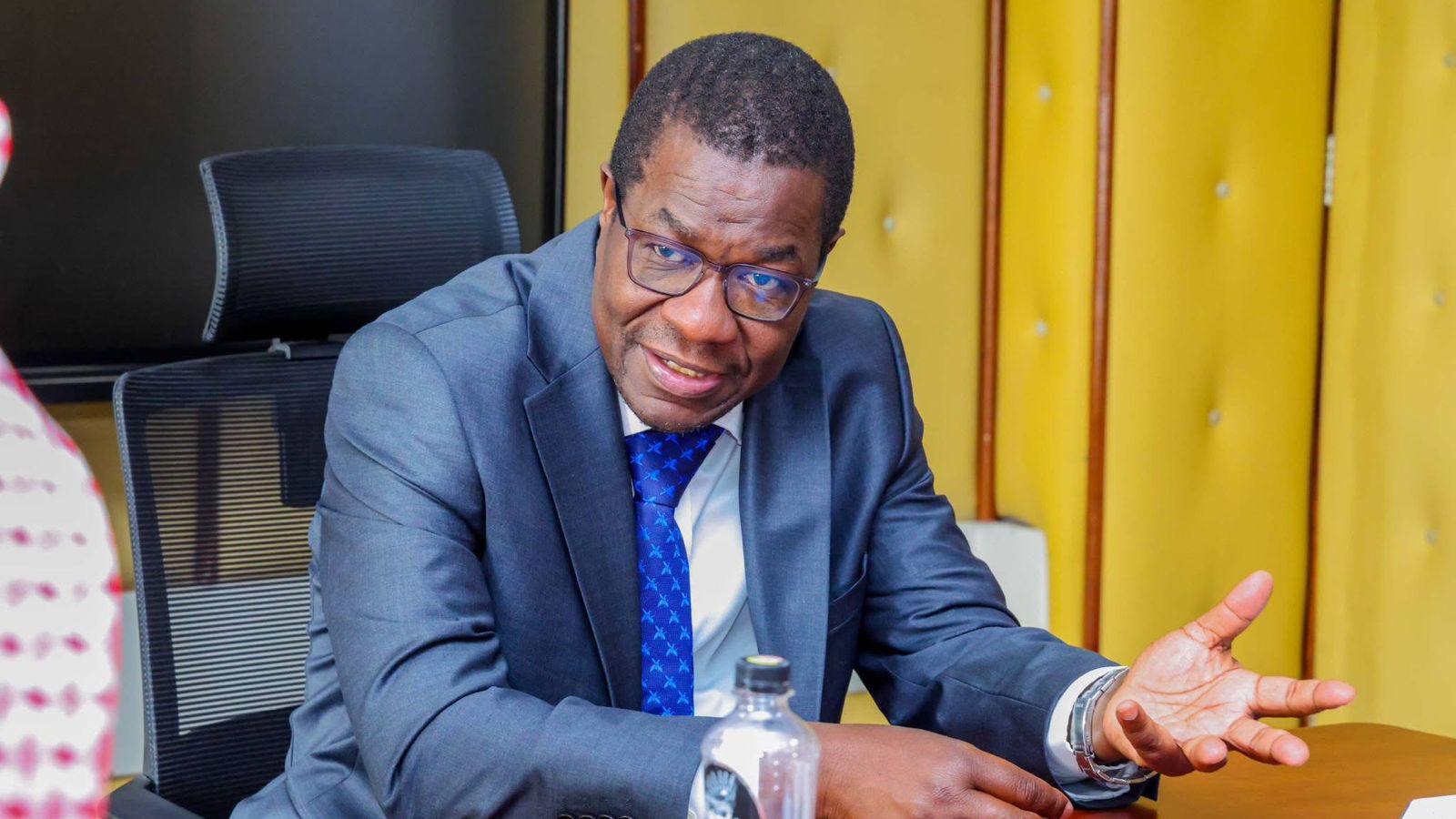
Energy Cabinet Secretary Opiyo Wandayi has broken his silence on the ongoing Ksh4.8 billion fuel import scandal, even as pressure mounts for his resignation.
In a statement on Sunday, April 5, he acknowledged the recent shake-up within the Ministry of Energy and Petroleum, which has already seen the resignation of Petroleum Principal Secretary Mohamed Liban, Energy and Petroleum Regulatory Authority (EPRA) Director General Daniel Kiptoo, and Kenya Pipeline Company (KPC) Managing Director Joe Sang.
Wandayi moved to reassure Kenyans that the government had taken decisive action to contain the situation and protect public interest amid investigations into the controversial fuel shipments.
"The government wishes to assure the public that the situation is under control. When full information about the fuel shipment that is the subject of investigations emerged, we stopped the delivery of a second cargo under similar circumstances, thus protecting and securing public interest," he said.
Wandayi further noted that the country’s fuel supply remains stable despite the unfolding controversy.
Read More
He also defended the government-to-government fuel import framework, noting that it continues to shield Kenyans from global shocks.
"We further wish to reassure the public that there are sufficient stocks of petroleum products to meet current demand. We reiterate the government's commitment to ensuring an uninterrupted supply of quality petroleum products for both Kenya and regional markets.
"The G-to-G fuel procurement framework, which has cushioned Kenyans against immediate shocks arising from the situation in the Gulf, remains stable and resilient," he added.
At the same time, Wandayi revealed that the ministry launched internal measures aimed at strengthening oversight and preventing similar issues in the future.
"The Ministry has initiated a comprehensive internal review of petroleum products management systems and processes. This measure is aimed at reinforcing transparency, safeguarding quality, and ensuring the continued integrity of the supply chain," he explained.
Wandayi added that collaboration with other agencies is ongoing to maintain stability within the sector.
"The Ministry continues to work closely with relevant agencies to maintain oversight and operational stability within the sector," he further said.

Amid growing public scrutiny and political pressure, Wandayi urged patience as investigations continue, warning against misinformation surrounding the scandal.
"We wish to appeal to the public to be patient and allow the relevant government agencies to undertake independent and professional investigations into the matters in question conclusively.
"We have noted with concern a campaign of disinformation orchestrated by a section of political leaders over this unfortunate situation," he noted.
Wandayi also issued a warning to individuals and groups seeking to exploit the situation for profit.
"The Ministry reaffirms that there will be no tolerance for cartels, profiteers, or extortionists seeking to exploit the uncertainty arising from the conflict in the Middle East for personal gain at the expense of the public," he stated.
Wandayi went on to provide specific pricing details to highlight disparities between different fuel cargoes under scrutiny.
"For record, invoices issued by One Petroleum for PMS (petrol) ex MT Paloma show a price landed in-tank Mombasa of Ksh198,855 per metric ton. Invoices issued by Gulf Energy for the G-2-G PMS ex MT FOS Mercury show a price landed in-tank Mombasa of KSh 140,111 per metric ton.
"This difference of Ksh58,744 per metric ton between the One Petroleum cargo and the G-2-G cargo works out to KSh 43.4 per liter, with the G-2-G cargo being cheaper by that amount. Both cargoes are for the month of March," he said.
Wandayi also clarified the role of companies involved in the procurement process following claims implicating Stabex International
"Again, Stabex International is not among the oil marketing companies nominated by the International Oil Companies in the G-to-G arrangement," he concluded.
Elsewhere, EPRA has appointed Dr. Eng. Joseph Oketch as its acting Director General following the resignation of former Director General Daniel Kiptoo.
In a communication on Sunday, April 5, EPRA’s board said the appointment was made in recognition of the authority’s mandate as Kenya’s regulator for the energy and petroleum sector.
Oketch currently heads EPRA’s Electricity and Renewable Energy Directorate, where he oversees the formulation, review, and monitoring of regulations, standards, and codes governing Kenya’s electricity and renewable energy sub-sectors.
He brings more than 25 years of experience in the energy industry to the role.
Before joining EPRA a decade ago, Oketch held senior positions at Kenya Power and the Rural Electrification Authority, building a strong track record in power sector management and development.
He holds a Bachelor of Science degree in Electrical Engineering from the University of Nairobi, a Master of Business Administration in Strategic Management from Kenyatta University, a Postgraduate Diploma in Project Planning and Management from the University of Nairobi, and a PhD in Strategic Management from Kenyatta University.
Oketch is also a member of the Institution of Engineers of Kenya (IEK) and the Kenya Institute of Management (KIM), and is a registered professional engineer with the Engineers Board of Kenya (EBK).
-1777443173.jpg)