The Social Health Authority (SHA) has clarified that a marriage certificate is not a requirement for accessing In Vitro Fertilisation (IVF) services under its healthcare coverage.
The issue arose after a doctor's application for pre-authorisation of IVF treatment was rejected by SHA.
The denial message reportedly listed several requirements for approval, including the submission of a marriage certificate or an affidavit.
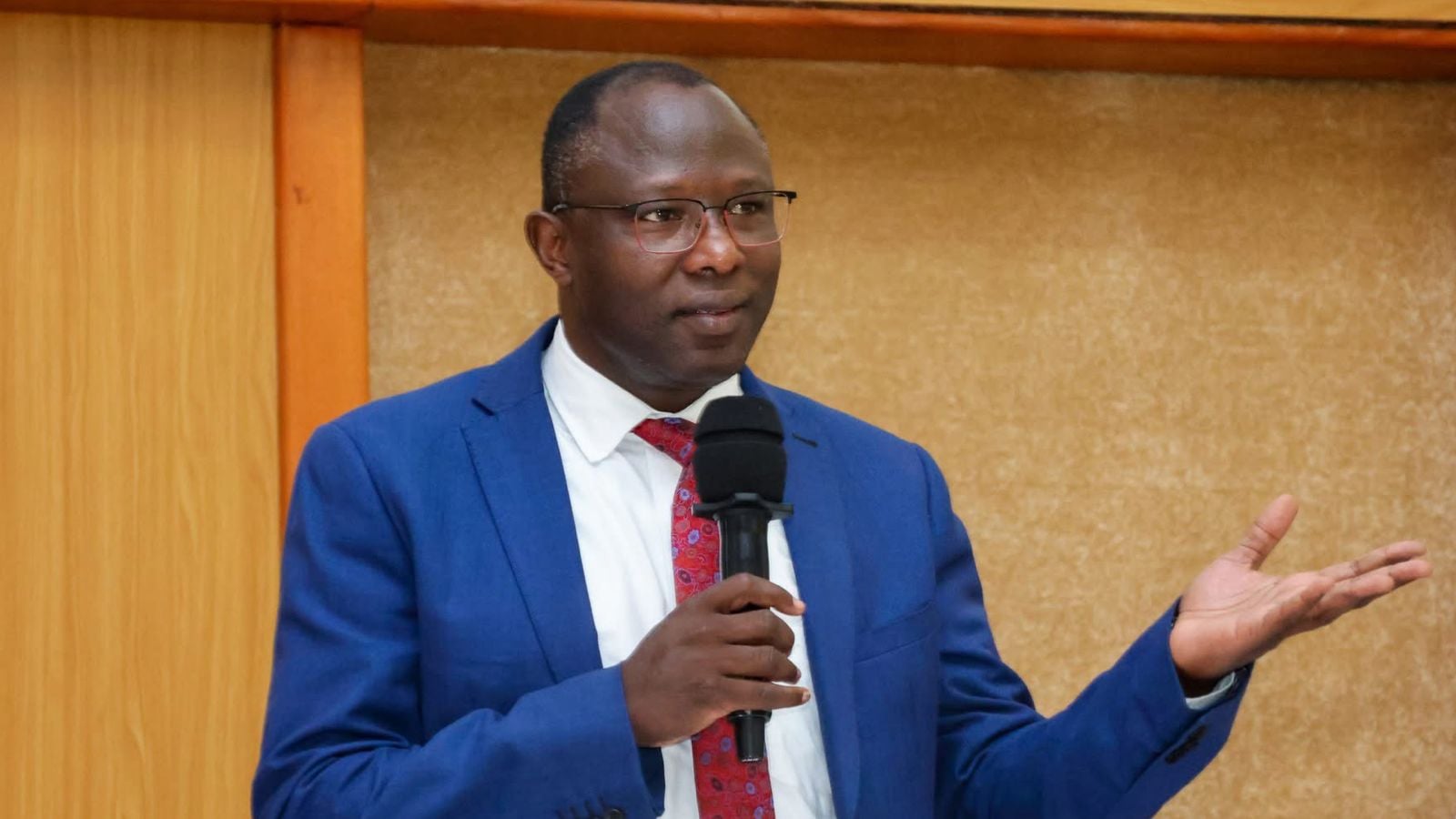
In a response on Wednesday, June 17, Health Cabinet Secretary Aden Duale said the inclusion of a marriage certificate as a requirement was a mistake and does not reflect SHA policy.
"SHA wishes to clarify that a marriage certificate is not a requirement for accessing IVF services. The reference to a marriage certificate in the communication was made in error," he said.
Read More
Duale indicated that the affected hospital should initiate the process again through the proper channels so that the request can be assessed.
"The hospital is advised to resubmit the request through the appropriate verification and preauthorization process for review," he added.

This comes over a month after the Teachers Service Commission (TSC) announced a boost to teachers’ healthcare benefits after unveiling IVF services under SHA's Mwalimu Comprehensive Cover.
In a statement on Thursday, April 30, TSC confirmed that IVF services have now been formally activated under the SHA scheme and are available to eligible teachers under the cover.
"The Teachers Service Commission (TSC) is pleased to inform all eligible members that the Social Health Authority (SHA) has formally activated In-Vitro Fertilization (IVF) services under the SHA," the statement read.
TSC announced that the service will initially be offered at The Nairobi Hospital, making it clear that access has already begun.
"This benefit is now accessible at The Nairobi West Hospital, a contracted and accredited healthcare provider under the scheme, with immediate effect," the statement added.
According to SHA, access to IVF services will be strictly limited to SHA-POMSF beneficiaries, including principal members and their lawfully declared spouses.
Applicants must meet strict medical requirements, including documented infertility defined as failure to conceive after 12 months of regular unprotected intercourse or as determined by a qualified specialist.
All cases must also be supported by a clinical diagnosis and a written recommendation from a registered specialist.
The commission has also outlined usage limits, including the maximum number of attempts allowed per beneficiary, as well as strict age restrictions for the female partner seeking treatment.
Each beneficiary will be allowed a maximum of two IVF attempts over their lifetime, while the female partner must be aged 41 years or below at the start of the treatment cycle.
Both primary and secondary infertility cases qualify, although couples seeking treatment for secondary infertility must not have any living child at the time of application.
The IVF benefit will be covered within the existing inpatient limits of the Mwalimu Comprehensive Cover, meaning all costs will be drawn from the allocated inpatient cover.