In a move aimed at boosting Kenya's economic growth and strengthening bilateral trade relations, the government has secured a near-complete zero-duty market access for its exports to China.
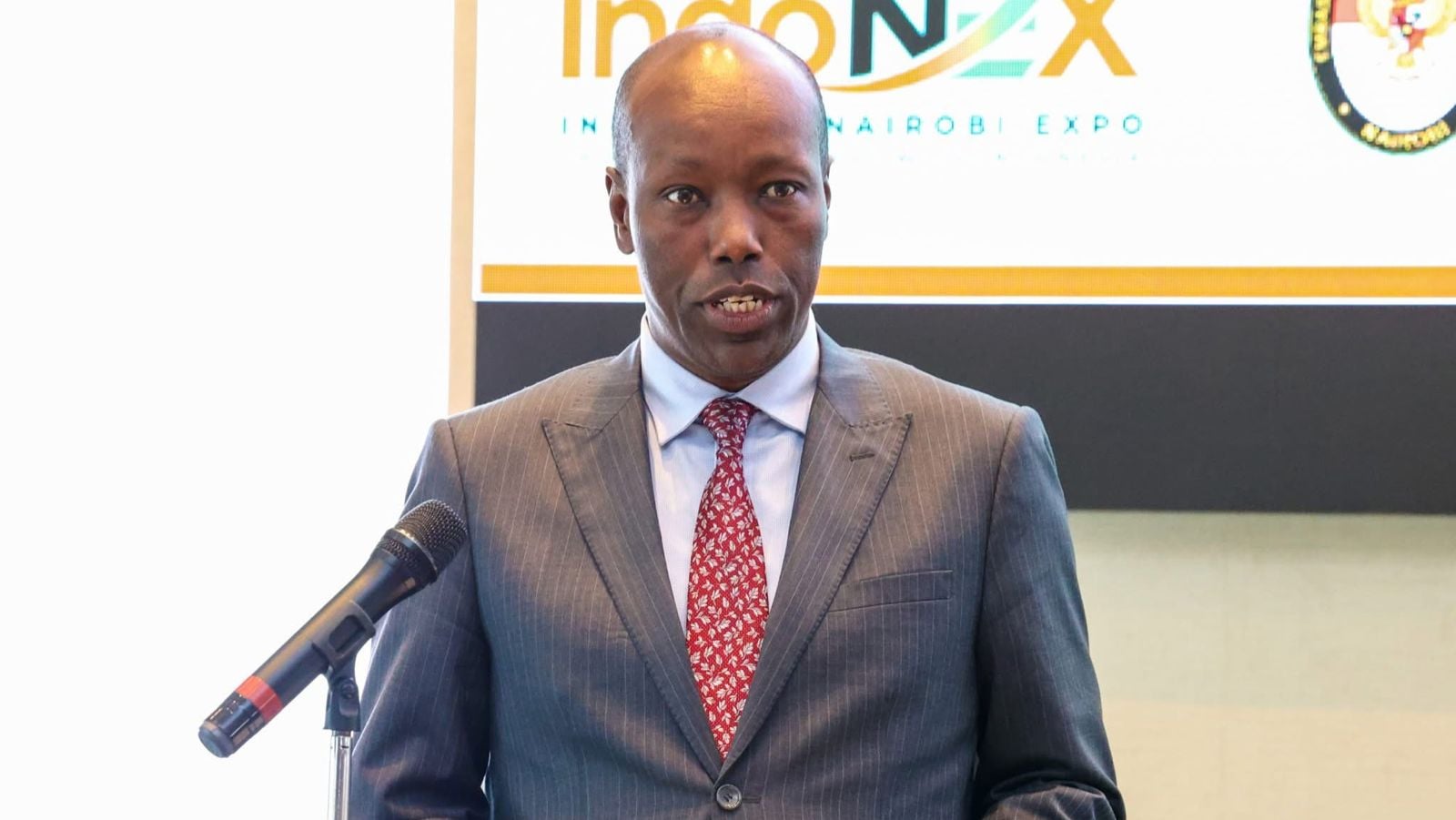
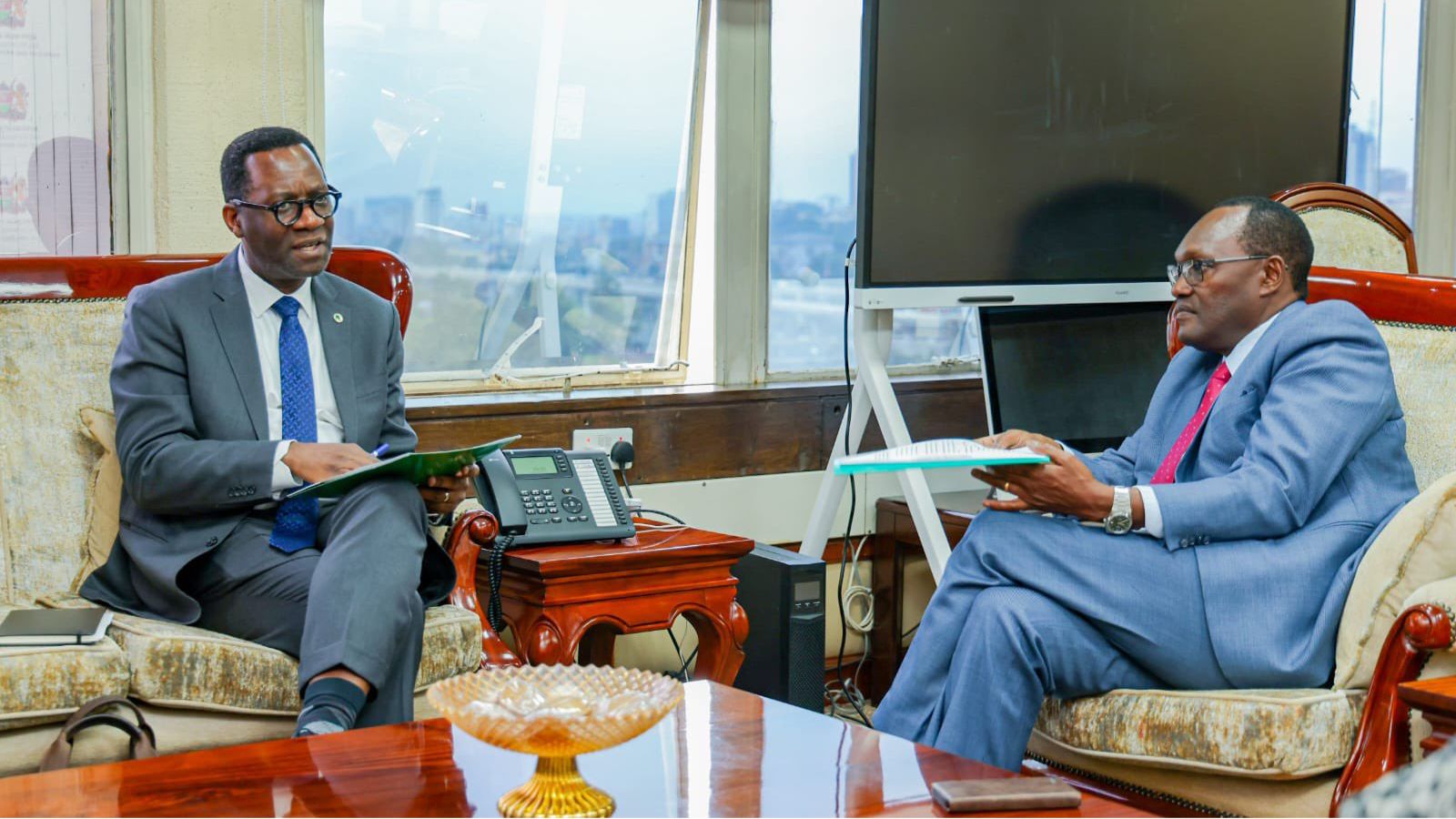
In a statement on Thursday, January 15, Investments, Trade and Industry Cabinet Secretary Lee Kinyanjui highlighted the challenges Kenya has faced in accessing Chinese markets.
"We note that recently, the Chinese government announced a duty-free and quota-free (DFQF) market access for all goods originating from Africa. However, this provision primarily benefits only the Least Developed Countries (LDCs) within Africa, leaving developing countries like Kenya at a disadvantage," he said.
To address this imbalance, Kinyanjui said Kenya engaged in negotiations with China to secure equitable trade terms.
"To mitigate this, we have initiated discussions with China to negotiate a bilateral trade agreement that aligns with the privileges enjoyed by our East African Community neighbours and other African nations," he added.
Read More
Kinyanjui confirmed that these discussions have already borne fruit, with a preliminary agreement granting Kenya 98.2% zero-duty access for its goods.
"We are pleased to share that these engagements have resulted in a preliminary agreement that allows for 98.2% zero-duty market access for Kenyan goods. This early harvest framework is a monumental progression that signifies China's commitment to strengthening our trade ties further," he continued.
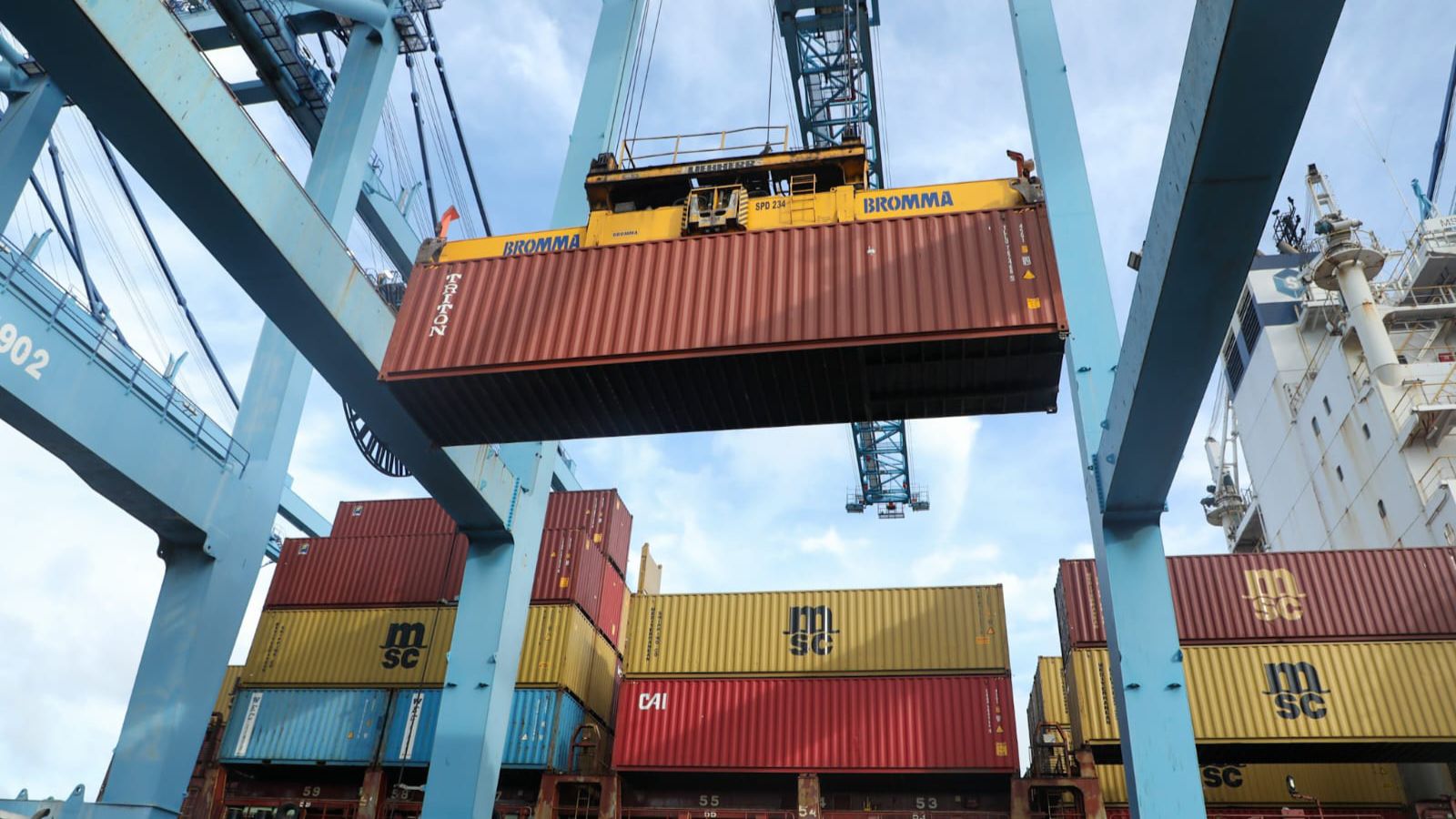
As such, Kinyanjui announced that local exporters are expected to benefit significantly, particularly in the agricultural sector.
"The introduction of zero-duty access will unlock vast economic potential for Kenyan exporters, allowing for diversification of our export basket especially in the agricultural sector which is the mainstay of our economy," he further said.

Beyond trade growth, Kinyanjui noted that the development is anticipated to create employment and bring tangible economic gains across the country.
"This development is expected to generate considerable employment opportunities and bring tangible benefits to our economy," he concluded.
Elsewhere, the United States House of Representatives has passed a bill extending the African Growth and Opportunity Act (AGOA) for three years.
In a statement on Wednesday, January 14, Kinyanjui welcomed the AGOA extension, saying it is critical for US-Africa trade relations.
Kinyanjui also said it has renewed certainty in Kenya’s textile and apparel industry, which has been operating under uncertainty in recent months.
"The United States House of Representatives has passed a Bill to extend the African Growth and Opportunity Act (AGOA) for a further three years, marking a critical milestone in U.S.–Africa trade relations.
"In Kenya, the textile and apparel industries operating within the Export Processing Zones (EPZs) employ over 80,000 people directly and an additional 250,000 indirectly. The uncertainty that had previously engulfed the sector will now give way to renewed confidence and expansion," he said.
Kinyanjui also mentioned that the government is keen to broaden Kenya’s exports under the AGOA framework beyond textiles and apparel to ensure the country fully utilizes the trade arrangement to create more jobs and income.
Further, he revealed that Kenya and the US are in discussions on a bilateral trade agreement that would cover other key sectors and cement Kenya’s long-standing partnership with the United States.
"During the recent visit by H.E. President William Ruto to Washington, D.C., Kenya’s request for enhanced market access to the U.S. was discussed.
"Kenya’s major exports to the U.S. include textiles and apparel, coffee, tea, horticultural products, and tourism services. Expanding our export basket remains a key priority and aligns with our broader strategic economic agenda," he added.


-1771737995.png)

-1772458092.jpg)
-1772456632.png)