Media practitioners have been challenged to play a more active role in strengthening people-to-people relations between Kenya and China by promoting accurate reporting, fostering mutual understanding, and facilitating meaningful dialogue between citizens of the two countries.
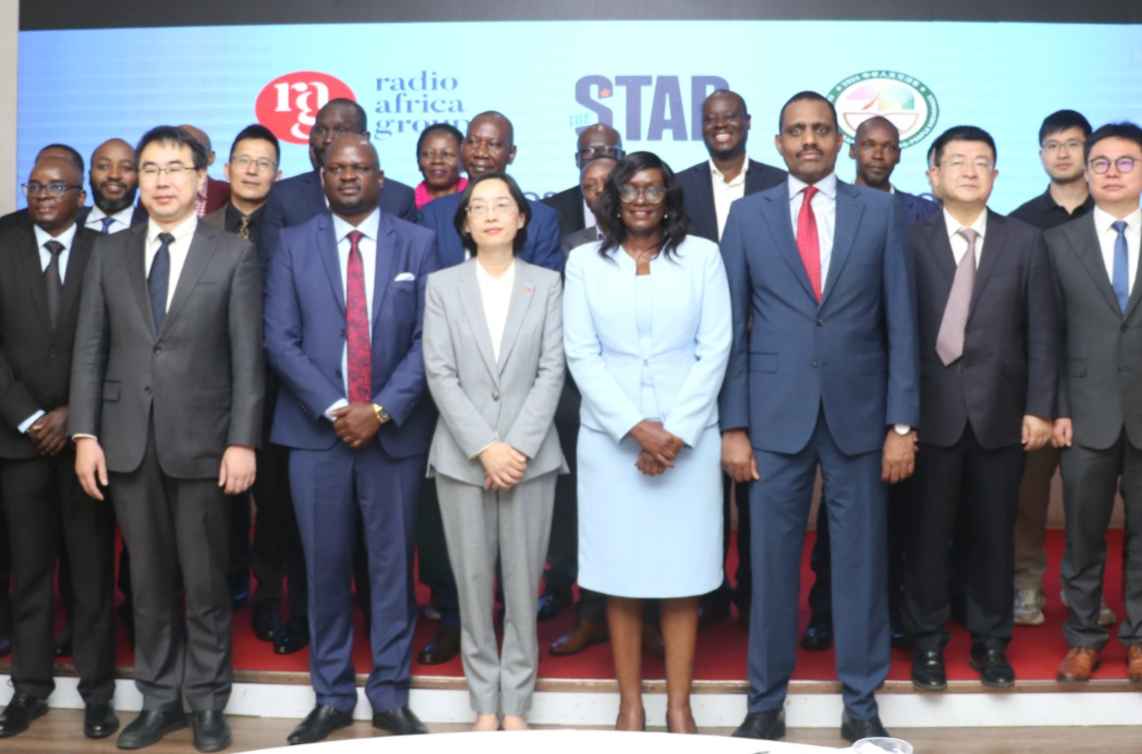
The call was made during a forum on China–Kenya people-to-people connectivity in Nairobi that brought together government officials, media leaders, and representatives of Chinese institutions.
Chinese Ambassador to Kenya Guo Haiyan said the media has evolved beyond its traditional role of disseminating information and has become a strategic tool for building national image and enhancing international cooperation.
“Media is no longer merely a tool for information dissemination, but more an important means to build a country’s image and enhance international cooperation,” she stated.
Guo noted that China and Kenya were entering a new phase of cooperation following the elevation of bilateral relations to a China–Kenya community with a shared future.
Read More
She noted that stronger media collaboration would help deepen people-to-people exchanges and counter misinformation and stereotypes.
“The media should be the honest record keeper of the China–Kenya friendship. Authenticity is the lifeline of news reporting and the bottom line that media should uphold,” she said.
According to the ambassador, the essence of China–Kenya cooperation lies in mutually beneficial outcomes that improve the well-being of citizens in both countries.
She urged journalists to tell more stories highlighting the benefits of bilateral cooperation and to strengthen cultural understanding between the two nations.
.jpg)
A representative of the President’s Unit at the Kenya-China Economic and Trade Association, Du Xiao, said future cooperation between Kenya and China would be shaped not only by infrastructure projects and trade agreements but also by trust and public perception.
“The future of Kenya–China economic cooperation will be shaped not only by the infrastructure we build together but also by the stories we tell and the trust we cultivate,” he said.
Du described the media as an active participant in development and called for innovative approaches to communication that can better address opportunities and challenges in the digital era.
Radio Africa Group Editorial Director Paul Ilado emphasized the responsibility of journalists to connect people and make international relations meaningful to ordinary citizens.
“What is our role as media in fostering people-to-people connectivity? How can we help Kenyans better understand China, and how can we help the Chinese better understand us?” he posed.
Ilado argued that journalism should go beyond official events and press releases to tell stories that reflect the experiences of ordinary people.
“Our work does not start and end with official functions. Neither does it start and end with press releases. We have to do this through what we do daily, which is telling stories and giving voice to people in society,” he said.
He noted that journalists influence how citizens perceive international partnerships and therefore have a duty to provide balanced and contextual reporting.
“The media has a duty to cover relationships between these two countries with balance, accuracy, and clear context. The people deserve to know both the opportunities and the challenges that come with those opportunities,” he said.
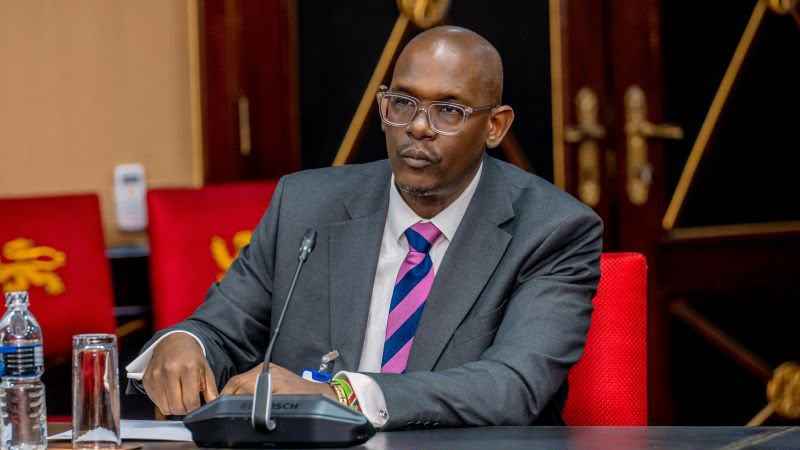
Deputy Director General for Policy, Research, and Strategic Analysis at the Ministry of Foreign and Diaspora Affairs, Mustapha Ibrahim, said media coverage plays a critical role in shaping Kenya’s image abroad and supporting public diplomacy efforts.
“How Kenya is understood internationally has a direct bearing on the investments we attract, the markets we access, and importantly, the partnerships we build,” he said.
Ibrahim cited the China–Kenya Culture and Tourism Season, which ran from June 2025 to February 2026, as an example of how media can amplify diplomatic engagement.
Through live broadcasts, content sharing, film festivals, cultural performances, and tourism campaigns, the initiative reached audiences far beyond those who attended the events physically.
“This is the multiplier effect that media brings to diplomatic exchange,” he said.
The official added that strategic communication contributes to tourism growth, trade opportunities, and investor confidence by helping foreign audiences better understand Kenya and its products.
Speakers at the forum agreed that while governments can establish formal relations, lasting partnerships depend on mutual understanding among citizens.
They emphasized that the media remains a crucial bridge between societies by informing the public, connecting communities, promoting cultural exchange, and strengthening trust between Kenya and China.

 (1)-1785053533.jpg)